

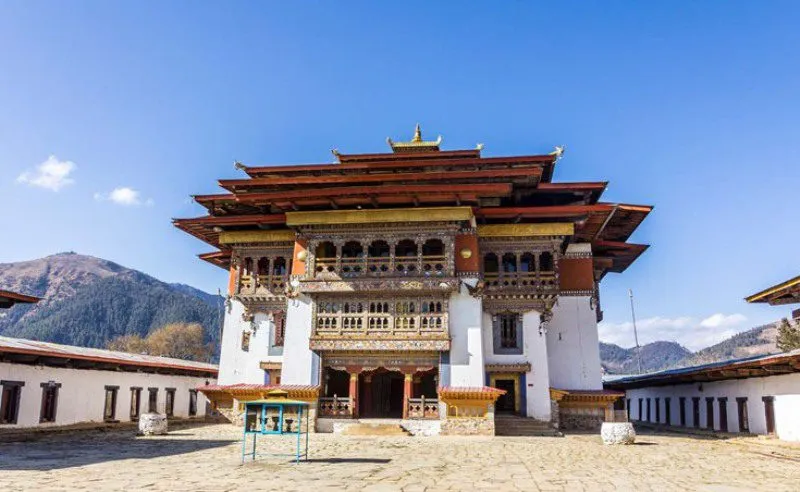


Main Highlights of 7 Days Mystical Bhutan Tour
- Visit Tiger's Nest Monastery, which is an iconic cliffside monastery, perched dramatically 900m above the sacred Paro Valley.
- Explore Thimphu, the capital; the Tashichho Dzong; the National Memorial Chorten; and vibrant weekend markets.
- Marvel at Punakha Dzong, Bhutan's most magnificent fortress monastery at the confluence of two sacred Himalayan rivers.
- Discover a hidden Haa Valley through one of Bhutan's most remote, traditionally preserved, and breathtakingly scenic mountain valleys.
- Explore Phobjikha Valley, a pristine glacial sanctuary and the winter home of the endangered sacred black-necked crane.
- Immerse yourself in Bhutanese culture by witnessing Cham mask dances, visiting farmhouses, and meeting monks practicing traditional thangka painting and wood carving.
- Explore Himalayan landscapes through pine forests, paddy terraces, and rhododendron valleys beneath towering peaks above 7,000m.
- Experience Buddhist spirituality by attending monastery morning prayers and spinning prayer wheels, and gain insight into living Vajrayana Buddhist traditions.
- Taste authentic Bhutanese cuisine, including Ema Datshi, red rice, yak butter, and farm-to-table meals rooted in organic heritage.
- Explore Bhutan guided by Gross National Happiness: sustainable, meaningful, and deeply culturally immersive travel.
Overview of Bhutan Mystical Tour
Bhutan is not a destination you visit; it is a destination that visits you back. Tucked into the Eastern Himalayas between India and Tibet, the Kingdom of Bhutan is a rare carbon-negative nation that absorbs significantly more greenhouse gases from the atmosphere than it emits.
Bhutan is the only nation that measures its prosperity through Gross National Happiness (GNH). It is also the last place on earth where ancient Buddhist culture has been preserved not as a museum exhibit but as a living, breathing way of daily life.
Monastic life remains deeply present and visible in daily Bhutanese society. Dzongs, towering fortress monasteries, still govern civic and spiritual life. Bhutanese farmers still rotate crops according to the astrology calendar. This 7-day Bhutan Tour is designed to immerse you in that reality, not simply preview it.
This 7-day Bhutan tour itinerary moves through five of Bhutan’s most distinct regions, each with its own altitude, ecology, and cultural personality: Paro Valley, Thimphu, Punakha, Gangtey, and Haa Valley.
This Bhutan Cultural Tour is crafted for culturally curious travelers who want more than photographs; they want to understand how a society functions when happiness is the national metric.
It suits mindful adventurers comfortable with moderate hiking (the Tiger's Nest trek covers roughly 10km with 400m elevation gain) and those who find meaning in quiet moments, like a monastery at dawn, a valley at dusk, or a conversation with a monk over butter tea.
This Bhutan tour equally suits solo travelers, couples, and small groups of friends or colleagues who seek shared experiences over transactional sightseeing. You do not need to be a Buddhist, a hiker, or a seasoned expedition traveler. You need only be genuinely curious.
Bhutan practices Vajrayana Buddhism, the most esoteric and ritual-rich branch of the Buddhist tradition, and its influence permeates every corner of daily life. Prayer flags strung across mountain passes carry mantras to the wind.
According to the Building Regulation of Bhutan, every building, from farmhouse to dzong, must be constructed in the traditional style. In all government buildings and public ceremonies, people wear the national dress: the gho for men and the kira for women.
Your licensed Bhutanese guide is far more than a tour coordinator; they are a cultural interpreter who will explain the symbolism above temple doors, the spiritual significance of monasteries, and why the black-necked crane is revered as a sacred messenger in Bhutanese culture.
These endangered birds migrate each winter to Phobjikha Valley, one of Bhutan’s most important conservation areas. The black-necked crane is classified as Near Threatened on the IUCN Red List and protected under Appendix I of CITES.
Bhutan requires all foreign visitors (except Indian, Bangladeshi, and Maldivian nationals) to book through a licensed Bhutanese tour operator and pay a Sustainable Development Fee (SDF), currently USD 100 per person per night.
This Bhutanese policy is the single most effective conservation measure in Himalayan tourism: it keeps crowds manageable, ensures your spending reaches local communities directly, and funds free education, healthcare, and forest preservation for Bhutanese citizens.
We fully manage every aspect of this tour, including accommodation, guiding, transport, and entry permits, on your behalf. You arrive. Bhutan takes care of the rest.
Short Itinerary
Day 01: Arrival Paro (2250m) to Thimphu (2350m)
Day 02: Thimphu to Punakha (1310m)
Day 03: Punakha (1310m) to Gangtey (Phobjikha Valley) (2320m)
Day 04: Gangtey (Phobjikha Valley) to Thimphu (2350m)
Day 05: Thimphu, Day excursion to Haa Valley (2740m) – Paro
Day 06: Paro, Hike to Taktsang Monastery, ‘Tiger’s Nest’ (3120m)
Day 07: Paro departure
