How Much Does a 12-Day Bhutan Spiritual Tour Cost?
Planning a trip to Bhutan is a unique experience. The cost of the Bhutan Spiritual Tour depends on how keen you are to explore this beautiful Himalayan kingdom.
Unlike standard holiday packages with fixed prices, every Bhutan journey is customized to your travel preferences, interests, and budget. The total cost of our Bhutan trip may vary based on several factors, including:
- Number of travelers: Private tours, family holidays, and group trips have different pricing structures.
- Accommodation choice: Select from comfortable 3-star hotels, premium 4-star stays, luxury 5-star properties, or exclusive luxury accommodations.
- Travel season and dates: Bhutan tour costs can change depending on peak seasons, festivals, and travel availability.
- Trip duration: The number of days you spend exploring Bhutan’s cultural landmarks, monasteries, valleys, and natural landscapes affects the overall cost.
- Customized experiences: Special activities, private guides, unique cultural experiences, trekking options, and personal requests can influence your final package price.
Since every traveller has different expectations, we do not offer fixed prices for our Bhutan tour packages. Instead, our Bhutan travel experts create a personalized itinerary and detailed quotation based on your requirements, ensuring you receive the best value for your journey.
Just share your preferred travel dates, group size, accommodation preferences, and travel interests with us. We will design a customized itinerary with a transparent cost breakdown and no obligation to book.
Request Your Personalized Bhutan Quote Today
📧 Email: info@tourinbhutan.com
💬 WhatsApp: +1 401 328 1478
📞 Phone: +1 401 328 1478
What Travelers Love About Bhutan
Bhutan is unlike anywhere else on Earth. Travelers who come here often leave with something harder to name than memories: a quietness that follows them home, a shift in how they measure a good day.
What visitors consistently speak about is not the sights but the feeling: clean air, unhurried valleys, monasteries where time moves differently, and a people whose warmth feels entirely unperformed.
The hike to Tiger's Nest draws many here, and it delivers. Challenging enough to feel earned and rewarding enough to stay with you for years, the view from the top and the silence at the monastery are things travelers describe long after they return.
But it is the country itself that leaves the deepest impression. It is a place where people take happiness seriously as a measure of success. The forests cover the land as far as the eye can see.
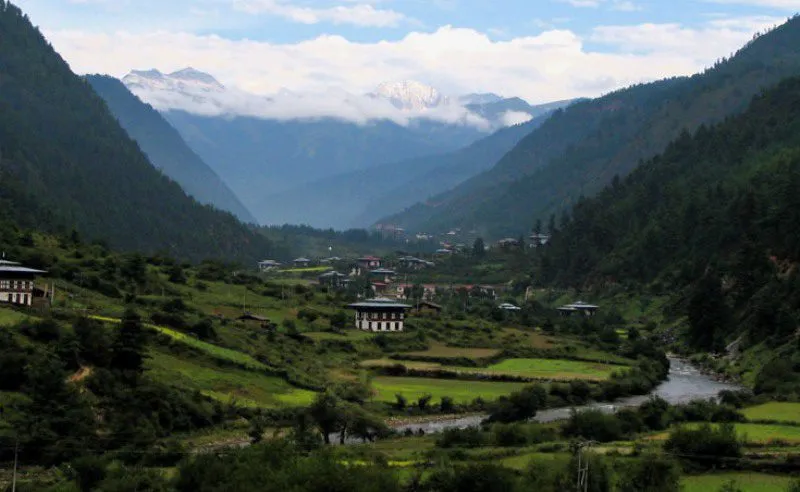
Where doors are left open, and nothing goes missing. Where the landscapes are vast, unspoiled, and utterly Himalayan, one traveler called it a visual treat not to be missed in a lifetime.
One traveler, Megha H.T., writing on Quora, captured it simply: "As the last kingdom of the Himalayas, Bhutan offers you immensely beautiful landscapes that you should not miss in life.
The country has no thieves; it is completely theft-free. A place where success is measured in happiness. Visiting Bhutan is worth it and an absolute bliss."
Best Time for Bhutan Spiritual Trip
The best time to experience this Bhutan spiritual holiday is during spring (March to May) and autumn (September to November).
In spring, the hills come alive with blooming rhododendrons, mild temperatures, and clear skies, creating a beautiful and comfortable atmosphere for visiting sacred sites and hiking to Tiger’s Nest.
Autumn offers the clearest views of the Himalayan mountains, pleasant weather, and colorful harvest scenes across the valleys, making it ideal for peaceful reflection and spiritual journeys.
Winter (December to February) is also a wonderful option for those seeking solitude. Although it is colder, the valleys remain uncrowded, Tiger’s Nest and most monasteries stay accessible, and you can witness the graceful black-necked cranes in Phobjikha Valley.
The monsoon season (June to August) brings lush greenery, but it is not recommended for this tour due to frequent rains and challenging road conditions.
For the most comfortable and spiritually enriching experience, we highly recommend traveling between March and May or September and November.
Recommended Gear & Personal Items
The following items are not essential but can enhance your comfort and overall travel experience while exploring Bhutan's valleys, monasteries, and mountain landscapes.
- Trekking Poles: Helpful for the hike to Tiger's Nest Monastery and uneven mountain trails.
- Binoculars: Ideal for wildlife viewing, birdwatching, and enjoying distant Himalayan panoramas.
- Camera or Smartphone with Extra Storage: Perfect for capturing Bhutan's monasteries, festivals, landscapes, and cultural experiences.
- Power Bank: Useful during long scenic drives and full days of sightseeing.
- Universal Travel Adapter: Recommended for charging electronic devices throughout your journey.
- Lip Balm and Moisturizer: Helpful during Bhutan's dry mountain climate.
- Small Daypack: Convenient for carrying water, cameras, snacks, and personal belongings during excursions.
- Travel Journal or Notebook: Ideal for recording reflections and memorable moments from your spiritual journey.
- Light Snacks or Energy Bars: Useful during longer drives and hiking days.
- Reading Material or E-Reader: Perfect for quiet evenings in Bhutan's peaceful valleys and lodges.
- Extra Memory Cards and Camera Batteries: Recommended for photography enthusiasts exploring Bhutan's spectacular scenery and cultural sites.
Accommodation
Accommodation on this tour is selected for location, character, and comfort, not just star ratings. The standard package uses well-run 3-star hotels and lodges throughout.
These are clean, comfortable, and well-placed close to the sites you're visiting rather than on the edge of town.
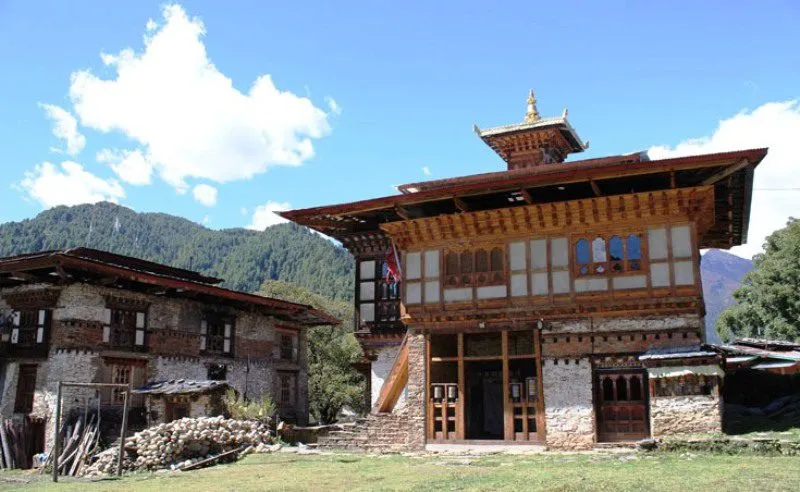
Many are built in traditional Bhutanese style, with timber interiors, valley views, and a quiet atmosphere that matches the pace of the journey.
If you want more comfort, 4-star and luxury upgrades are available across most destinations on the route.
Some properties at the higher end include spa facilities, heated floors, and rooms designed around the landscape outside the window.
These can be arranged for the whole trip or for specific nights. Punakha and Paro in particular have strong luxury options.
In smaller destinations like Ura and Tang Valley, accommodation is simpler by nature. The lodges here are locally owned, well-kept, and part of what makes those valleys feel genuine rather than touristic.
Whatever category you choose, we have visited and selected every property on this itinerary in person. Nothing is booked blindly.
Travel Tips for Bhutan
Visa and Entry
- Visa: All international visitors except Indian, Bangladeshi, and Maldivian nationals need a Bhutan visa. It is arranged through a licensed tour operator before you travel; we handle this as part of the booking.
- Sustainable Development Fee: USD 100 per person per night, mandatory for all international visitors. This fee is included in your package and funds Bhutan's free healthcare, free education, and environmental protection programs.
- Flights into Bhutan: Paro is Bhutan's only international airport. Druk Air and Bhutan Airlines fly in from Bangkok, Delhi, Kathmandu, Singapore, and a few other hubs. Seats fill quickly in peak season; book early.
Health and Altitude
- Acclimatization: The itinerary is designed to ascend gradually. You start at 2,250m and gain altitude slowly over several days. Don't rush the first 48 hours.
- Altitude symptoms: Mild headaches and tiredness are common on arrival. Drink plenty of water, skip alcohol for the first day or two, and move at a slow pace.
- Medical facilities: Basic hospitals exist in Thimphu and Paro. For anything serious, medical evacuation is the only option. Travel insurance with evacuation cover is not optional; it is required for entry into Bhutan.
- Fitness: The tour suits anyone in reasonable health. The Tiger's Nest hike is the hardest day: two to three hours uphill each way on a clear, well-used trail. Everything else is light to moderate walking.
What to Pack
- Clothing: Pack in layers. Temperatures shift significantly between valleys (Punakha is warm; Bumthang can be cold at night. A light base layer, a warm mid-layer, and a waterproof shell cover most situations.
- Footwear: Comfortable walking shoes handle most days. Bring proper hiking boots for Tiger's Nest and the Chele La Pass.
- Temple dress: Shoulders and knees covered for all monastery visits, no exceptions. Remove your shoes before entering any lhakhang or monastery interior.
- Cash: Bhutan uses the Ngultrum (BTN), pegged to the Indian rupee. ATMs work in Thimphu and Paro. Carry cash once you leave the western towns; smaller valleys have no ATMs.
- Photography: Outdoor photography is generally fine everywhere. Inside temples and monastery halls, always check with your guide first. Some interiors do not permit cameras at all.
Who Should Join This Tour
- Spiritual seekers: People drawn to Buddhism, sacred spaces, and living traditions rather than sights to tick off.
- Slow travelers: Those who want to actually feel a place rather than pass through it. This itinerary is built around depth, not distance.
- Solo travelers: The private guide format adapts entirely to one person. The pace, the conversation, and the stops are all yours.
Start Your Spiritual Journey Today
The 12-Day Bhutan Spiritual Travel is your chance to see Bhutan genuinely and purposefully in a way that a tourist never could.
Each day of this Bhutan tour is packed with sacred sites and serene natural landscapes, fully designed to help you encounter yourself amidst the culture and nature of Bhutan.
There are very few experiences in the world quite like this one, so if you're after the ultimate transformative Himalayan experience, led by one of the leading tour operators, look no further.
There are limited departures, so don’t wait to reserve your spiritual package.