
The 12-Day Gasa Hot Spring Tour in Bhutan combines the country's cultural highlights with a relaxing escape to the natural hot springs of Gasa Tsachu. Travel by private vehicle through Paro, Thimphu, Punakha, Haa Valley, and the remote Gasa region, accompanied by an experienced local guide. Along the way, enjoy scenic mountain roads, historic dzongs, traditional villages, peaceful valleys, and time to relax at Gasa Tsachu before finishing your journey with a hike to the iconic Tiger's Nest in Paro.
Explore Paro, Thimphu, Punakha, Haa Valley, and remote Gasa.
Relax at the natural thermal springs of Gasa Tsachu.
Visit historic Bhutanese landmarks, including Punakha Dzong and Paro Rinpung Dzong.
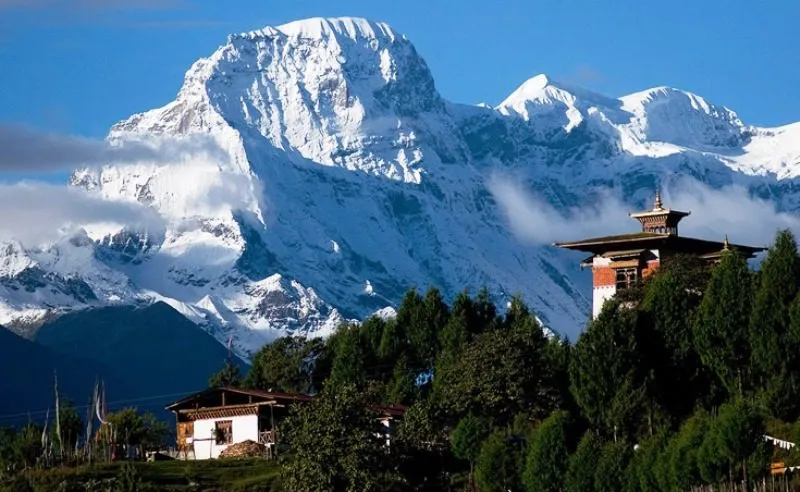
Drive through beautiful mountain landscapes, forests, valleys, and traditional villages.
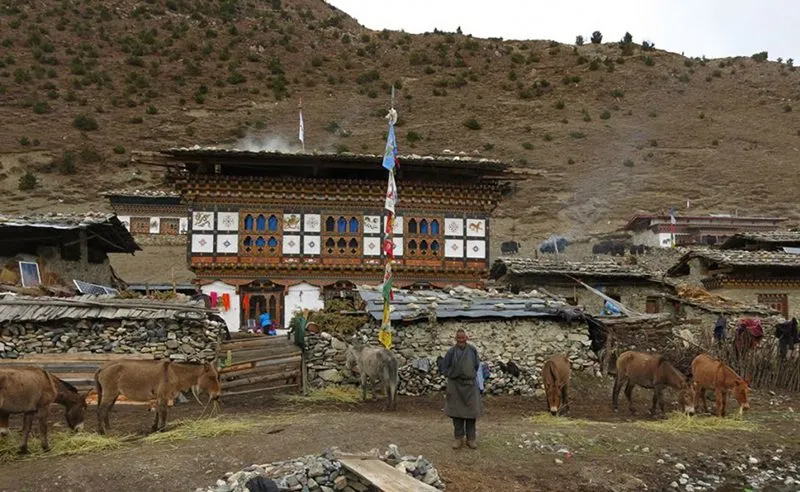
Discover the peaceful Gasa region, traditional villages, and mountain communities.
Experience Bhutanese culture, architecture, and local traditions with an experienced guide.
Enjoy a private vehicle throughout the tour for a comfortable and flexible journey.
Visit Chimi Lhakhang, Dochula Pass, and other important cultural sites.
Explore Haa Valley, one of Bhutan’s quieter and less-visited valleys.
Hike to Tiger’s Nest (Paro Taktsang), Bhutan’s most iconic monastery.
Quick Facts
Duration: 12 Days / 11 Nights
Tour Type: Private cultural and nature tour
Best Seasons: March–May and September–November
Starting Point: Paro
Ending Point: Paro
Main Destinations: Paro, Thimphu, Punakha, Gasa, Haa Valley
Transportation: Private vehicle
Accommodation: 3-star hotels and comfortable local accommodations
Main Highlight: Gasa Tsachu Hot Springs
Highest planned sightseeing elevation: Tiger's Nest (Paro Taktsang), approximately 3,120 m
Walking: Short walks and sightseeing hikes, including the Tiger’s Nest hike
Guide: Licensed Bhutanese guide
Meals: Breakfast, lunch, and dinner, as specified in the package
Visa/SDF: Applicable Bhutan visa and Sustainable Development Fee requirements apply
Overview of Gasa Hot Spring Tour
The Bhutan Gasa Hot Spring Tour is a scenic, cultural, and nature journey. It combines Bhutan’s famous landmarks with time in the remote mountains of Gasa. The journey takes you through Paro, Thimphu, Punakha, Gasa, and Haa Valley, with most travel by private vehicle and an experienced local guide. Along the way, you visit historic dzongs and monasteries, pass through traditional villages and forested mountain roads, and experience the changing landscapes of western and central Bhutan.
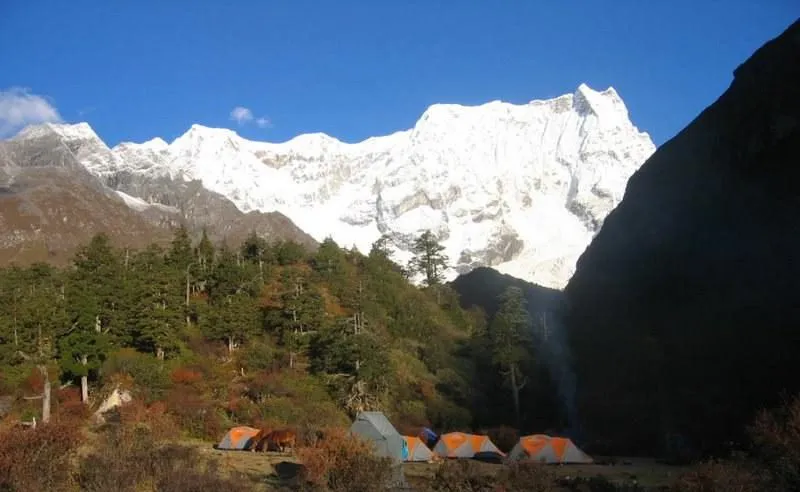
The journey gradually moves from Bhutan’s well-known cultural destinations into the quieter Gasa region, where the main highlight is Gasa Tsachu. The route travels through the Mo Chhu Valley, known in Dzongkha as the Mother River, passing ancient forests, traditional villages, and open Himalayan landscapes before arriving at the celebrated mineral springs of Gasa Tsachu.
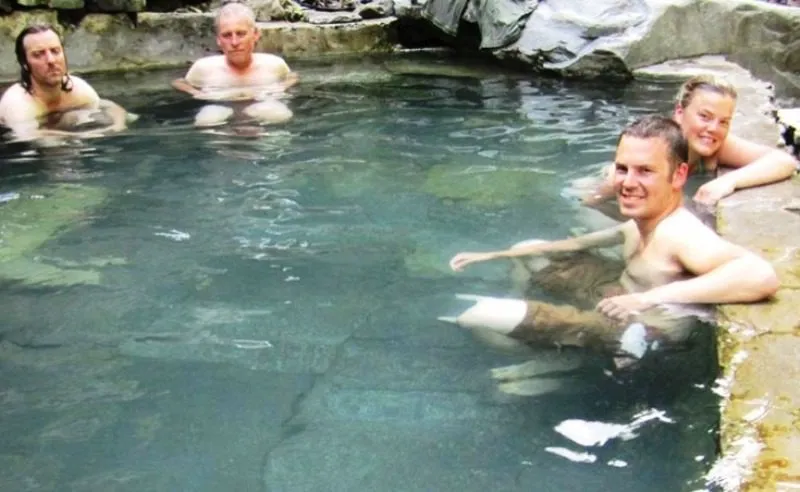
Here, you have time to slow down and relax in the natural thermal waters while surrounded by forests and mountain scenery. Staying in this remote part of Bhutan also allows you to experience a quieter side of the country, away from the main tourist routes.
According to the Gasa Dzongkhag Administration, the complex consists of ten ponds, five for women and five for men, along with two exclusive pools for VVIPs and VIPs. Each pond maintains a different water temperature and is believed to carry its own distinct healing properties, allowing visitors to choose the pool best suited to their needs.
This is not a commercialized spa experience. It is a living tradition, and sitting in those pools alongside Bhutanese families who have traveled days to be there is one of the most quietly moving experiences the kingdom has to offer.
The springs carry deep spiritual significance. Two captivating oral traditions narrate the origins of Gasa Tsachu, and the Bhutanese believe strongly in the medicinal value of the waters. Many locals come regularly to alleviate joint pain, skin ailments, and fatigue.
They come to the springs as a health ritual, a spiritual practice rooted in Bhutan’s Buddhist traditions. Arriving as a trekker, you become part of this living custom rather than a visitor looking in from outside.
After enjoying the hot springs, the journey retraces the mountain roads toward Punakha and Thimphu before taking you through the peaceful Haa Valley and back to Paro. The final major experience is the hike to Tiger’s Nest (Paro Taktsang), Bhutan’s iconic cliffside monastery.
Overall, the tour brings together Bhutanese culture, Himalayan scenery, remote mountain landscapes, traditional communities, and natural hot-spring relaxation. It is designed as a private journey with a comfortable pace, giving you time to experience each destination rather than simply travelling from one attraction to another.
Itinerary of Gasa Hot Spring Tour
Day 01
Arrival in Paro – Sightseeing
Arrive in Paro on the Bhutanese National Carrier, flying over the world’s highest mountains and finally landing in the lush green Paro valley. A cool and, clean, fresh air greets the visitor as you step down from the plane, the first gift of Bhutan.
After clearing customs and visa formalities, you will meet the representatives and the Bhutanese guide, receive a short tour briefing from the guide, and then transfer to Paro town for lunch. After lunch, visit Ta Dzong. Ta Dzong, once a watchtower, was built to defend Rinpung Dzong during inter-valley wars of the 17th century.
It was inaugurated as Bhutan’s National Museum in 1968. Afterwards, visit Rinpung Dzong. Rinpung Dzong was built in 1646 by Shabdrung Ngawang Namgyal, the first spiritual and temporal ruler of Bhutan; the Dzong continues its age-old function as the seat of the district administration, district court, and the monastic body. The southern approach to the Dzong has a traditional roofed cantilever bridge called Nemi Zam.
Overnight: Hotel in Paro
Day 02
Paro – Thimphu (2,350m) Sightseeing
After breakfast, drive towards Thimphu (the capital of Bhutan), which is about a one-and-a-half-hour drive. En route to Thimphu, one can do a short hike to Tamchog Monastery, a private temple owned by the descendants of the famous Tibetan bridge builder Thangthong Gaylpo.
Later on, continue the drive to Thimphu and visit Buddha Point for a stunning view of Thimphu city and Takin Compound. On the way to the viewpoint over Thimphu is the home of Bhutan’s national animal, the takin, a strange-looking beast that some say resembles a beestung moose.
The Bhutanese have their own story to narrate about how the Takin was created by the Master Drukpa Kuenley (the divine madman).
In Thimphu, visit Tashi Choe Dzong: The fortress of the glorious religion was initially constructed in 1641 and rebuilt by King Jigme Dorji Wangchuk in the 1960s. Visit the Folk Heritage Museum—a 300-year-old traditional house converted into a museum. (Both open Mon-Fri).
Brush shoulders with the everyday Bhutanese grocery shopping for local produce at the Centenary Farmers Market (open Fri–Sun). Also see the new authentic craft bazaar (closed on Tue) of 80 stalls showcasing works by artisans from rural areas.
Overnight at the hotel.
Day 03
Thimphu – Punakha – Sightseeing
After an early breakfast, drive towards Punakha, which is about 1 & a half hours, passing along Dochu La Pass at 3140 m. In clear weather, the pass commands a wonderful panorama of the Eastern Himalayas. From the pass, the road descends through varied forest and finally emerges into the highly cultivated valley of Punakha.
Take a short hike through beautiful rice fields to Chimmi Lhakhang, a temple dedicated to Drukpa Kuenley, who, as a favorite saint of the Bhutanese people, is known affectionately as “the Divine Madman." The temple is on a hillside in the middle of rice fields and has become a pilgrimage site for childless couples.
In the afternoon, visit Punakha Dzong. The Punakha Dzong, arguably the most impressive dzong in the country, is located at the confluence of the Pho-chu (male-river) and Mo-chu (female-river).
Overnight: Hotel in Punakha
Day 04
Punakha – Tashithang – Geon Damji
This day trip starts feeling more remote. From Punakha, the road runs through Tashithang and follows the Mo Chhu Valley up toward Geon Damji, passing through forest, small settlements, and farmland along the way. Your guide will share more about the communities and landscape you're passing through, and it's a good day for questions. By the time you reach Geon Damji, you'll be well into the Gasa region, and the evening is quiet, surrounded by nothing but nature.
Overnight: Hotel/Guesthouse in Geon Damji
Day 05
Geon Damji – Gasa Hot Spring
From here it's on to Gasa Tsachu by private vehicle, though depending on road conditions at the time, there may be a short stretch of walking involved. En route, stop at Gasa Dzong, a striking fortress set above the valley that also served historically as a defense point for the region, a fitting introduction to the area before you reach the springs. The valley narrows as you go, and the surroundings get noticeably quieter and more remote the closer you get to Gasa. Once you've checked into your accommodation, there's nothing on the agenda for the rest of the day besides relaxing. The hot springs are right there, and that's really the point of coming this far.
Day 06
Rest at Gasa Hotspring (2,240m)
You have a full day with nowhere to be. Gasa Tsachu's thermal pools are popular with Bhutanese visitors too, not just tourists, and it's easy to see why; the thermal waters and the setting make it one of the more memorable stops in the country. If soaking all day isn't quite enough, your guide can take you around the surrounding area and introduce you to a bit of local life. Otherwise, just slow down and enjoy having nowhere else to be.
Overnight: Accommodation near Gasa Hot Spring
Day 07
Gasa Hot Spring – Geon Damji
Heading back toward Geon Damji, you'll get another look at the Mo Chhu Valley, this time from the opposite direction; it's surprising how different familiar scenery looks going the other way. There's room to stop for photos or a short break if something catches your eye, and your guide usually has a few villages or viewpoints worth pointing out that you might've missed on the way in. Settle back into Geon Damji for another calm evening.
Overnight: Hotel in Geon Damji
Day 08
Geon Damji – Tashithang – Punakha
Back through Tashithang and on to Punakha, leaving the remote Gasa region behind for good. The road is scenic enough to justify a stop or two at viewpoints or villages if your schedule has room for it. Once you're back in Punakha, it's a comfortable hotel and a relaxed evening, a bit of a return to civilization after several days off the grid.
Overnight: Hotel in Punakha
Day 09
Punakha – Thimphu – Sightseeing
Back over Dochula Pass and into Thimphu, where you can spend the rest of the day as you like. The National Textile Museum is worth an hour if you're interested in Bhutanese weaving traditions, and the local markets are a pleasant spot for a wander even if you're not buying anything. Otherwise, the evening is a welcome chance to unwind; you’ve earned a traditional meal and some downtime after nine days on the move.
Overnight: Hotel in Thimphu
Day 10
Thimphu – Day excursion to Haa Valley (2740m) – Paro
Haa Valley doesn't get nearly as many visitors as the rest of Bhutan, which is precisely what makes it worth the detour. The drive over is scenic, and the valley itself is quiet, with old temples, traditional farmhouses, and a slower pace of life than you'll have seen anywhere else on the trip. Your guide can point you toward a temple or two and explain a bit about how Haa differs from the rest of the country. From there, it's on to Paro for the night, with tomorrow's big hike waiting.
Overnight: Hotel in Paro
Day 11
Paro – Hike to Taktsang Monastery (3,120m)
Early in the morning, make an excursion to Taktsang Monastery—this has to be the monastery with the most outstanding setting in Bhutan. Set on a vertical cliff face at 2950m above sea level, it defies all engineering logic. For those who are energetic, hike for 2 hours uphill to get a more dramatic view of the monastery.
(The hike demands a certain level of fitness, and a pony ride to the monastery can be arranged at an additional cost). Just on the outskirts of Paro town, visit Kyichu Lhakang, one of the oldest temples in Bhutan, and have the opportunity to meet the local villagers in a local farmhouse.
Overnight: Hotel in Paro
Day 12
Paro depart
After breakfast, drive to the Paro airport in time to catch the onward flight. Bid farewell to the remote and legendary Dragon Kingdom, which disappears again behind its guardian mountains.
The Package Includes
Airport pick-up and drop-off by private vehicle.
3-star accommodation (4 & 5 stars may require an additional premium).
Bhutan visa fee, including all necessary processing
Route Permit
Three meals per day during your stay in Bhutan
A licensed Bhutanese tour guide
All land transportation by private vehicle
Camping equipment and haulage for trekking tours
Sightseeing as per itinerary
Monuments entrance fees where applicable
Drinking water
All internal taxes and charges
A sustainable development fee of $100. (This sustainable development fee goes towards free education, free healthcare, poverty alleviation, along with the building of infrastructure.)
The Package Excludes
Airfare & Travel Insurance
Expenses of personal nature, tips to guides and drivers
Expenses occurred due to unavoidable events, i.e., road wrecks, flight delays, etc.
Frequently Asked Questions
1. What is the Bhutan Gasa Hot Spring Tour?
The Bhutan Gasa Hot Spring Tour is a private cultural and nature journey through the Mo Chhu Valley to the natural thermal springs of Gasa Tsachu. It combines Himalayan scenery, Buddhist culture, and natural hot-spring relaxation in one accessible journey.
What can I see on the Bhutan Gasa Hot Spring Tour?
You can experience Bhutanese architecture and culture in Paro, Thimphu, and Punakha; scenic mountain roads and forests; traditional villages; the peaceful Gasa region; Gasa Dzong (visited en route on Day 5); Gasa Tsachu hot springs; Haa Valley; and the iconic Tiger's Nest monastery. Wildlife sightings and festival experiences are possible depending on the season and local conditions but are not guaranteed.
3. What is the best time to visit the Gasa Hot Spring Tour?
March to May and September to November are generally favorable periods for the Bhutan Gasa Hot Spring Tour. Spring offers mild temperatures, clearer skies, and blooming rhododendrons, while autumn generally brings drier weather, excellent visibility, and clearer mountain views. September can still experience some late-monsoon rainfall, while October and November are typically more settled but progressively cooler.
4. Do I need previous trekking experience for the Gasa Hot Spring Tour?
No, previous trekking experience is not required. This is primarily a private vehicle tour with sightseeing walks and a hike to Tiger’s Nest as the main physical activity. Travelers should be comfortable with walking on uneven surfaces and climbing stairs. A reasonable level of fitness will help you enjoy the sightseeing and Tiger’s Nest hike comfortably.
5. How physically fit do I need to be for the Gasa Hot Spring Tour?
A basic to moderate level of fitness is recommended. Most of the journey is by private vehicle, with short walks at cultural sites and viewpoints. The main physical challenge is the Tiger’s Nest hike, which involves several hours of uphill and downhill walking and numerous stone steps. Travelers should be comfortable walking for several hours at a pace that suits them.
6. How do I prepare for the Bhutan Gasa Hot Spring Tour?
No specialized training is required. Regular walking, light cardiovascular exercise, and some uphill walking before your trip can help you prepare for the Tiger’s Nest hike. Bring comfortable walking shoes, sun protection, a reusable water bottle, light rain protection, and clothing suitable for changing mountain weather.
7. Is altitude sickness a risk on the Gasa Hot Spring Tour?
Altitude sickness is possible at higher elevations, but the risk on this itinerary is generally lower than on high-altitude Himalayan treks. The highest visitor elevation on this itinerary is Tiger’s Nest (Paro Taktsang), at approximately 3,120 meters. Travelers should stay hydrated, maintain a comfortable pace, get adequate rest, and tell their guide if they experience symptoms such as headache, dizziness, nausea, or unusual tiredness.
8. What are the health requirements for the Gasa Hot Spring Tour?
There are no special medical requirements stated for this itinerary, but travelers should be comfortable with regular walking and the uphill and downhill sections of the Tiger’s Nest hike. If you have a medical condition or concerns about altitude, discuss your travel plans with your doctor before departure.
9. What kind of toilet facilities are available during the Gasa Hot Spring Tour?
Toilet facilities are available at your hotels, guesthouses, restaurants, and major sightseeing stops throughout the tour. In Paro, Thimphu, and Punakha, most accommodations have private Western-style bathrooms with running water. Facilities in the remote Gasa region can be simpler, particularly around Gasa Tsachu, so travelers should be prepared for more basic toilets in some locations. During longer road journeys, your guide and driver can arrange suitable restroom stops whenever needed. Since this is a private vehicle tour rather than a camping trek, you won’t need to carry or use camping-style toilet equipment.
10. Can I do the Bhutan Gasa Hot Spring Tour solo?
Yes, solo travel is welcome. Under the applicable tourism regulations, visitors must have a licensed Bhutanese guide where required under Bhutan’s current tourism regulations. Your tour operator can arrange your guide, private vehicle, accommodation, meals, and other travel logistics for the journey.
11. When should I book, and can I extend my Bhutan Gasa Hot Spring Tour holiday?
Booking in advance allows sufficient time for visa or entry-permit processing, accommodation arrangements, and other travel logistics. You can also extend your itinerary with additional cultural visits, extra rest days, or other destinations based on your travel schedule.
Additional Trip Info
Cost of Bhutan Gasa Hot Spring Tour Package
The Gasa Hot Spring Tour is a private trip, planned around you rather than priced as a fixed package. Costs depend on your group size, travel dates, hotel category, itinerary changes, and any extra services or flight support you need within Bhutan. Every trip is arranged individually, covering visa requirements, a licensed guide, accommodation, transport, meals, and support throughout. To give you an accurate quote, we'll first talk through your dates, group size, and travel goals, then prepare a personalized itinerary with a clear cost breakdown. There's no obligation to book; reach out to our Bhutan tour specialists for a quote and start planning with confidence.
Best Season for the Gasa Hot Spring Tour
The Gasa Hot Spring Tour can be enjoyed throughout much of the year, but March to May and September to November are generally favorable periods for comfortable travel and sightseeing. Spring brings mild temperatures, clearer skies, and blooming rhododendrons across the hills, while autumn typically offers drier weather, excellent visibility, and clearer mountain views. September can still receive some rainfall from the late monsoon, whereas October and November are generally more settled but progressively cooler. Summer can be wetter, while winter brings colder temperatures, particularly at higher elevations, so travelers should plan accordingly based on their preferred weather and travel experience.
Required Permits & Fees
Travelers must complete the applicable Bhutan visa or entry-permit process based on their nationality and current entry requirements. Your tour operator can assist with the application and travel arrangements. The Sustainable Development Fee (SDF), visa fees, and other applicable charges depend on traveler nationality and Bhutan’s current regulations.
Permit / Fee
Details
Bhutan Visa
Required for eligible international travelers; requirements and fees depend on nationality
Guide License Verification
Applicable to travelers who enter Bhutan under the relevant permit system
Entry Permit
Applicable according to Bhutan’s current rates and traveler eligibility
Sustainable Development Fee (SDF)
Applicable fees are included according to the package.
Guide License
Your licensed Bhutanese guide is arranged through the tour operator.
Important: Bhutan’s visa, entry, and SDF rules can change and may differ by nationality. We will confirm the applicable fees and requirements for your travel dates when preparing your quotation.
How to Prepare for a Bhutan Gasa Hot Spring Tour
The Gasa Hot Spring Tour does not require trekking experience, but travelers should be comfortable with regular walking and uneven terrain. The main physical challenge is the Tiger’s Nest hike, which involves sustained uphill and downhill walking and many stone steps. Comfortable walking shoes, sun protection, a reusable water bottle, and light rain protection are recommended. Travelers should also allow enough time to walk at their pace and take breaks during sightseeing and the Tiger’s Nest hike.
Accommodation & Meals
Accommodation on the 12-day Bhutan Gasa Hot Spring Tour is arranged in comfortable 3-star hotels, guesthouses, and suitable local accommodations along the route. In Paro, Thimphu, and Punakha, you stay in comfortable hotels with private rooms and essential facilities. In the Gasa region, accommodation is arranged in available guesthouses or suitable local accommodations near the hot springs, subject to availability. Breakfast, lunch, and dinner are provided throughout the tour, featuring a mix of Bhutanese, Indian, and international dishes. Vegetarian and other dietary requirements can be arranged with advance notice.
Travel Insurance
Travel insurance is strongly recommended for the Bhutan Gasa Hot Spring Tour. Your policy should provide coverage for medical emergencies, hospitalization, trip interruption or cancellation, baggage loss, and emergency evacuation where applicable. Although travel insurance is not a universal entry requirement for visitors to Bhutan, having comprehensive coverage provides valuable protection during your journey, particularly when traveling through remote mountain regions. Check your policy carefully to ensure that it covers the activities and destinations included in your itinerary.
Gear & Equipment Checklist
Comfortable walking shoes or lightweight hiking shoes
Lightweight daypack for sightseeing and the Tiger’s Nest hike
Warm jacket or fleece for cool mornings and evenings
Waterproof jacket or compact rain jacket
Comfortable trousers and breathable shirts
Warm hat and light gloves for cooler days
Sunglasses and sunscreen
Reusable water bottle
Personal medications and basic first-aid supplies
Camera and portable power bank
Personal toiletries and hygiene items
Insect repellent, especially during warmer and wetter months
Small umbrella for changing weather conditions
Modest clothing for visiting monasteries, dzongs, and temples
Note: You do not need a large trekking backpack, sleeping bag, trekking poles, camping equipment, or porter services for this itinerary. Accommodation and private vehicle transportation are arranged throughout the tour.
Altitude Sickness: What to Know
The Bhutan Gasa Hot Spring Tour reaches elevations of around 3,120 meters at Tiger’s Nest, so altitude-related symptoms are possible, although the risk is generally lower than on high-altitude Himalayan treks. Most of the itinerary takes place at lower elevations, allowing travelers to adjust gradually. Common symptoms of mild altitude sickness can include headache, dizziness, nausea, unusual tiredness, reduced appetite, and disturbed sleep.
How to Reduce the Risk
Increase altitude gradually and allow your body time to adjust.
Walk at a comfortable pace and avoid overexertion.
Drink enough water throughout the day.
Eat regular, balanced meals even if your appetite is reduced.
Avoid excessive alcohol, especially during the first few days.
Ensure you obtain adequate sleep and rest when needed.
If you develop altitude-related symptoms, please inform your guide immediately.
If symptoms become severe or continue to worsen, descend to a lower elevation and seek medical assistance.
Speak with your doctor before travel if you have concerns about altitude or are considering altitude medication.
Important: There is no guaranteed way to prevent altitude sickness. Listen to your body and follow your guide’s advice throughout the journey.
Transportation
Private transport is included for your full 12-day journey. A dedicated vehicle and experienced driver handle all road transfers, including airport pick-up and drop-off in Paro, as well as transportation between Paro, Thimphu, Punakha, Gasa, Haa Valley, and other sightseeing locations included in the itinerary.
Your private vehicle remains available according to the day's itinerary, with flexibility for reasonable stops and adjustments. All vehicles are well-maintained and suited to Bhutan’s mountain roads. Private transport allows you to stop for photos, rest, and sightseeing whenever you like.
Important Notes
A licensed Bhutanese guide must accompany you throughout the tour where required under Bhutan’s current tourism regulations
Your tour arrangements should follow the applicable requirements of Bhutan's Department of Immigration and Department of Tourism.
Carry insect repellent, particularly when traveling during warmer and wetter months.
Dress modestly when visiting monasteries, dzongs, and temples.
Always ask before taking photographs of individuals.
Be realistic about your fitness level, particularly for the Tiger’s Nest hike.
Comprehensive travel insurance is strongly recommended for all travelers.
Leave no waste and follow environmental guidelines throughout the tour.
Book in advance to allow sufficient time for visa processing and other travel arrangements.
Book Your Gasa Hot Spring Tour
The Bhutan Gasa Hot Spring Tour is a rewarding cultural and nature journey, combining scenic mountain roads, traditional villages, forested mountain landscapes, historic landmarks, and the famous Gasa Tsachu hot springs into an unforgettable Bhutan experience. With seasonal travel conditions, applicable entry requirements, and carefully coordinated logistics, proper planning helps ensure a safe and enjoyable journey. Whether you are planning a private tour with friends, a relaxing Himalayan adventure, or a once-in-a-lifetime journey through Bhutan's breathtaking landscapes, our experienced Bhutan Tour team will create a personalized itinerary tailored to your interests, fitness level, and travel schedule.
Trip Reviews
[trustindex no-registration=google]
Rated Excellent by our travellers
★★★★★
"Best Bhutan Tour Operator"
"Aura Trails made our Bhutan trip absolutely unforgettable. Every detail was perfectly planned."
Sarah M.
Australia · Cultural Tour
★★★★★
"Exceeded All Expectations"
"From landing in Paro to our last day in Thimphu, everything was seamless. Highly recommend!"
James K.
USA · Trekking Tour
★★★★★
"A Dream Come True"
"The festival tour was magical. Our guide Karma was exceptional — so much local knowledge and warmth."