
8-Day Bhutan Gangtey Trongsa Tour

8 Days

Beyond the tourist trail and into valleys, fortresses, and landscapes most visitors never see. One coherent journey through the true heart of Bhutan. This meticulously crafted Bhutan Gangtey Trongsa Tour adventure reveals a different side of the Kingdom, from sacred monasteries and ancient dzongs to glacial valleys, pristine forests, and traditional villages untouched by modern life.

  • 3,120m/10,240 ft
  • March to May and September to November
  • Full board (breakfast, lunch and dinner)
  • Government approved 3 stars and Above
  • Private car, van or bus (Depends on group size)
  • Private Tour

Overview

Highlights of Bhutan Gangtey Trongsa Tour Package

  • Hike to Taktsang Monastery (3,120m), built directly into a vertical cliff above the Paro Valley

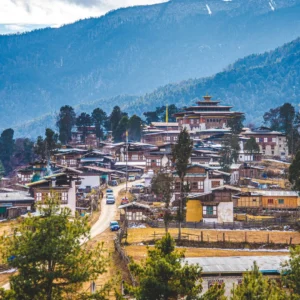
  • Walk through the wide, open Phobjikha Valley, one of the most untouched glacial valleys in Bhutan

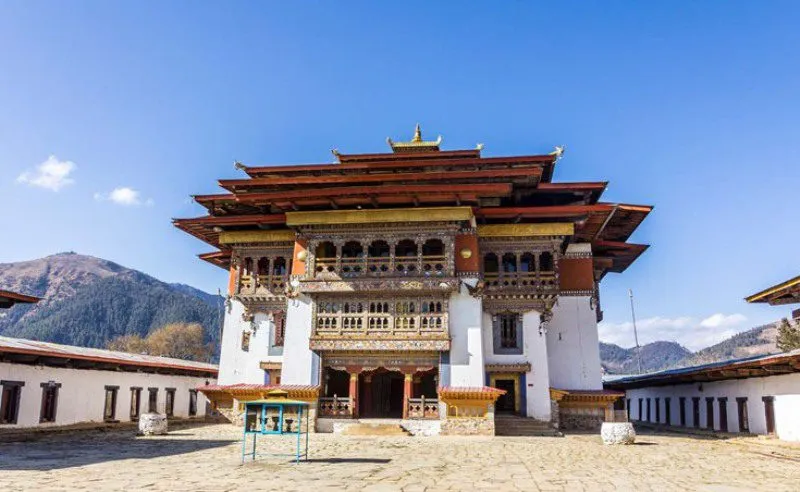
  • Visit Gangtey Monastery (Gangtey Goemba), one of Bhutan's oldest and most important Nyingma Buddhist monasteries

  • Explore Trongsa Dzong, perched on a cliff above the Mangde Chhu River gorge and commanding one of the most dramatic positions of any fortress in the Himalayas.

  • Visit Lhakhang Karpo (White Temple) and Lhakhang Nagpo (Black Temple), two ancient temples believed to be over 1,400 years old

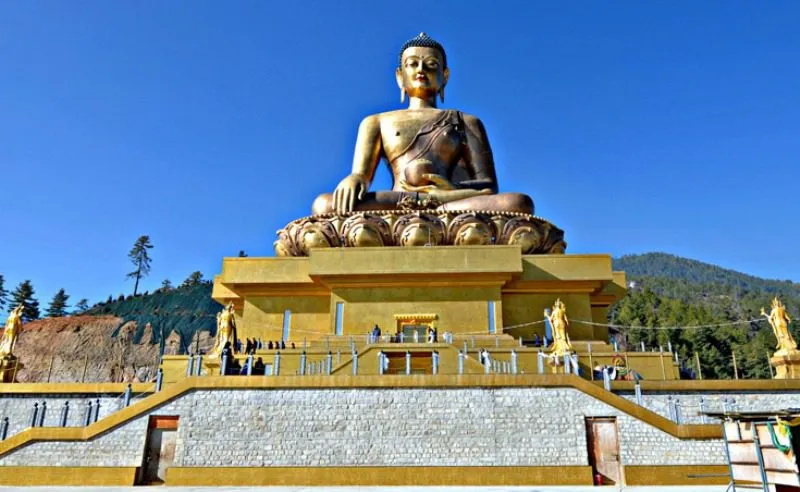
  • Visit the 51-metre gilded Buddha Dordenma, one of the largest Buddha statues in the world, overlooking the entire capital city

  • Experience Thimphu, the world’s only capital without traffic lights, rich in culture and everyday Bhutanese life

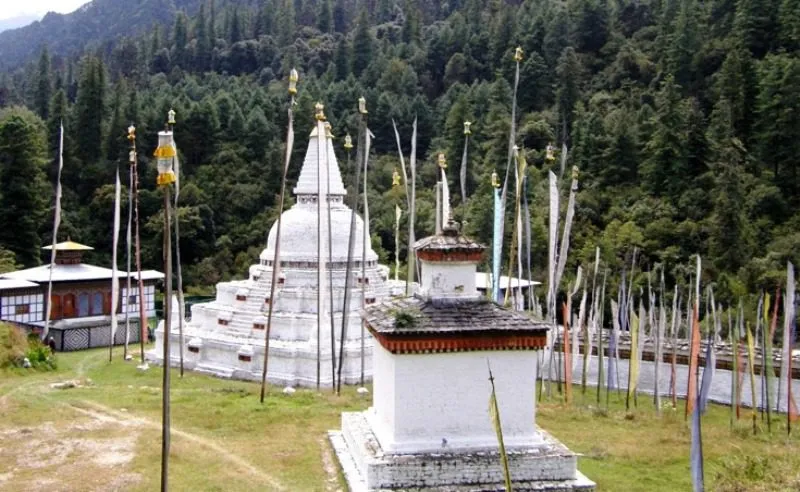
  • Cross the sacred Dochula Pass with its 108 memorial stupas and panoramic Himalayan mountain views

  • Enjoy genuine Bhutanese cuisine from ema datshi and momos to butter tea prepared fresh at every stop

  • Leave with a genuine understanding of what makes Bhutan different, not just beautiful photos, but a changed perspective 

Overview of Gangtey and Trongsa Tour

Most people who travel to Bhutan see three places: Paro, Thimphu, and Punakha. Those are beautiful, no doubt. But this Gangtey Trongsa tour goes further.

It goes deeper. It takes you to the wide, open grasslands of Gangtey Valley; the powerful royal fortress of Trongsa; and the lesser-visited Haa Valley, places that give you a real understanding of what Bhutan actually is, not just what it looks like in photographs.

Bhutan is one of the few countries in the world that has chosen people's happiness over rapid development.

Here, the law protects the forests, meticulous care preserves the culture, and life moves at a slow, intentional pace. 

When you travel through this route from the busy capital, Thimphu, down to the warm subtropical Punakha Valley, up into the high grasslands of Gangtey, across to the royal town of Trongsa, and finally into the quiet mystery of Haa Valley, you are not just sightseeing. You are watching a way of life that has survived for centuries.

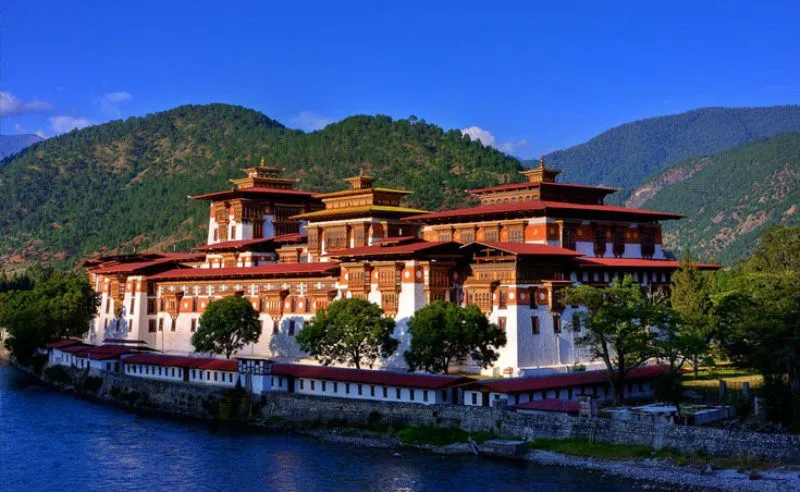
Every stop on this tour has a very distinct personality. Thimphu is modern but deeply traditional; you will find monks and smartphones side by side. Punakha is warm, lush, and home to the breathtaking Punakha Dzong, where two rivers meet at the fortress walls. 

Gangtey is wide, peaceful, and home to the rare black-necked cranes that fly in from Tibet during winter. Trongsa sits on a cliff above a deep river gorge and carries the weight of royal Bhutanese history in every stone. 

Haa Valley is perhaps the most personal stop, barely touched by tourism, green and quiet, with ancient temples that have stood for over a thousand years.

And Paro brings everything together, ending with the unforgettable hike to Tiger's Nest Monastery, clinging to a cliff 900 meters above the valley floor.

Bhutanese culture is not something you observe from a distance; it surrounds you. Dzongs (fortress monasteries) are not just historical buildings; they are active centers of governance and religion used every single day. 

Locals light butter lamps, spin prayer wheels, and walk clockwise around temples as part of their daily morning routine.

You will see such activities in every town. The foods red rice, ema datshi (cheese and chili), and butter tea are simple, warming, and deeply tied to the land. 

Wearing traditional dress called "Gho" and "Kira" is still the norm in schools and offices. Bhutan does not promote its culture to tourists. You are stepping into something that is still alive.

This tour is perfect for travelers who are curious, unhurried, and genuinely interested in culture and nature over luxury and speed. 

It suits couples, solo travelers, small families, and groups of friends who want more than just beautiful photos; they want stories to take home. You do not need to be a serious hiker. 

The Tiger's Nest hike on Day 7 is the most physically demanding part, but it is manageable for most people with a moderate level of fitness. Everything else involves gentle walks, scenic drives, and relaxed exploration.

The overall difficulty of this Bhutan Gangtey tour is moderate. Most days involve comfortable driving along mountain roads, with stops for sightseeing and short walks. 

The Tiger's Nest hike on Day 7 takes 4 to 6 hours in total; it is steep in places but well-maintained, and most healthy adults can complete it at a relaxed pace. The travel style is immersive cultural tourism.

You will stay in comfortable local hotels and guesthouses, travel by private vehicle with a licensed guide, and follow a structured but relaxed daily rhythm. 

This is not an adventure tour; it is a journey through one of the world's most extraordinary living cultures. Bhutan requires all international visitors to obtain a visa and pay a Sustainable Development Fee before arrival. All tours must be booked through a licensed Bhutanese tour operator

These regulations help protect the country's environment and culture, and they are a big reason why Bhutan remains as special as it does.

When you travel here, you are not just a tourist. You are a guest in one of the last truly untouched kingdoms on earth.

Gangtey Trongsa Tour Short Itinerary 

Day 01: Arrival Paro (2250m) to Thimphu (2350m)

Day 02: Thimphu to Punakha (1310m)

Day 03: Punakha to Gangtey (2320m)

Day 04: Gangtey to Trongsa (2200m)

Day 05: Trongsa to Wangdue (1310m)

Day 06: Wangdue to Haa Valley (3050m) – Paro (2250m)

Day 07: Paro, Hike to Taktsang Monastery, ‘Tiger’s Nest’ (3120m)

Day 08: Paro departure

Detailed Itinerary of Bhutan Gangtey Trongsa Tour

  • Day
    01

    Arrival in Paro 2,250m to transfer Thimphu 2,350m

    You land at Paro International Airport, one of the most dramatic airports in the world, surrounded by mountains and green valleys.

    After you pass through customs, your guide will welcome you and drive you to Thimphu, the capital city of Bhutan.

    On the way, you will see beautiful valleys and rivers. In Thimphu, you can visit the giant Buddha statue that sits on a hilltop and gives you a wide view of the whole city. In the evening, walk around the local market and try some Bhutanese food.

  • Day
    02

    Thimphu 2,350m to Punakha 1,310m

    Spend the morning exploring Thimphu. Visit the Tashichho Dzong, a large and beautiful fortress monastery where the King of Bhutan works.

    Also see the National Memorial Chorten, a white dome-shaped shrine where locals come to pray every day.

    After lunch, drive to Punakha through the Dochula Pass at 3,100m. Here you will find 108 white stupas and, on a clear day, amazing views of snow-covered mountains.

    Punakha is warmer and lower, so it feels very different from Thimphu.

  • Day
    03

    Punakha sightseeing to Gangtey

    In the morning, visit Punakha Dzong, the most beautiful fortress in Bhutan. It sits where two rivers meet and is covered with flowers in spring.

    You can also take a short walk to a hanging bridge over the river. After your visit, drive to Gangtey, which is a wide-open valley high in the mountains.

    This valley is very peaceful and famous for its natural beauty. The road passes through thick forests and small villages.

    When you arrive, take a gentle walk around the Phobjikha Valley and enjoy the fresh mountain air and open landscapes.

    Between October and March, rare black-necked cranes from Tibet come to rest in this valley. A beautiful sight!

  • Day
    04

    Gangtey to Trongsa

    Today, you drive through the heart of Bhutan to reach Trongsa, the historic royal hometown of Bhutan's royal family.

    The drive itself is very scenic, passing through mountain forests and small rural villages. When you arrive in Trongsa, visit the famous Trongsa Dzong, the largest dzong in Bhutan.

    It is built on a cliff overlooking a deep river gorge and looks like something from a fairy tale.

    Also visit the Ta Dzong (watchtower), which is now a museum. Here you can learn about Bhutan's royal history simply and engagingly.

  • Day
    05

    Trongsa to Wangdue Phodrang

    After breakfast, drive back west toward Wangdue Phodrang. The town sits on a ridge and has a relaxed, local feel.

    Visit the Wangdue Dzong; though it was partly damaged by fire in 2012, it is being rebuilt and is still worth seeing for its grand location.

    You can also explore the local market in Wangdue and buy traditional Bhutanese crafts and food items.

    In the evening, you can relax by the river or take a short walk through town.

    This is a calmer day after the long drivesearlier andd a good chance to rest your legs.

  • Day
    06

    Wangdue to Haa Valley (3050m) – Paro (2250m)

    Today is a special day; you head to Haa Valley, one of the least visited and most beautiful valleys in Bhutan.

    It is a quiet and deeply traditional place far from the tourist trail. The valley is green and surrounded by tall mountains, with old temples and very few visitors.

    The people here live in a basic and traditional way. You can visit the Lhakhang Karpo (White Temple) and Lhakhang Nagpo (Black Temple), two ancient temples side by side.

    After exploring Haa, drive back to Paro for your last night in Bhutan.

  • Day
    07

    Paro, Tiger's Nest Hike, Taktsang Monastery (3,120m)

    This is the most exciting day of your trip, hiking to Taktsang Monastery, known as "Tiger's Nest." This famous monastery is built into the side of a cliff, 900 meters above the Paro Valley.

    The hike takes about 2–3 hours up and 2 hours down. The path through pine forests is beautiful, and there are wonderful views as you climb higher.

    At the top, you will find a group of small temples built over a cave where the great saint Guru Rinpoche is said to have meditated. It is a magical and peaceful place. Wear comfortable shoes and bring water and snacks.

    Start early (7–8am) to avoid crowds and midday heat. The climb is moderate; most people can do it with regular fitness.

  • Day
    08

    Paro departure

    On your last morning, depending on your flight time, you may have time to visit a few final spots in Paro.

    The Rinpung Dzong near the river is beautiful and easy to reach. You can also explore the small town of Paro with its traditional wooden shop fronts and local cafes.

    Buy any last souvenirs. Bhutanese prayer flags, handmade paper, or local red rice are popular choices.

    Then your guide will take you to Paro Airport, where you say goodbye to this peaceful Himalayan kingdom. Bhutan is a place you will never forget.

The Cost Includes

  • Airport pick-up and drop-off by private vehicle.
  • 3-star accommodation is available, with 4- and 5-star options available at an additional premium.
  • Bhutan visa fee, including all necessary processing
  • Route Permit for all destinations 
  • Three meals per day during your stay in Bhutan
  • A licensed Bhutanese tour guide for the entire journey 
  • All land transportation by private vehicle
  • Sightseeing as per itinerary
  • All internal taxes and charges
  • Monument entrance fees, where applicable
  • A sustainable development fee of $100 per person per night (the fund fee goes towards free education, free healthcare, poverty alleviation and infrastructure.)

The Cost Excludes

  • International airfare & Travel Insurance
  • Expenses of a personal nature, tips to guides and drivers
  • Expenses arising from unforeseen events, such as flight delays, road conditions, or weather, do not receive coverage.

Additional Travel Info

Best Time for Bhutan Gangtey Trongsa Tour 

The best times for this 8-day Bhutan Trongsa Tour itinerary are March to May and September to November.

Spring (March–May) fills the valleys with wildflowers, and the weather is warm and clear.

Autumn (September–November) offers the most spectacular mountain views and crisp air, and if you visit Gangtey between October and February, you have the chance to see the rare black-necked cranes.

Winter visits are possible and quiet, but mountain passes can close due to snow. Monsoon season (June–August) brings heavy rain and lush green scenery but can make some roads difficult.

Accommodation 

All properties are hand-selected for quality, authenticity, and sense of place and chosen to connect you to each destination, not shield you from it.

Mid-category Heritage

Hand-selected 3-star heritage hotels, boutique lodges, and atmospheric valley guesthouses with genuine Bhutanese character.

  • Great locations throughout the route
  • Authentic Bhutanese hospitality
  • Thoughtful management & comfort
  • Sense of place at every stop

Included in your package

Optional Upgrade: Premium Boutique

Refined boutique properties with elevated service, superior locations, and deeper immersion into Bhutanese culture and craft.

  • Elevated service standards
  • Enhanced amenities throughout
  • Superior valley & dzong views
  • Deeper cultural immersion

Available at extra cost

Optional Upgrade: World-Class Luxury

Some of Asia's finest lodges. Exceptional service, private terraces, Bhutanese spa traditions, and gourmet dining.

  • Uma Paro by COMO
  • Amankora Paro
  • Zhiwa Ling Heritage Hotel
  • Bhutanese herbal spa therapies

Available at extra cost

All upgrades are available at every stop and must be arranged in advance through our team, subject to availability.

Whether you choose the boutique option or one of Bhutan's celebrated luxury lodges, it is an ideal setting in which to close one of the most extraordinary journeys in the Himalayas.

Travel Tips from Our Team

Compiled from years of guiding travellers through Bhutan, the details that make the difference between a good trip and a seamless one

Visa & documentation

  • Keep your passport valid for at least six months from arrival
  • Carry printed copies of your visa clearance letter everywhere
  • Secure high-altitude travel insurance covering helicopter evacuation

Money & banking

  • Pack pristine cash bills; torn notes are commonly rejected
  • Notify your home bank before using cards in Bhutanese cities
  • Present tipping envelopes using two hands as a sign of respect

Connectivity & tech

  • Buy a tourist SIM at Paro airport on arrival for reliable data
  • Download offline maps before driving into remote central valleys
  • Pack a Type G or D adapter for local electrical outlets
  • Bring a portable power bank; charging points are limited in lodges

Clothing & gear

  • Wear long sleeves and long trousers for all temple visits
  • Pack thick socks for cold temple stone floors
  • Dress in layers; mountain temperatures drop sharply at night
  • Wear broken-in hiking boots for the Tiger's Nest trail

Cultural etiquette

  • Use an open palm rather than pointing a finger
  • Circle all religious monuments clockwise without exception
  • Turn off your camera inside the temple's inner sanctuaries

Health & wellness

  • Take motion sickness medication before the winding mountain passes
  • Drink extra water to counter high-altitude dehydration
  • Avoid tap water and raw ice throughout the trip

Rules & restrictions

  • Declare all tobacco items at customs; penalties are severe
  • Smoke only in designated hotel smoking areas

Shopping & souvenirs

  • Ask for government certificates when buying handmade textiles
  • Never purchase real antiques; exporting cultural relics is illegal

Important Note:

On the day of departure, the ‘local agents’ host obligation shall be limited to providing breakfast only, and any extra requirements shall be payable on a usage basis.

Our entire Bhutan tour is a private journey with tailor-made programs suited for any independent travelers according to their chosen travel dates.

If you wish, the tour can be easily customized to your interests and the activities you want to spend more time on.

Contact us to customise this tour as per your requirements. This tour can be undertaken throughout the year.

Normally, during the monsoon seasons (Jun, Jul & Aug), the road condition between Thimphu and Bumthang will be muddy and a bumpy ride.

Other than Land Cruisers, the journey is not easy, but even with them, it will still be a bumpy ride. Another option will be flying into Bumthang and driving back or vice versa. But in other seasons, such is not the case.