
Overview
Bhutan is known for its rich Buddhist culture and religious monuments. Bhutan is considered a sacred country, with deep religious beliefs centered on Lord Buddha. Most festivals in Bhutan celebrate Vajrayana Buddhism and its sects.
People celebrate numerous festivals year-round across Bhutan’s districts. According to Bhutan’s Department of Tourism, Bhutan hosts more than 160 festivals each year. Some sources mention 163–165+ distinct religious and cultural events across its 20 districts (dzongkhags).
The most recognized and celebrated festival in Bhutan is Tsechu. ‘Tse’ means date, and ‘Chu’ means ten; hence, the Tsechu festival is celebrated on the 10th day of the lunar month. The Tsechu festival marks the remarkable deeds of Tantric maestro Guru Padmasambhava. He is also known as Guru Rinpoche, who made his way to the country and spread Buddhism in the 8th century. Devotees throng Dzongs and monasteries to receive blessings and empowerment from the Lama and Buddhist monks. The festival lasts for four days.
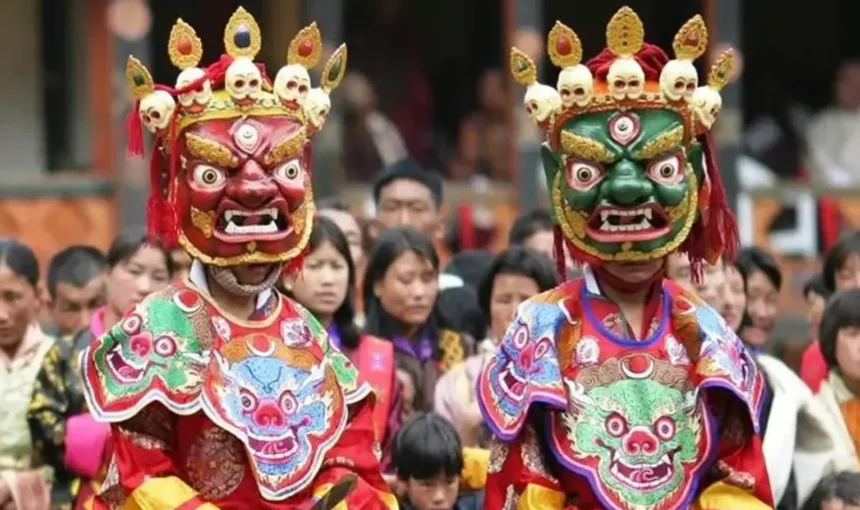
The attraction of this festival is the traditional masked dance performed by different performers. Punakha Dromche is another remarkable festival in Bhutan. This festival is held in the first month of the lunar year. It honors Yeshe Gompa (Mahakala) and Palden Lhamo. Many Bhutanese people see them as protective deities.
These events are not tourist shows. They are living acts of devotion, teaching across generations, and social unity. Families gather in traditional dress, like gho and kira. They share festive meals and renew community bonds in a sacred setting.
This setting blends history, myth, and daily life into one rhythmic mandala of time. Whether you are a traveler, culture enthusiast, or someone looking for a festival trip, this guide helps you find the right Bhutan Festival dates and the calendar.
Bhutan Festival Dates and Calendar by Year
i) Year 2026
| No. | Festival | Place | Date (2026) |
|---|---|---|---|
| 1 | Lhamoi Dromchhen | Trongsa Dzong, Trongsa | 22–24 February |
| 2 | Punakha Dromchoe | Punakha Dzong, Punakha | 24–26 February |
| 3 | Punakha Tshechu | Punakha Dzong, Punakha | 27 February–1 March |
| 4 | Tharpaling Thongdrol | Tharpaling Lhakhang, Chumi, Bumthang | 3 March |
| 5 | Tangsibi Mani | Tangsibi Lhakhang, Ura, Bumthang | 4–6 March |
| 6 | Chhorten Kora | Chorten Kora, Trashiyangtse | 3 March & 19 March |
| 7 | Gomphukora | Gom Kora Lhakhang, Trashiyangtse | 26–28 March |
| 8 | Talo Tshechu | Talo Gonpa, Punakha | 26–28 March |
| 9 | Gasa Tshechu | Gasa Dzong, Gasa | 26–28 March |
| 10 | Zhemgang Tshechu | Zhemgang Dzong, Zhemgang | 26–28 March |
| 11 | Paro Tshechu | Rinpung Dzong, Paro | 29 March–2 April (Thongdrol on last day) |
| 12 | Rhododendron Festival | Lamperi Botanical Park, Thimphu | 13–14 April |
| 13 | Domkhar Tshechu | Domkhar, Chumi, Bumthang | 26–28 April |
| 14 | Ura Yakchoe | Ura Lhakhang, Bumthang | 28 April–2 May |
| 15 | Nimalung Tshechu | Nimalung Dratshang, Chumi, Bumthang | 22–24 June |
| 16 | Kurjey Tshechu | Kurjey Lhakhang, Choekhor, Bumthang | 24 June |
| 17 | Tour of the Dragon (Mountain Bike Race) | Bumthang to Thimphu | 5 September |
| 18 | Thimphu Drubchen | Tashichho Dzong, Thimphu | 17 September |
| 19 | Wangdue Tshechu | Wangduephodrang | 19–21 September |
| 20 | Tamshing Phala Chhoepa | Tamshing Lhakhang, Bumthang | 21–23 September |
| 21 | Thimphu Tshechu | Tashichho Dzong, Thimphu | 21–23 September |
| 22 | Gangtey Tshechu | Gangtey Gonpa, Phobjikha, Wangduephodrang | 24–26 September (Thongdrol on last day) |
| 23 | Thangbi Mewang | Thangbi Lhakhang, Choekhor, Bumthang | 26–27 September |
| 24 | Pemagatshel Tshechu | Pemagatshel Dzong, Pemagatshel | 18–21 October (Thongdrol on last day) |
| 25 | Jhomolhari Mountain Festival | Dangochong, Thimphu | 14–15 October |
| 26 | Chhukha Tshechu | Chhukha Dzong, Chhukha | 19–21 October |
| 27 | Dechenphu Tshechu | Dechenphu Lhakhang, Thimphu | 21 October |
| 28 | Jakar Tshechu | Jakar Dzong, Choekhor, Bumthang | 18–21 October |
| 29 | Jambay Lhakhang Drup | Jambay Lhakhang, Choekhor, Bumthang | 26–29 October |
| 30 | Prakhar Duchhoed | Prakhar Lhakhang, Chumi, Bumthang | 27–29 October |
| 31 | Haa Tshechu | Lhakhang Karpo, Haa | 19–21 September |
| 32 | Black-Necked Crane Festival | Gangtey Gonpa, Phobjikha, Wangduephodrang | 11 November |
| 33 | Goenpai Drupchen | Trongsa Dzong, Trongsa | 14–16 November |
| 34 | Mongar Tshechu | Mongar Dzong, Mongar | 17–19 November |
| 35 | Trashigang Tshechu | Trashigang Dzong, Trashigang | 18–20 November |
| 36 | Phuentsholing Tshechu | Phuntsholing, Chhukha | 17–19 November |
| 37 | Jambay Lhakhang Singye Cham | Jambay Lhakhang, Choekhor, Bumthang | 24 November |
| 38 | Nalakhar Tshechu | Naa Lhakhang, Choekhor, Bumthang | 24–26 November |
| 39 | Druk Wangyel Tshechu | Dochula, Thimphu | 13 December |
| 40 | Trongsa Tshechu | Trongsa Dzong, Trongsa | 17–21 December (Thongdrol on last day) |
| 41 | Lhuentse Tshechu | Lhuentse Dzong, Lhuentse | 17–21 December (Thongdrol on last day) |
| 42 | Samdrupjongkhar Tshechu | Samdrupjongkhar | 22–24 December |
| 43 | Nabji Lhakhang Drup | Nabji Lhakhang, Nabji, Trongsa | 24–26 December |
Source: https://bhutan.travel/travel-trade
https://a.storyblok.com/f/171618/x/882184a9e7/tentative_festival_dates_2027-1.pdf
ii) Year 2027
| No. | Festival | Place | Date (2027) |
|---|---|---|---|
| 1 | Lhamoi Dromchhen | Trongsa Dzong, Trongsa | 11–13 February |
| 2 | Punakha Dromchoe | Punakha Dzong, Punakha | 13–15 February |
| 3 | Punakha Tshechu | Punakha Dzong, Punakha | 16–18 February |
| 4 | Tharpaling Thongdrol | Tharpaling Lhakhang, Chumi, Bumthang | 20 February |
| 5 | Chhorten Kora (first day) | Chorten Kora, Trashiyangtse | 20 February |
| 6 | Tangsibi Mani | Tangsibi Lhakhang, Ura, Bumthang | 22–24 February |
| 7 | Chhorten Kora (second day) | Chorten Kora, Trashiyangtse | 8 March |
| 8 | Gomphukora | Gom Kora Lhakhang, Trashiyangtse | 16–18 March |
| 9 | Talo Tshechu | Talo Gonpa, Punakha | 16–18 March |
| 10 | Gasa Tshechu | Gasa Dzong, Gasa | 16–18 March |
| 11 | Zhemgang Tshechu | Zhemgang Dzong, Zhemgang | 16–18 March |
| 12 | Paro Tshechu | Rinpung Dzong, Paro | 18–22 March (Thongdrol on last day) |
| 13 | Domkhar Tshechu | Domkhar, Chumi, Bumthang | 16–18 April |
| 14 | Ura Yakchoe | Ura Lhakhang, Bumthang | 18–22 April |
| 15 | Rhododendron Festival | Dochula, Thimphu | 22–23 April |
| 16 | Haa Spring Festival | Haa Valley | 25–26 April |
| 17 | Nimalung Tshechu | Nimalung Dratshang, Chumi, Bumthang | 12–14 June |
| 18 | Kurjey Tshechu | Kurjey Lhakhang, Choekhor, Bumthang | 14 June |
| 19 | Thimphu Drubchen | Tashichho Dzong, Thimphu | 5 October |
| 20 | Wangdue Tshechu | Wangduephodrang | 8–10 October |
| 21 | Tamshing Phala Chhoepa | Tamshing Lhakhang, Bumthang | 10–12 October |
| 22 | Thimphu Tshechu | Tashichho Dzong, Thimphu | 10–12 October |
| 23 | Gangtey Tshechu | Gangtey Gonpa, Phobjikha Valley | 13–15 October (Thongdrol on final day) |
| 24 | Jhomolhari Mountain Festival | Dangochong, Thimphu | 14–15 October |
| 25 | Thangbi Mewang | Thangbi Lhakhang, Choekhor, Bumthang | 15–16 October |
| 26 | Pemagatshel Tshechu | Pemagatshel Dzong, Pemagatshel | 6–9 November (Thongdrol on last day) |
| 27 | Chhukha Tshechu | Chhukha Dzong, Chhukha | 6–8 November |
| 28 | Haa Tshechu | Haa Valley | 6–8 November |
| 29 | Jakar Tshechu | Jakar Dzong, Choekhor, Bumthang | 6–9 November |
| 30 | Dechenphu Tshechu | Dechenphu Lhakhang, Thimphu | 8 November |
| 31 | Black-Necked Crane Festival | Gangtey Gonpa, Phobjikha Valley | 11 November |
| 32 | Jambay Lhakhang Drup | Jambay Lhakhang, Choekhor, Bumthang | 14–17 November |
| 33 | Prakhar Duchhoed | Prakhar Lhakhang, Chumi, Bumthang | 15–17 November |
| 34 | Goenpai Drupchen | Trongsa Dzong, Trongsa | 3–5 December |
| 35 | Mongar Tshechu | Mongar Dzong, Mongar | 6–8 December |
| 36 | Phuntsholing Tshechu | Phuntsholing, Chhukha | 6–8 December |
| 37 | Trashigang Tshechu | Trashigang Dzong, Trashigang | 7–9 December |
| 38 | Jambay Lhakhang Singye Cham | Jambay Lhakhang, Choekhor, Bumthang | 13 December |
| 39 | Nalakhar Tshechu | Naa Lhakhang, Choekhor, Bumthang | 13–15 December |
| 40 | Druk Wangyel Tshechu | Dochula, Thimphu | 13 December |
| 41 | Trongsa Tshechu | Trongsa Dzong, Trongsa | 5–9 January 2028 (Thongdrol on last day) |
| 42 | Lhuentse Tshechu | Lhuentse Dzong, Lhuentse | 5–9 January 2028 (Thongdrol on last day) |
| 43 | Tour of the Dragon (Mountain Bike Race) | Bumthang to Thimphu | 5th September |
| 44 | Rhododendron Week | Shetemey, Merak, Trashigang | 3rd–9th April |
Source: https://bhutan.travel/travel-trade
https://a.storyblok.com/f/171618/x/421b8ac6a3/tentative_festival_dates_2026.pdf
iii) Year 2028
| Festival | Location | Date |
|---|---|---|
| Trongsa Tshechu | Trongsa Dzong, Trongsa | 5–9 January 2028 (Thongdrel on last day) |
| Lhuentse Tshechu | Lhuentse Dzong, Lhuentse | 5–9 January 2028 (Thongdrel on last day) |
| Samdrupjongkhar Tshechu | Samdrupjongkhar | 10–12 January 2028 |
| Nabji Lhakhang Drup | Nabji Lhakhang, Nabji, Trongsa | 12–14 January 2028 |
| Gomphu Kora Tshechu Festival | Gomphu Kora, Lhakhang, Trashiyangtse | Early April (3 days) |
| Black-Necked Crane Festival | Gangtey Goenpa, Phobjikha Valley | 11 November 2028 |
| Jambay Lhakhang, Bumthang | Jambay Lhakhang, Bumthang | 3–6 November (Tentative) |
| Druk Wangyel Tshechu Festival | Druk Wangyel Lhakhang, Dochula Pass | 13 December 2028 |
| Punakha Tshechu Festival | Punakha Dzong, Punakha | Around 5–7 March (Tentative) |
| Thimphu Tshechu Festival | Tashichho Dzong, Thimphu | 28–30 September |
| Paro Tshechu Festival | Rinpung Dzong, Paro | 14–18 April (Tentative Timeline) |
Source: https://bhutan.travel/travel-trade
Note: All tentative festival dates are unconfirmed by official sources. Only dates from official sources are shown in the table above.
Popular Festivals in Bhutan
Despite hosting over 150+ festivals, some are very famous. They feature ancient Buddhist practices, colorful events, traditional dances, and strong local faith. Below are some of Bhutan’s popular festivals.
i) Paro Tshechu Festival
The Paro Tshechu is Bhutan’s largest and best-known religious festival. It lasts five days each spring. It takes place in late March to early April. The festival is held at Rinpung Dzong in the Paro Valley. The festival was established in the 17th century by Zhabdrung Ngawang Namgyal. It honors Guru Rinpoche, a tantric master who brought Buddhism to Bhutan.
This festival attracts both locals and tourists. The festival features traditional mask dances, religious performances, cultural programs, and the sacred Thongdrol display on the final day.
ii) Thimphu Tshechu Festival
Thimphu Tshechu is another of the largest festivals in Bhutan and takes place in the capital city of Thimphu. It is a three-day celebration held each autumn (late September to early October) at Tashichho Dzong. Over three days, monks from the Central Dratshang perform a refined cycle of cham, or masked dances.
These include the Dance of the Black Hats and the Dance of the Palaces. They also perform the Dance of the Twenty-One Black Hats with Drums. These sequences are unique to Thimphu. Members of the royal family and senior government officials often attend. Though its roots go back to the 17th century, it was formally established in 1867.
It grew considerably in the 1950s. This expansion reflected Thimphu’s growing role as the nation’s political and spiritual hub. The festival brings together thousands of people who gather to witness sacred dances, traditional music, and cultural performances.
iii) Punakha Tshechu Festival
The Punakha Tshechu is one of Bhutan’s most significant religious festivals. Punakha Tshechu is celebrated for three days, usually from late February to early March. It takes place near the beautiful Punakha Dzong, a key historical landmark in Bhutan.
This festival features a historical reenactment of the 17th century. Unlike most tshechus. It combines religious ceremonies, cultural performances, and traditional dances. The large thongdrel (silk thangka) unfurling on the final morning is the highlight of the festival.
It is believed that viewing it brings blessings and helps cleanse negative karma. The festival is especially popular among travelers who want to explore Bhutan’s history and spirituality. Visitors can witness monk dances, local celebrations, and the unique cultural traditions of the Punakha region.
IV) Jambay Lhakhang Drup Festival
Jambay Lhakhang Drup is one of Bhutan’s oldest and most distinctive festivals. It is held at the historic Jambay Lhakhang temple in Bumthang. It usually lasts four days between late October and mid-November. It was started to honor Guru Rinpoche and subdue negative forces.
The festival is known for sacred rituals, traditional dances, and the Mewang fire ceremony. In this ceremony, participants walk through a burning structure as part of the celebration. It offers travelers a more profound understanding of Bhutan’s spiritual traditions.
v) Wangdue Tshechu Festival
The Wangdue Tshechu is a vibrant, three-day religious festival held each autumn. It takes place in the Wangdue Phodrang district in central Bhutan, usually in mid-to-late September. Traditionally, the festival was held at the historic Wangdue Phodrang Dzong. It sits on a ridge above where the Punatsangchhu and Dangchhu rivers meet.
After a major fire in 2012, the dzong was damaged. The festival was then moved to a nearby site. It is now held at the Army Training Centre or temporary festival grounds. It will remain there until the dzong is fully rebuilt.
It began in the 17th century under Shabdrung Ngawang Namgyal, who unified Bhutan. The tshechu honors Guru Rinpoche. It includes a cycle of sacred cham, or masked dances, by monks and lay dancers. These include the Dolay Raksha dance. This dance was once linked to calming river spirits during bridge building.
The festival also includes sequences unique to the Wangdue tradition. A large thangka is unfurled on the last morning, drawing thousands of devotees from central and western Bhutan. They believe seeing it brings blessings and clears negative karma. Known for its traditional dances and local performances, the festival gives visitors an authentic taste of Bhutanese community life.
vi) Druk Wangyel Festival
The Druk Wangyel Festival, also called Dochula Tshechu, is a special celebration at Dochula Pass (3,100 m). It is about 60 km west of Thimphu. It is a one-day national commemoration festival held annually on 13 December at the Druk Wangyel Tshechu Ground.
It began on December 13, 2011. Her Majesty the Queen Mother, Ashi Dorji Wangmo Wangchuck, started it. It is held to honor the legacy and contributions of His Majesty, the Fourth King of Bhutan. His name is Jigme Singye Wangchuck. It also honors the Royal Bhutan Army.
It marks their decisive victory in the December 2003 military operation. The operation resulted in the expulsion of Assamese militant camps from the forests of southern Bhutan. Active and retired Royal Bhutan Army soldiers lead the Druk Wangyel tschechu.
They reenact key moments from the 2003 operation. They use choreographed dances, tactical drills, and patriotic songs. This blends martial pride with spiritual gratitude. Set against the wide eastern Himalayas, with peaks like Gangkhar Puensum, the festival draws families, veterans, and officials. It offers a day of national reflection, cultural display, and tribute to Bhutan’s sovereignty and peace.
vii) Black-Necked Crane Festival
The Black-Necked Crane Festival happens in the beautiful Phobjikha Valley. It celebrates the arrival of endangered black-necked cranes during their annual migration. It is an annual one-day cultural and conservation event held on 11 November. It started in 1998 by the Royal Society for the Protection of Nature (RSPN).
It aimed to raise awareness about the endangered black-necked crane (Grus nigricollis). In the valley, you can find this sacred migratory bird in winter. It stays from late October to mid-February. It also aims to build community pride in Phobjikha’s role as a high-altitude wetland habitat.
It reflects Bhutan’s blend of royal respect, care for nature, and cultural identity. Held in the courtyard of Gangtey Monastery (Gangtey Gonpa), the festival brings together families, monks, students, conservationists, and visitors. They gather for a day of performances and advocacy.
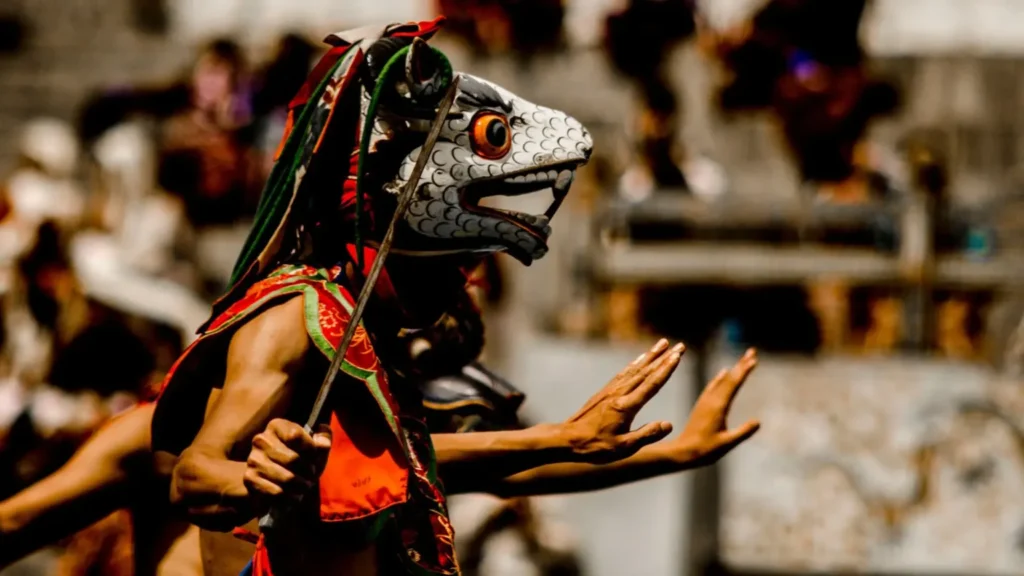
The highlight of this festival is the crane dance. Schoolchildren choreograph and perform it. They wear handmade black-and-white costumes and masks. They mimic the birds’ graceful courtship rituals and flight patterns. The other programs include traditional Cham masked dances and folk songs. They also include skits on wetland protection and anti-poaching
Tourist Priority for Festival Tours in Bhutan
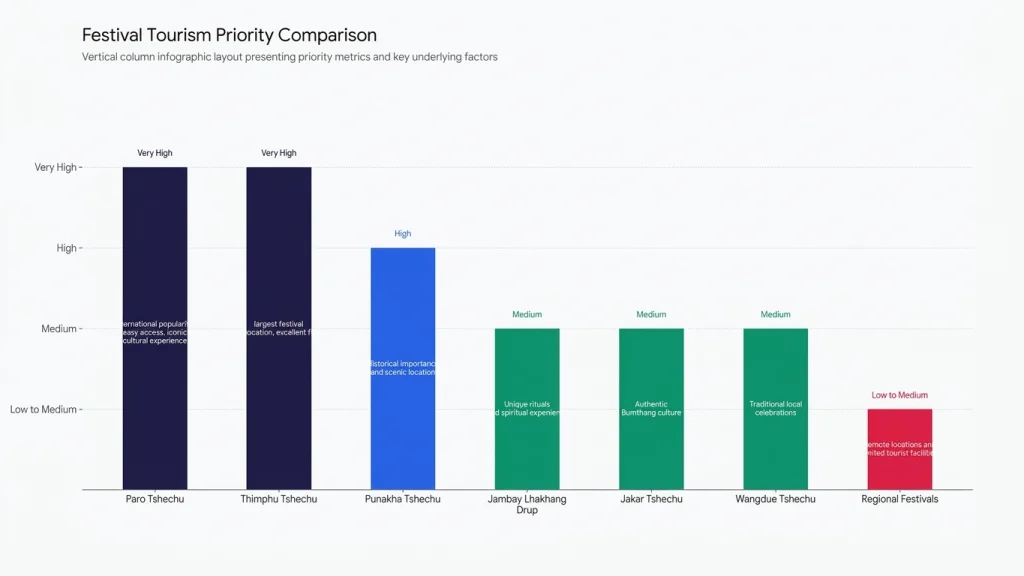
Below is a comparison of the priorities of the festival tours chosen by the international tourist.
Festivals According to Season
Bhutan celebrates festivals all year in many regions. Each festival reflects Buddhist traditions, cultural heritage, and local customs. The table below gives a full overview of Bhutan’s major festivals. It includes each festival’s location and usual celebration period.
| Festival Name | Location | Usual Month / Season |
|---|---|---|
| Punakha Drubchen | Punakha Dzong, Punakha | February–March (Spring) |
| Punakha Tshechu | Punakha Dzong, Punakha | March (Spring) |
| Paro Tshechu | Rinpung Dzong, Paro | March–April (Spring) |
| Gomphu Kora Festival | Trashigang | March–April (Spring) |
| Chorten Kora Festival | Trashiyangtse | March–April (Spring) |
| Ura Yakchoe Festival | Ura Valley, Bumthang | April–May (Spring) |
| Rhododendron Festival | Lamperi Botanical Park, Thimphu | April–May (Spring) |
| Nimalung Tshechu | Bumthang | June–July (Summer) |
| Kurjey Tshechu | Bumthang | June–July (Summer) |
| Haa Summer Festival | Haa Valley | June–July (Summer) |
| Matsutake Festival | Ura Valley, Bumthang | August–September (Summer) |
| Thimphu Drubchen | Tashichho Dzong, Thimphu | September (Autumn) |
| Thimphu Tshechu | Tashichho Dzong, Thimphu | September–October (Autumn) |
| Wangdue Tshechu | Wangdue Phodrang | September–October (Autumn) |
| Gangtey Tshechu | Gangtey Monastery, Phobjikha Valley | September–October (Autumn) |
| Jakar Tshechu | Bumthang | October–November (Autumn) |
| Jambay Lhakhang Drup | Bumthang | October–November (Autumn) |
| Prakhar Tshechu | Bumthang | October–November (Autumn) |
| Royal Highlander Festival | Laya, Gasa | October–November (Autumn) |
| Black-Necked Crane Festival | Phobjikha Valley | November (Autumn/Winter) |
| Trashigang Tshechu | Trashigang | November–December (Winter) |
| Mongar Tshechu | Mongar | November–December (Winter) |
| Druk Wangyel Festival | Dochula Pass | December (Winter) |
| Trongsa Tshechu | Trongsa | December (Winter) |
| Lhuentse Tshechu | Lhuentse | Winter |
| Talo Tshechu | Talo Monastery, Punakha | Winter/Spring |
Recommended Time for Bhutan Festival Tours
Based on our years of experience, we recommend September to November, in autumn. It is the best time for festival tours. Below are the experiences you will get while visiting in autumn.
- You can experience major festivals like Thimphu Tshechu, Wangdue Tshechu, Gangtey Tshechu, Jakar Tshechu, and Jambay Lhakhang Drup.
- Enjoy pleasant weather, clear Himalayan views, and comfortable sightseeing conditions.
- You can combine festival celebrations with popular attractions like Tiger’s Nest Monastery and Punakha Dzong.
- Experience Bhutan’s traditions, sacred dances, and cultural heritage in the best season.