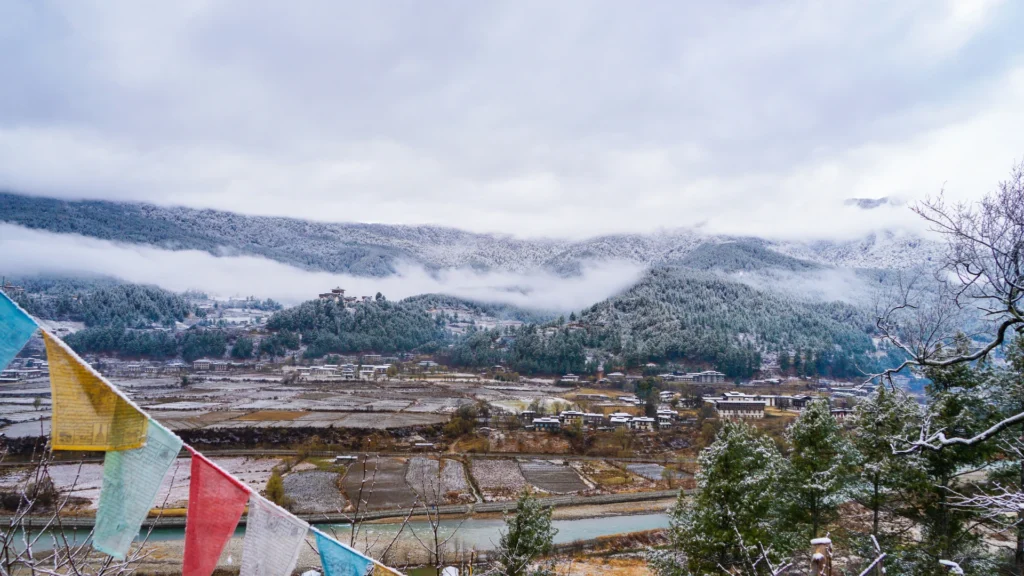
Experience the spiritual heart of Bhutan on our 10-day Bumthang and Ura Valley tour. This unique journey takes you to some of Bhutan’s most important cultural and religious regions. This tour expands beyond the boundaries of mass tourism and brings you to Bumthang’s monasteries and temples and the quiet valleys that hold them. After the trek, the tour brings you to the magical beauty of the Ura Valley.
-
3,120m/10,240 ft
-
March to May and September to November
-
Full board (breakfast, lunch and dinner)
-
Government approved 3 stars and Above
-
Private car, van or bus (Depends on group size)
-
Private Tour
Highlights
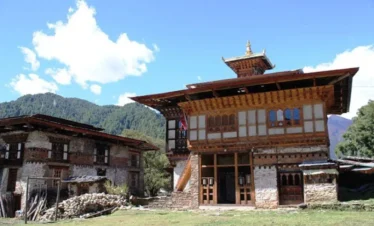
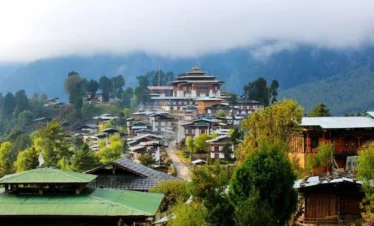
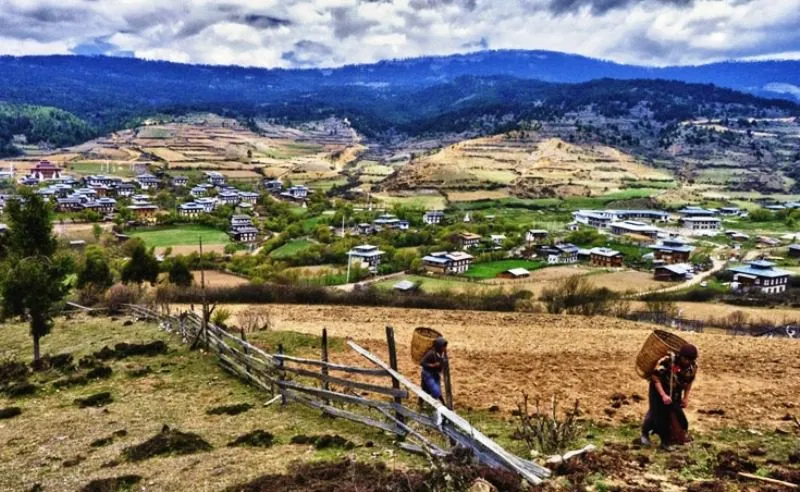
- Ura Valley, at 3,200 meters, has remained unchanged for centuries, with stone houses, narrow lanes, and a village rhythm that has never adapted to tourism.
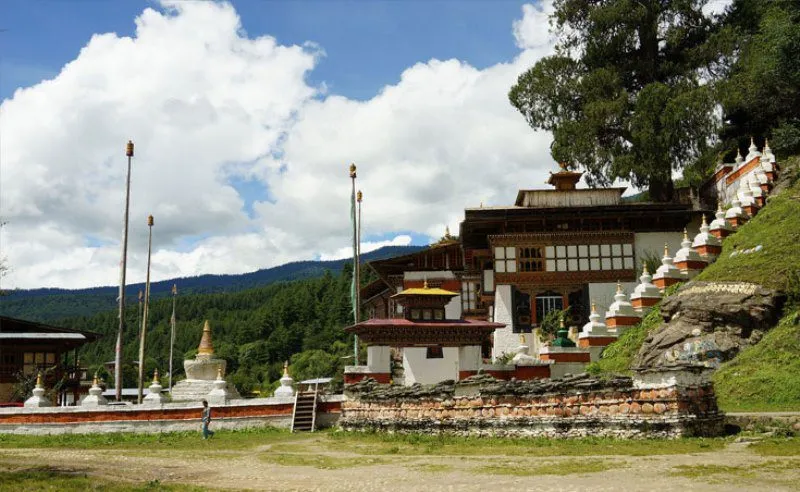
- Kurjey Lhakhang is where Guru Rinpoche meditated in the 8th century, leaving a sacred body imprint in rock that pilgrims still travel far to touch.
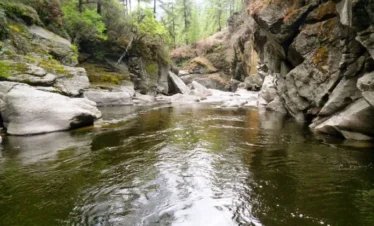
- Mebar Tsho, the Burning Lake, is a narrow river gorge in Tang Valley where Pema Lingpa retrieved sacred treasures from dark water by torchlight.
- Jambay Lhakhang has stood since the 7th century, one of 108 temples built across the Himalayas in a single day by the Tibetan king Songtsen Gampo.
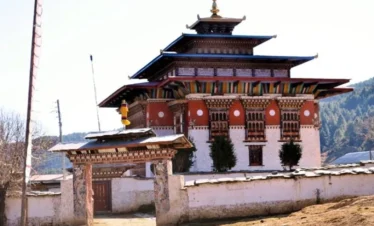
- Pema Lingpa himself founded Tamshing Lhakhang in 1501, and he painted the murals on its interior walls with his hand.
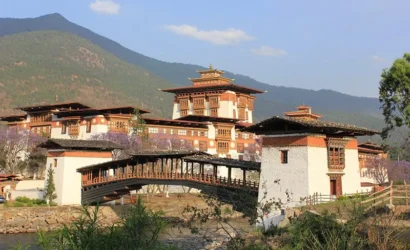
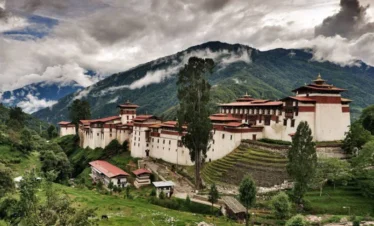
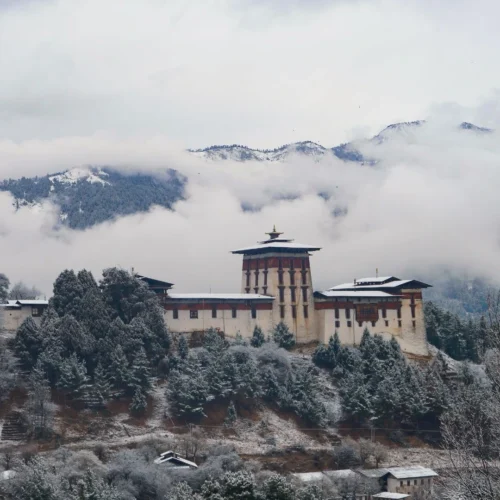
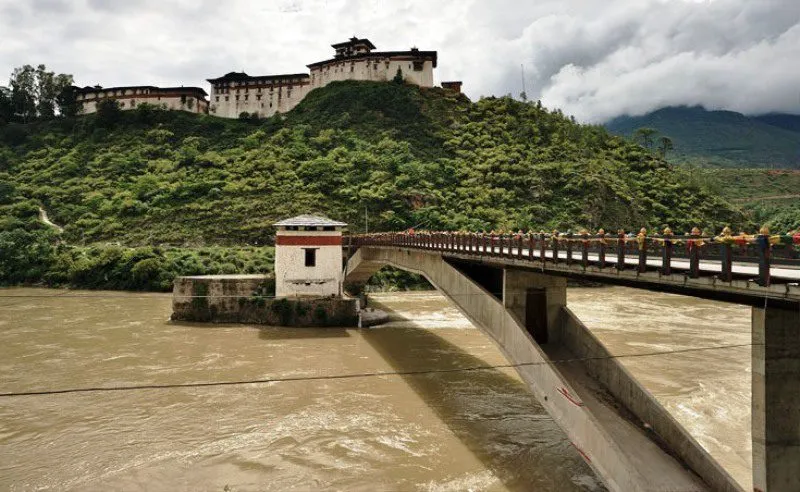
- Jakar Dzong, the Castle of the White Bird, rises above Bumthang’s Chokhor Valley, which serves as the administrative and spiritual anchor of Bhutan’s most sacred region.
- The Ura Yakchoe Festival transforms a quiet highland village into a celebration of masked dances and rituals attended almost entirely by Bhutanese, not tourists.
- The drive between Trongsa and Bumthang crosses Yotong La Pass at 3,425 meters through legally protected forests, one of the most remarkable mountain roads in Asia.
- Bumthang’s weaving centers and the Swiss Farm offer an honest look at valley life, with textiles that take weeks to produce and dairy traditions rooted in real community.
Overview of Bumthang and Ura Valley Tour Package
The 10-Day Bumthang and Ura Valley Tour takes you into the spiritual and ecocultural heartland of Bhutan, Bumthang, and the enchanting Ura Valley.
Far from the more visited western regions, central Bhutan offers a deeper, more intimate connection with the kingdom’s ancient Buddhist heritage, living traditions, and pristine natural beauty.
As described by the Bumthang Dzongkhag Administration, this region stands as Bhutan’s spiritual heartland, blessed with rich heritage, resilient communities, and a harmonious blend of culture and nature. Bumthang, often called the “beautiful field,” consists of four scenic valleys: Chokhor, Chumey, Tang, and Ura.
It is where Buddhism first took root in Bhutan in the 7th century, centuries before it took hold in the western valleys most visitors know. The four valleys that make up Bumthang- Chokhor, Chumey, Tang, and Ura hold more ancient temples per square kilometer than anywhere else in the country.
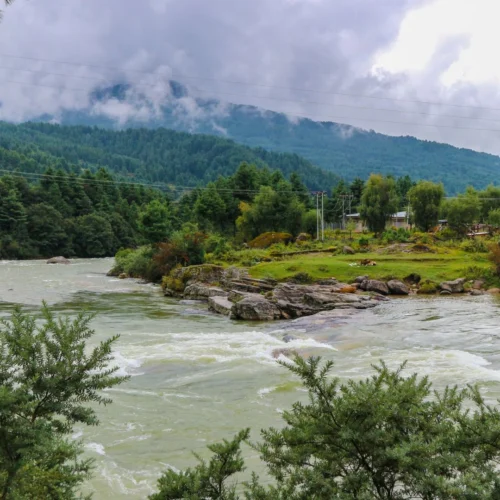
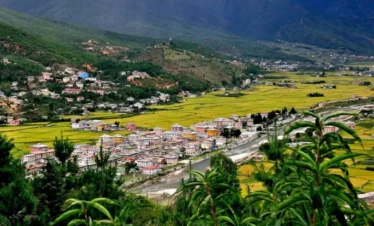
Buckwheat fields and apple orchards fill the valley floors. Pine and fir forests climb the ridges above. At 2,800 meters, the air is cool and clean year-round. This is not a region that has been polished for tourism. The temples are working monasteries where monks conduct daily rituals regardless of who is watching.
Starting at Paro and Thimphu, the path leads you east to Bumthang, the “spiritual soul of Bhutan.” In this region, you can discover the oldest temples of the country, such as Jambay Lhakhang and Kurjey Lhakhang.
You cross Dochula Pass at 3,100 meters and drop into Phobjikha Valley, letting the landscape begin to slow you down. Other sites feature tranquil valleys, lush fields of pine and apples, and a multitude of rivers.
Then comes the long drive east through Trongsa, one of the most spectacular mountain drives in Asia, before Bumthang opens up ahead of you.
You spend three full days in the Bumthang region, which is the right amount of time to go beyond surface-level visits and begin to understand what you are actually seeing. Ura Valley gets a full day of its own.
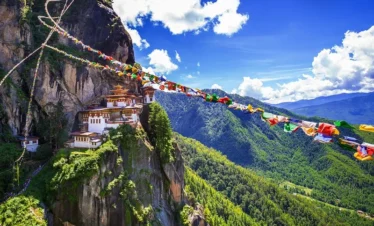
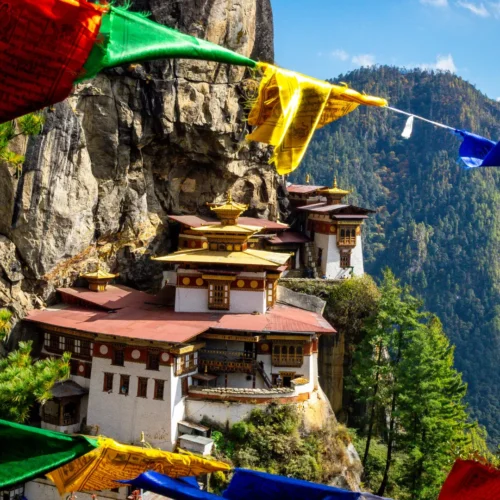
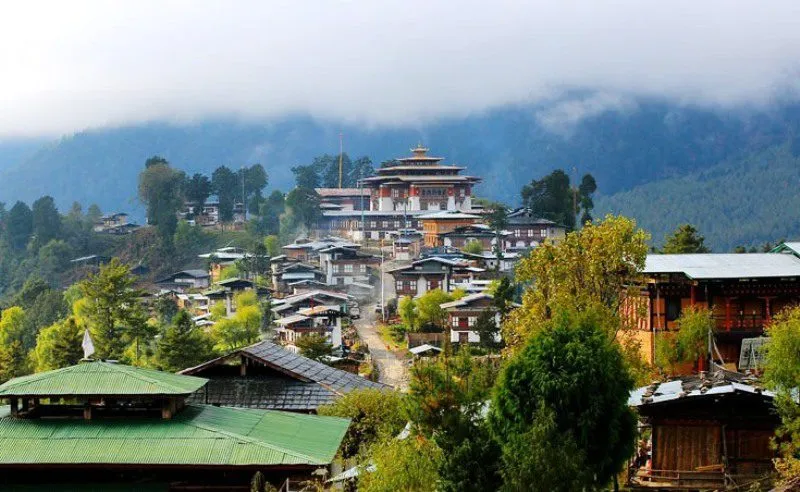
The return journey moves deliberately westward through Gangtey again, then down to subtropical Punakha before the final nights in Paro. Tiger’s Nest comes on Day 9. That placement is intentional; by then, you have spent nine days at an altitude between 2,800 and 4,000 meters, your body has adjusted, and the four-hour hike feels manageable rather than punishing.
The Tourism Council of Bhutan recorded just 145,065 visitors to the entire country in 2024. Bumthang and Ura receive a fraction of that number. The solitude is not a selling point; it is simply the reality of traveling in central Bhutan.
The villages are lived-in communities where farming and weaving continue as they have for centuries.
Local interactions in Bumthang often feel natural and meaningful, offering genuine opportunities to learn about Bhutanese traditions, farming lifestyles, and daily life.
Farmers who finish their fields by afternoon and spend evenings at the lhakhang. Weavers who take three weeks to produce a single textile because the pattern demands it.
Monks who have memorized hundreds of pages of scripture and recite them before dawn, regardless of whether anyone is listening.
Bhutan’s Department of Forest and Park Services protects over 70% of the country’s land under forest cover, a constitutional requirement.
The forests you drive through between Trongsa and Bumthang are not scenic backdrops. They are legally protected ecosystems that Bhutan has chosen to keep intact while other nations cleared theirs.
This tour suits travelers who read slowly, walk without checking the time, and find more interest in a 500-year-old mural than a five-star infinity pool.
It works for couples, solo travelers, and families with older children. No strenuous trekking is required; the longest walk is the Tiger’s Nest hike, which any reasonably fit person can complete at a comfortable pace.
The trip shows you what is ancient, careful, and genuinely unlike anywhere else, trusting that this experience will be enough.