
Scholars have argued that early development programs in Bhutan neglected rural development. Education was meant to provide skills for government services, not for improving traditional agricultural practices.
Recent decentralization policies have acknowledged this shortfall, but Bhutanese villages are still short of qualified teachers, medical personnel, agricultural expertise, and water resource managers.
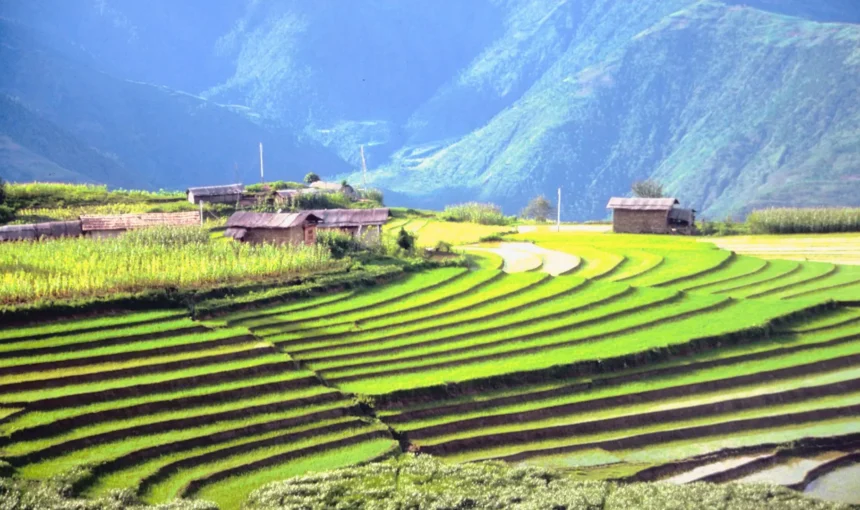
More than 80 percent of Bhutanese live in rural areas, which prevalently have a subsistence-based economy. Rural Bhutan still retains the same antique way of life since the beginning of settlement, untouched by modernity. In fact, there was no TV or Internet until 1999.
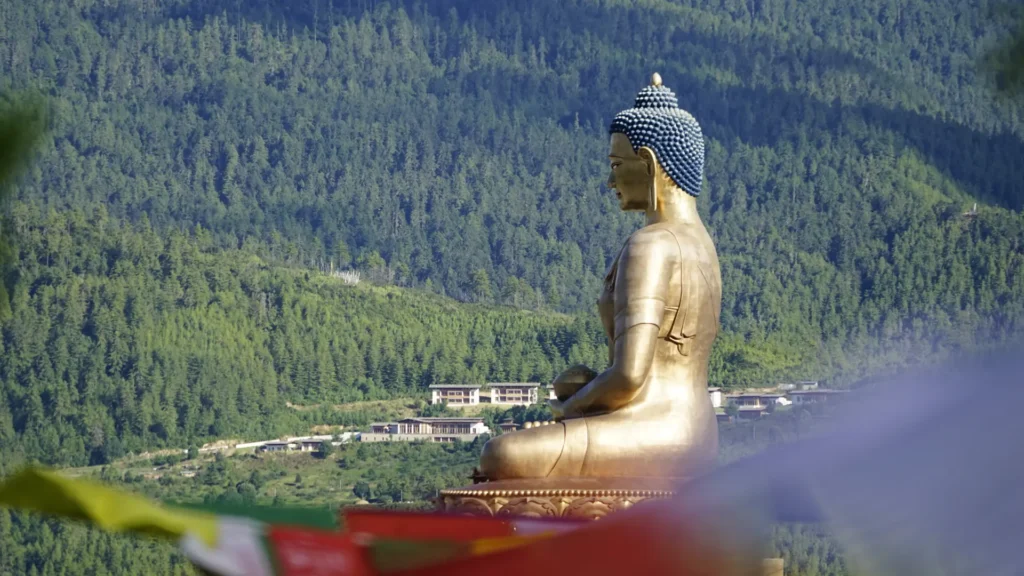
One just needs to visit the Buddhist Chapel in the neighborhood and well-made images of Buddha, starting or treading on the ancient dirt roads on horseback, passing through cultivated fields and unspoiled forests consisting of pines, oaks, maples, magnolias, large pendant leaves, creepers, and bauhinias.
The rural Bhutan remains isolated from the rest of the country. Rural Bhutan has 30.9 percent of its population below the poverty line compared to 1.7 percent in the urban areas. Many rural residents must walk for hours or even days just to reach the nearest road.
Researchers found that the areas around Zhemgang, Samtse, Mongar, Lhuentse, and Samdrup Jongkhar are more poverty-stricken than others. Men are often known as “Kep pho,” which is a relatively honorary term; women are called with a rather derogatory term, “moringmo.” Traditionally, polygamy was common until recently.
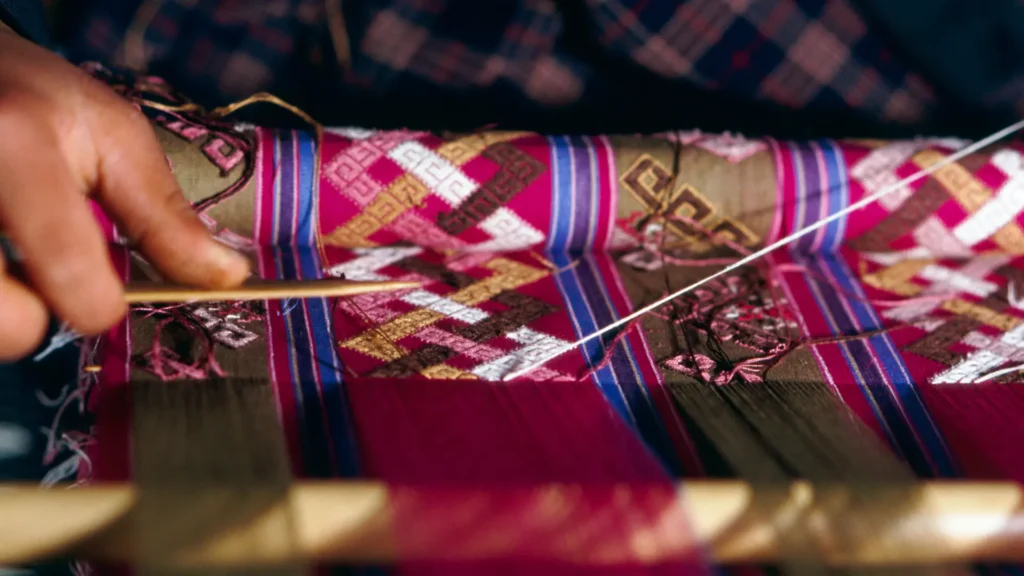
Among the women, the traditional form of textile weaving is still one of the primary means of income in rural Bhutan. Recently, Bhutan has also adopted the policy of developing the rural areas through tourism. The policy considers the prospects for the development of ecotourism.
The idea is to attract tourists for ecotourism that could contribute to the goals of Gross National Happiness. The majority of tourists and tour operators favor ecotourism activities that might benefit local rural communities.