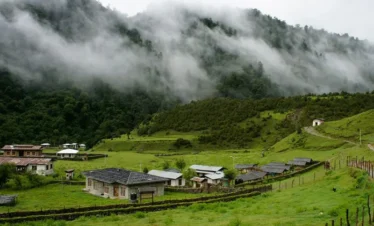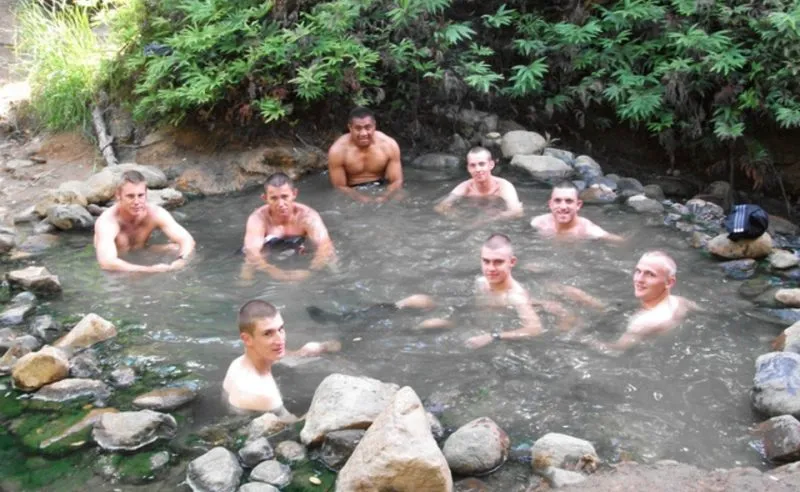
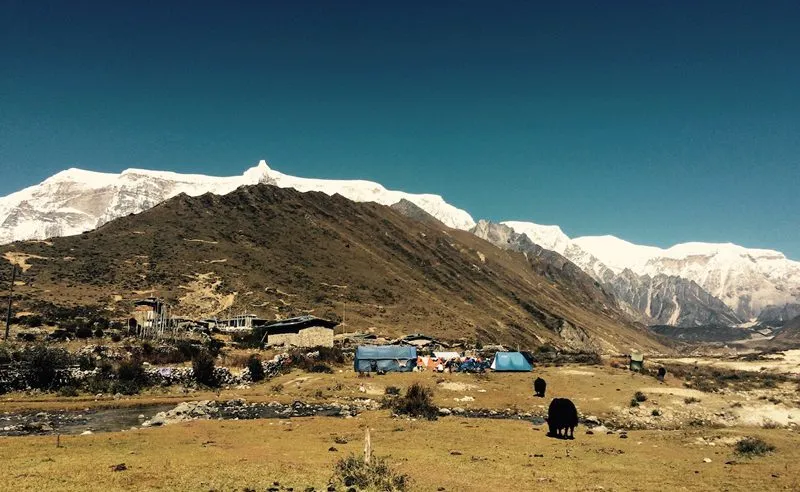
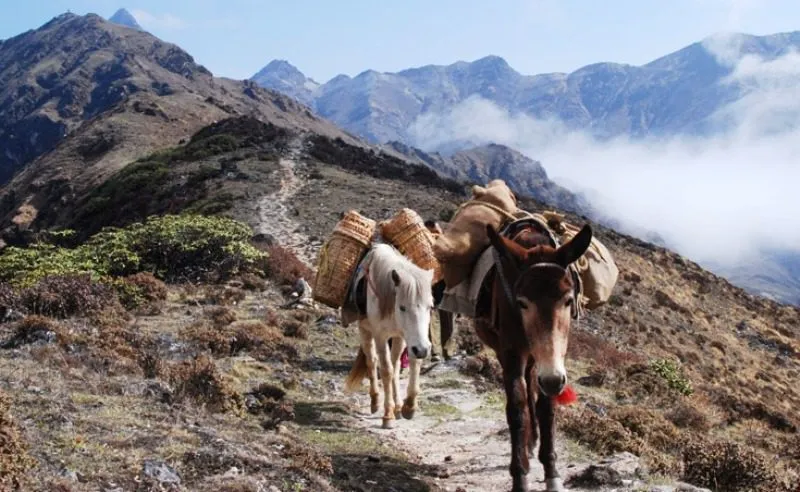
The Bhutan Dur Hot Spring Trek is one of the most popular trekking routes in the remote Bumthang region. It combines pristine Himalayan forests, alpine landscapes, traditional mountain communities, and the therapeutic mineral waters of Dur Tsachhu, one of Bhutan’s most celebrated natural hot springs.
-
3,780m/12,400 ft
-
March to May and September to November
-
Full board (breakfast, lunch and dinner)
-
Government approved 3 stars and Above
-
Private car, van or bus (Depends on group size)
-
Private Tour
Highlights
- Soak in the mineral-rich waters of Dur Tsachhu, one of Bhutan’s most remote natural hot springs.
- Trek through forests of blue pine, fir, spruce, juniper, and rhododendron in the scenic Bumthang region.
- Follow a historic mountain route through the remote Dur Valley beneath the slopes of Gangkhar Puensum.
- Experience authentic Bhutanese village life, yak-herding settlements, and remote mountain communities.
- Cross high Himalayan landscapes of alpine meadows, forested valleys, and mountain passes.
- Explore the cultural heartland of Bhutan with visits to ancient monasteries, temples, and dzongs in Bumthang.
- Enjoy a fully supported camping trek with an experienced guide, cook, and support crew.
- Discover one of Bhutan’s lesser-visited trekking routes, offering solitude and wilderness.
- Benefit from a dedicated rest day at Dur Tsachhu to relax and enjoy the hot springs.
- Best undertaken during spring (March–May) and autumn (September–November) for stable weather and clear mountain views.
Quick Facts
| Duration | 17 Days / 16 Nights |
| Best Seasons | Spring (March–May), Autumn (September–November), and Winter (December–February) for traditional hot spring bathing |
| Group Size | 2–12 people (private and tailor-made departures available) |
| Accommodation | Comfortable 3-star hotels in Paro, Thimphu, Gangtey, Punakha, and Bumthang; fully supported tented camps during the trekking section. 4-star and 5-star hotel upgrades are available at an additional cost, subject to availability. |
| Transportation | Private vehicle overland between Paro/Thimphu and Bumthang, with trekking on foot supported by pack animals |
| Starting/Ending Point | Paro (via Bumthang) |
| Trip Grade | Rated moderate |
| Meals | Full board throughout the journey (breakfast, lunch, and dinner daily), including hotel stays and the trekking section. |
| Activity Type | Cultural trekking combined with a natural hot spring wellness experience |
| Minimum Age | Suitable for fit travelers of most ages, including teenagers |
| Permits Required | Bhutan visa, Sustainable Development Fee (SDF), and trekking/restricted area permit, all arranged through a licensed Bhutanese tour operator |
Overview of Dur Hot Spring Trek
The Bhutan Dur Hot Spring Trek is one of the most famous trekking routes, combining remote Himalayan landscapes, traditional yak-herding communities, and the healing waters of Dur Tsachhu. Set in the culturally rich Bumthang region, the route passes through unspoiled forests, alpine meadows, and isolated mountain valleys while offering a rare opportunity to experience one of Bhutan’s most revered natural hot springs.
Rather than chasing a high pass or a glaciated summit, this trip is built around a slower, more reflective travel style: forest trails, yak pastures, remote farming hamlets, and a centuries-old hot spring bathing tradition, making it one of the most varied off-the-beaten-path Bhutan treks available today.
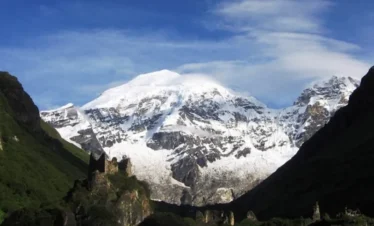
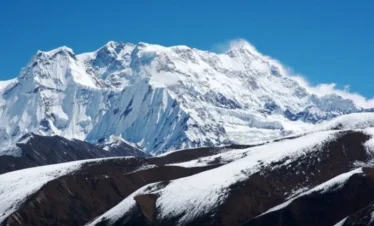
The trek takes place in Bumthang, which is widely regarded as the spiritual heartland of Bhutan and home to some of the country’s oldest temples and dzongs. From Bumthang’s Choekhor and Tang valleys, the route climbs gradually through dense forests of blue pine, fir, and rhododendron into the remote Dur valley, where Gangkhar Puensum (7,570m), the world’s highest unclimbed mountain, can sometimes be seen on clear days from sections of the upper route and surrounding ridgelines.
The trek route passes through Dur village, one of the country’s most isolated communities, before reaching Dur Tsachhu, a cluster of natural hot spring pools nestled within a forested gorge beneath the surrounding Himalayan peaks.
Beyond the landscape, this trek offers genuine cultural insight into Bhutanese Buddhist life. The hot springs themselves, known locally as “Tsachhu,” are considered sacred sites of healing, visited by Bhutanese pilgrims, particularly in winter, who believe in the therapeutic and spiritual properties of the mineral-rich waters.
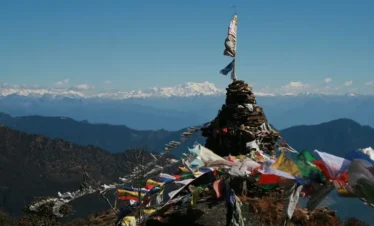
Along the trail, travelers pass yak herder camps, prayer flags strung across ridgelines, and small village shrines. Side excursions in Bumthang Valley reveal ancient monasteries such as Jakar Dzong, Kurjey Lhakhang, and Jambay Lhakhang, which are sacred sites closely associated with the early spread of Buddhism in Bhutan.
This trip is ideally suited to travelers seeking a moderate Bhutan trek that blends nature, culture, and wellness without demanding technical climbing skills or extreme altitude exposure. It’s a perfect fit for first-time Himalayan trekkers, cultural travelers who want to add a multi-day trek to a Bhutan itinerary, and anyone drawn to the idea of combining multi-day trekking with the unique experience of bathing in Bhutan’s remote natural hot springs.
If you’re looking for a Bhutan trekking experience that goes beyond temples and dzongs, one that combines genuine wilderness trekking, mountain views of Gangkhar Puensum, and a soak in a sacred natural hot spring, the Dur Hot Spring trek is built for exactly that.
Explore the route, permits, gear list, and practical details below, or get in touch with our team to extend your journey with other Bhutan experiences such as the Jomolhari Trek, the Druk Path Trek, or a cultural tour of Paro, Thimphu, and Punakha.
Dur Hot Spring Trek Itinerary
Arrive Paro by the Bhutanese National Carrier flying over the world’s highest mountains and finally landing at the lush green Paro valley. A cool and clean fresh air greets the visitor as stepping down from the plane, the first gift of Bhutan.
After clearing customs and visa formalities, meet the representatives and the Bhutanese guide, and a short tour brief by the guide then transfer to Paro town for lunch.
Then drive towards Thimphu (the capital of Bhutan) for about 1 & half hours drive. En-route Thimphu, one can do a short hike to Tamchog Monastery, a private temple owned by the descendents of famous Tibetan bridge – builder Thangthong Gaylpo.
Later on continue the drive to Thimphu. In Thimphu, visit Buddha point for a stunning view of Thimphu city and Takin Compound- on the way to the viewpoint over Thimphu is the home of Bhutan’s national animal, the Takin.
Then continue to Tashi Choe Dzong- the fortress of the glorious religion was initially constructed in 1641 and rebuilt by King Jigme Dorji Wangchuk in the 1960s, Folk Heritage Museum – a 300 year old traditional house converted into a museum, Centenary Farmers Market, the new authentic craft bazaar.
Overnight at Hotel.(Lunch/Dinner included)
After breakfast, drive towards Gangtey via Wangdue. The road climbs steeply through a forest of pine and cedar, festooned with hanging lichen high up near Dochula pass (3,050 m). This pass often offers panoramic views of the Himalayan mountain ranges in a clear day.
After stopping for a tea, descend along a series of hairpin bends to the fertile valley of Wangdue. Short visit to view the Wangdue Phodrang Dzong dramatically located on the spur of a hill at the confluence of the Tsang Chu and Dang Chu rivers. Then a gradual climb goes into the valley of Gangtey (Phobjikha).
There is an old monastery of Gangtey Gompa dating back to the 17th century. A few kilometers past the Gompa on the valley floor are the fascinating valley of Phobjikha. The gentle sloping hillsides of Phobjikha are described as “the most beautiful valley in the Himalayas”.
Overnight at Hotel.(Breakfast/Lunch/Dinner included)
Early start with drive to the central valleys of Bhutan. The drive to Bumthang via Trongsa is about six hours crossing over Pelela Pass (3,300 m) and Yotongla Pass (3,400 m). The road climbs steadily passing through semi-tropical vegetation and then to Pelela Pass(3,300m) with an alpine environment of rhododendrons and dwarf bamboo.
This pass is traditionally considered the boundary between west and east Bhutan. If the weather is clear, particularly the peak of Jhomulhari (7314 m) to the west can be spotted. En-route cross Chendebji Chorten built to suppress a demon. After lunch, go out to view the impressive Trongsa Dzong, ancestral home of the ruling dynasty.
In olden days the Dzong commanded the passage between east and West Bhutan. Finally drive towards Bumthang valley (described as “one of the most beautiful spot in the Himalayas” across the Yotongla Pass (3,400 m)
Overnight at Hotel.(Breakfast/Lunch/Dinner included)
In the morning visit Kurje Lhakhang, one of the most sacred places in the kingdom as Bhutan’s “patron saint”, Guru Rinpoche (Padmasambhava) meditated here. From Kurje monastery, a tarmac road heads south along the right bank of the river to Jambey Lhakhang.
This temple, erected by the Tibetan king Songtsen Gampo in the 7th century, is one of the two oldest in Bhutan (the other being Kyichu Lhakhang in Paro). After lunch, hike to Tamshing Lhakhang, founded in 1501 by Pema Lingpa.
It contains interesting and ancient Buddhist wall paintings. Later, visit Jakar Dzong, “the castle of the white bird”, and then take a stroll through Bumthang’s market area before returning to the hotel.
Overnight at Hotel.(Breakfast/Lunch/Dinner included)
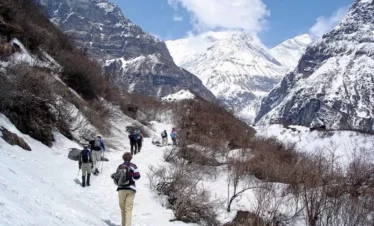
After breakfast drive to Kurjey Lhakhang, from here it is 8 km drive on unpaved road. The trek starts at Dur Zam alongside the Chamkhar River famous for trout’s and is very gradual throughout.
Overnight in Camp. (Walking Duration: 6-7 hrs)(Breakfast/Lunch/Dinner included)
Today the route passes through dense forest of cyprus, juniper, spruce, hemlock and maples. This trail is muddy and climbs gradually till the camp site.
Overnight in Camp. (Walking Duration: 5 hrs)(Breakfast/Lunch/Dinner included)
Today trek along more or less through similar vegetation till the camp site which is above tree line.
Overnight in Camp. (Walking Duration: 6-7 hrs)(Breakfast/Lunch/Dinner included)
The trek is all the way up until reaching at Julila pass at 4700m. On clear days surrounding mountains can be viewed. After crossing the pass the trail descends up till camp. Musk deer, herds of blue sheep and Himalayan bear may be seen en-route.
Overnight in Camp. (Walking Duration: 6-7 hrs)(Breakfast/Lunch/Dinner included)
Today is the rest day in the Tsachhu (hotspring)
Overnight in Camp.(Breakfast/Lunch/Dinner included)
The trekking trail from Dur Tsachu is uphill till Julila. After crossing the pass the trail descends till the campsite.
Overnight at Camp. (Walking Duration: 7 hrs)(Breakfast/Lunch/Dinner included)
Today is a bit more hours of walking covering up two days of walk so it starts early. The trail goes through Tsochenchen-Lungsum-Gorsum.
Overnight at Camp. (Walking Duration: 9 hrs)(Breakfast/Lunch/Dinner included)
Last day of the trek starts at Gorsum and ends at Dur Zam, from here drive towards Bumthang. From Gorsum the trial descends downhill till crossing the Dur Village brige then follows the new motor road till meeting up with the drive-back vehicle back to Bumthang.
Overnight at Hotel.(Breakfast/Lunch/Dinner included)
After breakfast, re-trace the same route back towards Gangtey and the road journey today is bit longer with 6 hours of drive. Upon arrival at Gangtey, check-in hotel.
Overnight at Hotel(Breakfast/Lunch/Dinner included)
After early breakfast, drive towards Punakha for about 3 hours. En-route take a short hike through beautiful rice fields to Chimmi Lhakhang, a temple dedicated to Drukpa Kuenley, who as a favorite saint of the Bhutanese people is known affectionately as “the Divine Madman”. And Punakha Dzong located at the confluence of the Pho-chu (male-river) and Mo-chu (female-river), the Punakha Dzong is arguably the most impressive dzong in the country.
Overnight at Hotel(Breakfast/Lunch/Dinner included)
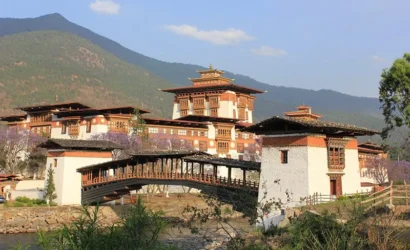
After breakfast, trace the route back to Paro. In Paro, visit Rinpung Dzong built in 1646 by Shabdrung Ngawang Namgyal, the first spiritual and temporal ruler of Bhutan; the Dzong continues its age-old function as the seat of the district administration, district court and the monastic body. The southern approach to the Dzong has a traditional roofed cantilever bridge called Nemi Zam.
Overnight at Hotel(Breakfast/Lunch/Dinner included)
After breakfast drive towards the base camp of Taktsang for the hike up to the Taktsang Monastery-Tiger’s Nest. It’s about two hours hike up the cafeteria. From this point, enjoy the spectacular view of the monastery, where Guru Padmasambhava landed on the back of a tigress in 8th century.
Then visit the Taktsang Monastery and hike back to the road point then drive to Kyichu Lhakhang, one of the oldest and most sacred shrines in Bhutan. Afterwards, back to hotel.
Overnight at Hotel(Breakfast/Lunch/Dinner included)
After breakfast, transfer to the airport to catch the onward flight. Bid farewell to the remote and legendary Dragon Kingdom disappearing again behind its guardian mountains.(Breakfast only included)
Includes/Excludes
The Package Includes
- Airport pick-up and drop-off by private vehicle.
- 3-star accommodation (4 & 5 stars may require an additional premium).
- Bhutan visa fee – including all necessary processing
- Route Permit
- Three meals per day during your stay in Bhutan
- A licensed Bhutanese tour guide
- All land transportation by private vehicle
- Camping equipment and haulage for trekking tours
- Sightseeing as per itinerary
- Monuments entrance fees where applicable
- Drinking water
- All internal taxes and charges
- A sustainable development fee of $100. (This sustainable development fee goes towards free education, free healthcare, poverty alleviation, along with the building of infrastructure.)
The Package Excludes
- Airfare & Travel Insurance
- Expenses of personal nature, tips to guides and drivers
- Expenses occurred due to unavoidable events, i.e., road wrecks, flight delays, etc.
Trip Map
Frequently Asked Questions
The Bhutan Dur Hot Spring Trek is a moderate camping trek in central Bhutan’s Bumthang region that combines forest trails, alpine meadows, remote villages, and the famous Dur Tsachhu hot springs. It offers a mix of nature, culture, and wellness experiences.
The trek is rated moderate. Most trekking days involve 4–7 hours of walking on forest and mountain trails, with elevations reaching approximately 4,210m. No technical climbing experience is required.
The trekking section typically lasts 8–9 days, while this complete itinerary includes 17 days with cultural sightseeing in Paro, Thimphu, Gangtey, Punakha, and Bumthang.
The trek reaches a maximum elevation of approximately 4,210 m, with Tsochenchen Camp at 3,780m being one of the highest overnight stops.
Dur Tsachhu is one of Bhutan’s most remote natural hot springs, renowned for its mineral-rich waters and traditional healing significance among Bhutanese pilgrims.
Previous experience helps but isn’t essential. You need a reasonable level of fitness (ability to walk 4–7 hours daily for several consecutive days), comfort with camping, and mental preparation for remote wilderness. Regular hill walks beforehand improve your experience significantly.
No. The trek passes through completely remote wilderness with no villages or facilities. All accommodation, meals, camping equipment, and support are pre-arranged and brought in. You’ll be self-sufficient with your guide and support staff for 8 days.
Pre-trek itineraries (Day 1–4) include visits to Jambay Lhakhang (7th century), Kurjey Lhakhang (Guru Rinpoche’s meditation site), Tamshing Monastery, and Jakar Dzong. These offer insight into Dzongkha Buddhism, ancient art, architecture, and traditional mountain lifestyles in the Bumthang valleys.
Altitude can affect some trekkers above 3,500 meters. Risk increases above 4,000 meters. Reduce risk by proper acclimatization, gradual ascent, drinking 3–4 liters daily, eating well, moving slowly, and listening to your guide. Most fit trekkers acclimatize successfully.
You should pack essential gear for the Bhutan Dur Hot Spring trek, such as sturdy trekking boots (already broken in), warm layers (thermal top/bottom, fleece, and down jacket), a waterproof shell jacket, gloves, a hat, sunglasses, sunscreen, a first-aid kit, a headlamp, a water bottle, and a quality sleeping bag rated to –10°C.
Yes, fit beginners with determination and proper training can complete it. Prepare with regular hill walks or gym cardio, multi-day hikes with a backpack, and camping experiences. Mental toughness matters as much as physical fitness on difficult days.
Highlights include Dur Tsachhu hot springs, alpine meadows around Tsochenchen, views toward Gangkhar Puensum, yak-herding settlements, remote forests, and Bumthang’s sacred monasteries.
Mobile coverage is extremely limited or completely unavailable for most of the trek. You’ll have no connectivity for 6–8 consecutive days. Plan for this isolation and inform family before departure. Emergencies require communication through your guide.
Additional Trekking Info
Cost of Dur Hot Spring Trekking
The Dur Hot Spring Trekking is a private, high-altitude expedition that requires detailed planning and customized arrangements. Since every departure is tailored according to the trekker’s requirements, the final cost depends on multiple factors, including:
- Number of trekkers joining the expedition
- Preferred travel dates and trekking season
- Accommodation category before and after the trek
- Private group size and customized itinerary requirements
- Additional services or special arrangements
- Flight assistance and extra travel arrangements in Bhutan
The Bhutan hot spring trek is not a fixed group departure with a standard price. Every expedition requires individual arrangements, including restricted area permits, licensed Bhutanese guides, camping logistics, kitchen crew, transportation, and high-altitude support.
To provide an accurate quotation, our team will first understand your trekking experience, preferred dates, group size, and travel requirements. We will then prepare a personalized Dur Hot Spring Trek itinerary with a detailed cost breakdown and inclusions.
There is no obligation to book. Our trekking specialists will help you plan the right expedition based on your expectations, experience level, and budget.
Contact Our Bhutan Trek Specialists
Email: info@tourinbhutan.com
WhatsApp: +1 401 328 1478
Phone: +1 401 328 1478
Dur Hot Spring Trek Route
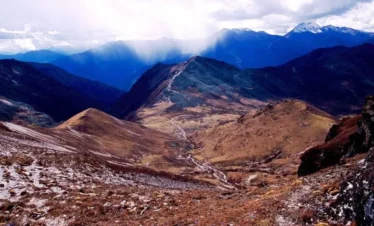
The Bhutan Dur Hot Spring Trek combines remote Himalayan wilderness, traditional mountain culture, and the healing waters of Dur Tsachhu in the heart of Bhutan’s Bumthang region. The journey begins with a scenic drive from Paro through Thimphu, Gangtey, Trongsa, and Bumthang before the trek starts at Gorsum. The trail passes through lush forests of blue pine, fir, spruce, and rhododendron, gradually ascending via Lungsum to the alpine meadows of Tsochenchen (3,780 m).
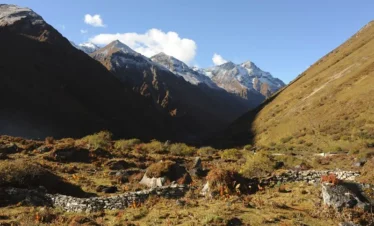
Along the way, trekkers encounter yak-herding settlements, mountain streams, and Himalayan mountain scenery. From Tsochenchen, the route descends to Dur Tsachhu (3,590 m), one of Bhutan’s most remote and revered natural hot springs, where a full rest day allows time to relax and enjoy the mineral-rich waters. The trek then retraces its path back to Bumthang before continuing through Gangtey, Punakha, and Paro, concluding with the iconic hike to Taktsang Monastery (Tiger’s Nest).
Who Can Do the Bhutan Dur Hot Spring Trek?
This Bhutan Dur Hot Spring Trek is designed for travelers who want a genuine Himalayan trekking experience without the extreme altitude, technical climbing, or long, multi-week commitment of routes like the Snowman Trek. Because the trail involves several consecutive days of walking through forest and alpine terrain, with some sustained ascents and descents, a reasonable level of fitness is required: the ability to walk 4–6 hours a day on uneven ground for multiple days in a row.
However, no prior mountaineering or technical trekking experience is necessary, making this trek an excellent choice for first-time Himalayan trekkers. This trip is particularly well-suited to cultural travelers visiting Bhutan who want to add a multi-day trekking component to their itinerary, nature lovers interested in Bhutan’s forests and alpine wildlife, and anyone drawn to the idea of combining trekking with a wellness-focused hot spring experience.
Because Bhutan requires all tourists to travel with a licensed local guide, this trek is also a comfortable option for solo travelers, couples, and small groups who want the security of a fully supported camping trek without needing to organize logistics themselves.
Travelers should be aware that the trek involves multiple nights of camping at altitude, sometimes in cold and damp forest conditions, and basic facilities compared to hotel stays in Paro or Thimphu. Anyone with significant mobility limitations or pre-existing heart or respiratory conditions should consult a doctor before booking. All travelers are encouraged to arrive with a reasonable baseline of walking fitness built up in the weeks before departure.
Best Season for the Dur Hot Spring Trek
Spring (March to May)
Spring is one of the most popular times to undertake the Dur Hot Spring trek. Winter snow begins to melt from the higher trails. Forests come alive with blooming rhododendrons, and temperatures become more comfortable for multi-day camping. Visibility toward Gangkhar Puensum and the surrounding peaks tends to be excellent in the mornings. The combination of flowering forests and mountain views makes spring a particularly photogenic season for central Bhutan trekking.
Autumn (September to November)
Autumn is widely considered the prime trekking season in Bhutan. It offers stable weather, clear skies following the summer monsoon, and excellent visibility for mountain views throughout the Tang and Dur valleys. Temperatures are crisp but generally comfortable for trekking and camping, and trails are typically dry underfoot.
Winter (December to February)
Winter also holds appeal for this particular trek. While higher trails may see snow, this period is the traditional season when Bhutanese villagers themselves travel to Dur Tsachhu for healing baths. This offers travelers a chance to experience the hot spring as part of a living local tradition rather than purely as a tourist attraction.
Weather, Temperature & Climate Information
Weather and temperature on the Dur Hot Spring Trek vary with both season and altitude. The relatively mild climate of Bumthang Valley sits at around 2,600–2,800 m. Higher forested ridges and passes above 3,800m are noticeably colder.
During spring and autumn, daytime temperatures on the lower sections typically range from 10°C to 18°C, dropping to between 0°C and 5°C overnight at campsites. On the higher ridgelines near the trek’s maximum altitude of approximately 4,210m, daytime temperatures can fall closer to 0–8°C, with overnight lows occasionally dropping below freezing, particularly in late autumn.
Winter brings significantly colder conditions, with possible snowfall on higher sections and overnight temperatures well below freezing. The lower valley around Dur Tsachhu remains accessible, and local pilgrims most frequently visit the hot springs during this time. The summer monsoon (June to August) brings heavy rainfall, leech-prone forest trails, and frequently obscured mountain views, making it the least favorable season for this trek.
Required Permits for Dur Hot Spring Trekking
All foreign visitors to Bhutan are required to travel with a licensed Bhutanese tour operator, and trekking in areas such as Bumthang and the Tang/Dur valleys involves additional permits beyond the standard tourist visa. Because this trek passes through forested areas near Bhutan’s northern border region and close to Gangkhar Puensum, permits must be processed in advance through your operator and are checked at entry points along the route.
- Bhutan tourist visa, processed in advance through your licensed tour operator
- Sustainable Development Fee (SDF), payable per person per night of stay in Bhutan
- Trekking permit / Restricted Area Permit (RAP) for the Bumthang–Tang–Dur trekking route, issued by the Department of Tourism
- Road permits for travel between districts (Dzongkhag) along the Paro–Bumthang overland route
- Any additional local permits required for camping in specific forest or community areas, arranged by your guide
Difficulty
Trekking difficulty on the Dur Hot Spring Trek is rated moderate, making it accessible to fit beginners while still offering several challenging days. The route involves sustained ascents and descents through forested terrain, occasional steep sections near the higher ridges, and multiple consecutive days of trekking with full camping support. While the trail does not reach the extreme altitudes found on routes like the Snowman Trek or Lunana Trek, the combination of altitude gain above 3,800m, forest trail conditions (which can be muddy or root-covered, especially after rain), and several long trekking days means a reasonable baseline of hiking fitness is important for an enjoyable experience. Climbing difficulty is not a factor on this trek.
There are no technical climbing sections, glacier crossings, fixed ropes, or use of specialized climbing equipment anywhere on the route, making it fundamentally different from peak-climbing trips in Nepal’s Everest region. Training guidance should focus on building general hiking endurance: regular walks or hikes of 3–5 hours with some elevation gain, ideally on consecutive days in the weeks before departure, are excellent preparation. Required skills are minimal: comfort walking on uneven forest trails and basic familiarity with multi-day camping (or a willingness to adapt quickly), as your guide and crew handle all technical aspects of route-finding, camp setup, and logistics throughout the trip.
Physical and Mental Preparation
While the Dur Hot Spring Trek is less physically demanding than high-altitude expedition routes, proper preparation still makes a significant difference to your enjoyment of the trip, particularly given the multiple consecutive days of trekking and camping involved. Physical conditioning and realistic mental expectations about camp life, weather variability, and trail conditions will help you enjoy this unique Bhutanese trekking and cultural experience.
- Build general walking endurance with regular hikes of 3–5 hours, ideally on hilly or forested terrain
- Incorporate some elevation gain into training hikes to prepare for the trek’s ascents and descents
- Practice walking with a daypack to get comfortable carrying water, layers, and personal items
- Prepare mentally for variable weather, including the possibility of rain or cold in forested sections
- Set realistic expectations around camping facilities, which are comfortable but basic compared to hotels
- Pack layers and be prepared to adjust clothing frequently as temperatures shift between sun, shade, and evening
- Stay open to a slower pace of travel; this trek rewards those who embrace its reflective, cultural rhythm
- Communicate any health concerns to your guide early, so the itinerary can be adjusted if needed
Accommodation & Meals
Throughout the Bhutan Dur Hot Spring Trek, accommodation is provided on a full-board basis, ensuring a comfortable and hassle-free experience from arrival to departure. During the sightseeing and travel portions of the journey, guests stay in carefully selected 3-star hotels in Paro, Thimphu, Gangtey, Punakha, and Bumthang, offering clean rooms, private bathrooms, and warm Bhutanese hospitality. Travelers seeking additional comfort may upgrade to 4-star or 5-star hotels and luxury lodges at an additional cost, subject to availability.
During the trekking section, the trekking crew sets up fully supported tented camps for your accommodation. Each campsite includes comfortable sleeping tents, a dining tent, and basic toilet facilities, allowing you to enjoy Bhutan’s remote wilderness without sacrificing essential comforts.
Throughout the trip, we include all meals, providing breakfast, lunch, and dinner daily. Hotel meals include a mix of Bhutanese and international cuisine, while fresh, nutritious meals are prepared by the trek cook during the camping portion of the trip. With advance notice, we can accommodate vegetarian and special dietary requirements.
Transportation
All transportation throughout the Bhutan Dur Hot Spring Trek is provided by private vehicle with a professional driver, ensuring a comfortable and seamless travel experience from arrival to departure. The package includes airport transfers in Paro, all sightseeing excursions, and overland journeys between Paro, Thimphu, Gangtey, Punakha, Trongsa, and Bumthang.
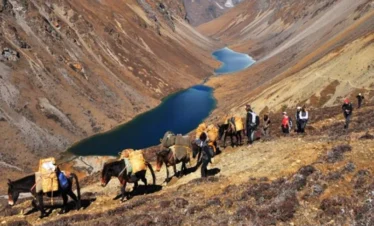
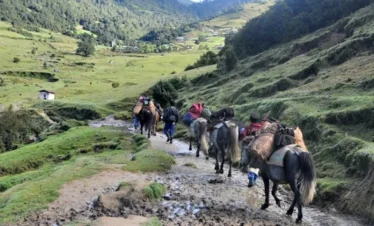
Travel is conducted in well-maintained private vehicles appropriate to the group size, allowing flexibility for sightseeing stops, photography opportunities, and rest breaks along Bhutan’s scenic mountain roads. During the trekking portion, pack animals such as horses or mules transport camping equipment, food supplies, and duffel bags between campsites, while trekkers carry only a light daypack with personal essentials.
From the moment you arrive at Paro International Airport until your departure, all ground transportation and trek logistics are fully organized and managed by our experienced local team, allowing you to focus entirely on enjoying Bhutan’s mountain landscapes, cultural heritage, and trekking experience.
Travel Insurance
Comprehensive travel insurance is strongly recommended for the Dur Hot Spring Trek, even though the route doesn’t reach extreme altitudes or involve technical climbing. Because the trek takes place in a remote, forested region of Bumthang with limited road access along parts of the route, your policy should cover trekking up to at least 4,500m, medical treatment in Bhutan, trip cancellation or interruption, and emergency evacuation in case of injury or illness on the trail. As with any Himalayan trekking trip, it’s worth confirming that your policy doesn’t exclude multi-day trekking or camping activities, and we recommend keeping a copy of your policy details and emergency contact numbers with you throughout the trip.
Gear & Equipment Checklist
While this trek is less gear-intensive than a technical climbing expedition, proper layering and camping equipment are essential for comfort during multi-day treks in Bhutan’s forested mountain terrain.
Clothing
- Moisture-wicking base layers (tops and bottoms)
- Fleece jacket or warm mid-layer
- Insulated jacket (down or synthetic) for cold evenings at camp
- Waterproof and windproof outer jacket and pants
- Trekking pants (quick-drying recommended)
- Warm hat, sun hat, and gloves
- Trekking socks and a few pairs of regular socks
Footwear
- Sturdy, broken-in trekking boots with ankle support
- Comfortable camp shoes or sandals for evenings
- Gaiters (useful for muddy or wet forest trails)
Camping & Sleep
- Sleeping bag liner for added warmth and hygiene
- Headlamp with spare batteries
Hot Spring & Personal Items
- Swimwear or quick-dry shorts/top for bathing at Dur Tsachhu
- Lightweight quick-dry towel
- Flip-flops or sandals for use at the hot spring
Other Essentials
- Daypack (20–30L) for daily essentials
- Trekking poles
- Reusable water bottle and water purification tablets/drops
- Sunscreen, sunglasses, and lip balm with SPF
- Personal first aid kit and any personal medications
- Power bank and charging cables (limited charging available at camp)
Altitude Sickness & Prevention
Although the Dur Hot Spring Trek doesn’t reach the extreme altitudes of major Himalayan peak-climbing routes, its highest point at approximately 4,210 m is still high enough that Acute Mountain Sickness (AMS) can occur, particularly in travelers who ascend too quickly or who are not accustomed to elevations above 3,000 m. Because the itinerary involves a relatively rapid transition from Bumthang Valley (around 2,600–2,800 m) onto higher forested ridges, paying attention to early symptoms and pacing yourself is important for a comfortable trek.
Common Symptoms
- Headache
- Mild nausea or loss of appetite
- Fatigue beyond normal trekking tiredness
- Difficulty sleeping
- Shortness of breath on exertion
Prevention Strategies
- Pace yourself on ascents, especially on the trek’s higher days, and avoid rushing uphill sections
- Stay well-hydrated throughout each day’s trek
- Eat regular meals, even if appetite is reduced at higher elevations
- Avoid alcohol, particularly on higher-altitude nights
- Inform your guide immediately if you experience symptoms, however mild
- Descend to a lower camp if symptoms worsen and do not improve with rest
Emergency and Medical Evacuation Service
In the scenario of illness or injury during the trek, your guide maintains communication with our operations team and local authorities to coordinate the appropriate response, which may include arranging transport by horse or vehicle to the nearest accessible road point, followed by transfer to medical facilities in Bumthang or, if necessary, onward to Thimphu.
Because parts of the Dur Hot Spring Trek route are remote and not accessible by road, response times can be longer than in more developed trekking areas, which is why carrying comprehensive travel insurance with evacuation coverage, as outlined above, is strongly recommended.
Helicopter evacuation is occasionally possible in Bhutan for serious emergencies, subject to weather, location, and availability, and would be arranged in coordination with your insurance provider and our local team.
Guide and Porter
Bhutanese law requires all foreign tourists to be accompanied by a licensed local guide throughout their visit, and on this trek your guide will be supported by a dedicated cook and a team handling pack animals, typically horses or mules, that carry camping equipment, food supplies, and personal duffel bags between campsites. This setup allows trekkers to carry only a light daypack each day, while the guide manages route-finding, cultural interpretation, and overall trip logistics, and the cook ensures fresh, hot meals are ready at each camp. All guides and crew members have experience in the Bumthang region and meet Bhutanese tourism regulations for equipment, insurance, and compensation.
Important Note
- All foreign travelers to Bhutan must book through a licensed Bhutanese tour operator and travel with a licensed guide at all times.
- Your operator will handle the mandatory Sustainable Development Fee (SDF) and visa processing in advance.
- This itinerary serves as a guideline. Your guide may adjust the actual daily schedules based on weather, trail conditions, or group pace.
- The trek is camping-based throughout, with comfortable but basic facilities compared to hotel stays in Paro or Thimphu.
- Bring a warm, four-season sleeping bag, as nighttime temperatures at camp can drop well below freezing, especially in autumn and winter.
- Pack swimwear and a quick-dry towel to enjoy the hot spring soak at Dur Tsachhu.
- Mobile signal and charging facilities are limited or unavailable for much of the trekking section.
- Respect local customs at Dur Tsachhu and in villages along the route, particularly around the spiritual significance of the hot springs.
- Winter visits to Dur Tsachhu may coincide with local pilgrims bathing for healing purposes. Be mindful and respectful of this tradition.
- Travel insurance covering trekking up to 4,500m, medical treatment in Bhutan, and emergency evacuation is strongly recommended.
- This trek can be combined with cultural tours of Paro, Thimphu, and Punakha or with other Bhutan treks for a longer itinerary.
- Final trip costs may vary based on group size, season, and any additional services or destinations added to the standard itinerary.
Why Book the Bhutan Dur Hot Spring Trek with Us?
- Experienced, government-licensed Bhutanese guides with profound knowledge of Bumthang’s culture, history, and trails.
- We handle all visa processing, Sustainable Development Fee (SDF) payments, and trekking permits on your behalf.
- We provide a full camping setup, including sleeping tents, a dining tent, and a toilet tent for added comfort on the trail.
- A dedicated trek cook prepares fresh, hot meals daily, paying attention to dietary needs and preferences.
- Pack animals (horses or mules) arranged to carry equipment and supplies, keeping your daypack light.
- Flexible itineraries that can combine this trek with cultural tours of Paro, Thimphu, and Punakha.
- Small group sizes for a more personal, immersive experience with local communities and landscapes.
- Transparent pricing with all mandatory Bhutanese fees and permits clearly explained before booking.
- Contact our team today to customize your Bhutan Dur Hot Spring Trek and create a personalized itinerary that combines trekking, culture, wellness, and Bhutan’s mountain landscapes.
Book Your Dur Hot Spring Trek Expedition
The Dur Hot Spring Trek is one of the world’s most challenging and rewarding Himalayan adventures.
Whether you are planning a private expedition with friends, a personal Himalayan challenge, or a once-in-a-lifetime adventure.
Start planning your Dur Hot Spring Trek adventure in Bhutan today.
- Email: info@tourinbhutan.com
- WhatsApp: +1 401 328 1478
- Phone: +1 401 328 1478
Your journey through Bhutan’s remote Himalayan wilderness begins with a conversation.
Trip Reviews
Posted on Google![Google]()
![Amees Florence profile picture]() Amees Florence
Amees FlorenceTrustindex verifies that the original source of the review is Google.
Posted on Google![Google]()
![Ravi Jaisi profile picture]() Ravi Jaisi
Ravi JaisiTrustindex verifies that the original source of the review is Google.
Posted on Google![Google]()
![Silent Shadow profile picture]() Silent Shadow
Silent ShadowTrustindex verifies that the original source of the review is Google.
Posted on Google![Google]()
![Bishnu Gaire profile picture]() Bishnu Gaire
Bishnu GaireTrustindex verifies that the original source of the review is Google.
Posted on Google![Google]()
![Tena Rosser profile picture]() Tena Rosser
Tena RosserTrustindex verifies that the original source of the review is Google.
Experiencing Bhutan and it’s people and it’s culture and tradtions is a beautiful travel experience in itself. It’s a magical journey into the land high up in the Himalayas. We were lucky that we found this company ‘Happiness Drukyul Holidays’ who were completely flexible, professional and up to the mark. Mr. Sonan, our guide did his job well and introduce to Bhutan’s unique culture and traditions. We learnt more of Buddhism from him. Highly recommended & thank you for this beautiful holiday experience.Posted on Google![Google]()
![Landslake Chef profile picture]() Landslake Chef
Landslake ChefTrustindex verifies that the original source of the review is Google.
We did a 6 day tour with our guide Sonam. He was extremely helpful, very knowledgeable about the history and culture of Bhutan and overall friendly and relaxed. Highly recommended.