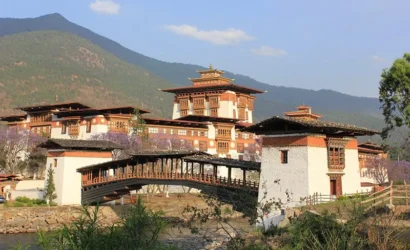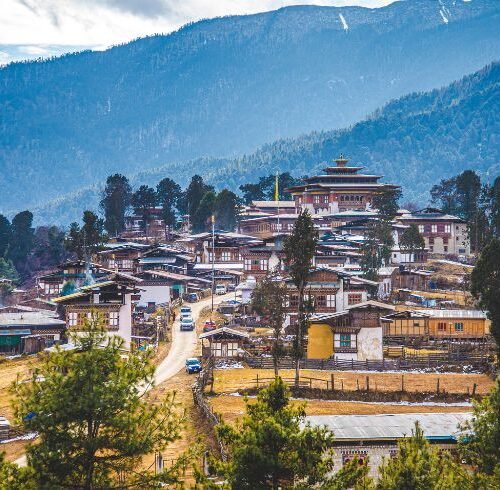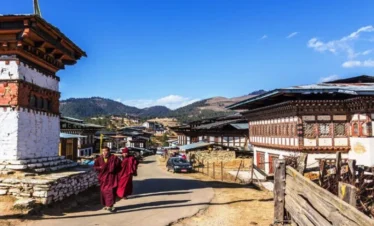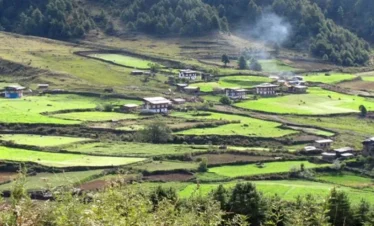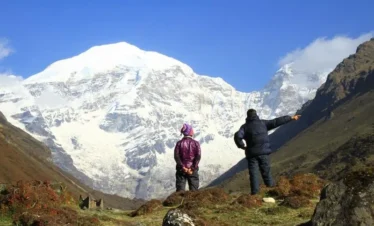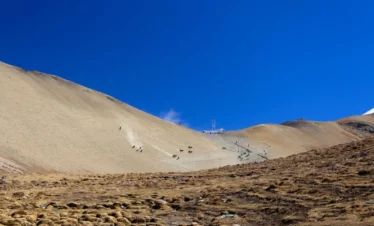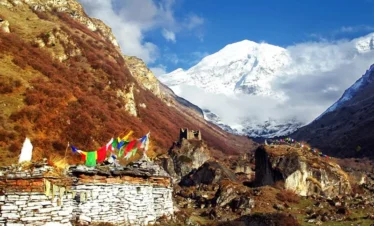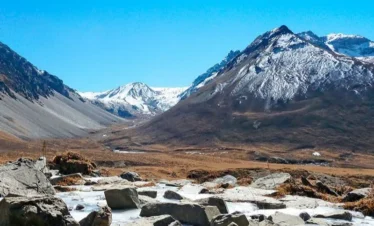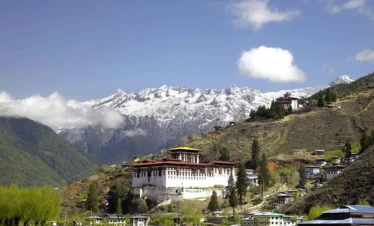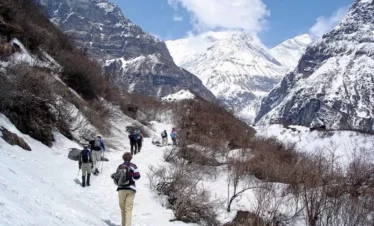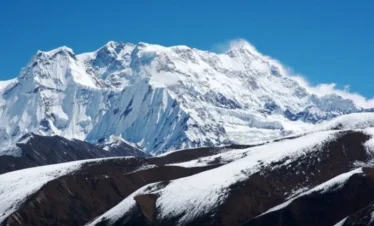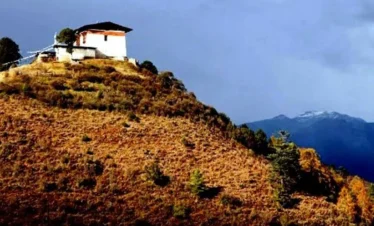
The 20-Day Snowman Trek in Bhutan is a challenging high-altitude adventure through the remote Laya and Lunana regions of northern Bhutan. The journey combines cultural sightseeing in Paro, Thimphu, and Punakha with wilderness camping, high mountain passes, alpine valleys, and traditional Himalayan settlements. With dedicated acclimatization days and support from an experienced local guide, trekkers seeking an authentic and demanding Himalayan experience will find this itinerary well-suited to their needs.
-
5,005m/16,420ft
-
March to May and September to November
-
Full board (breakfast, lunch and dinner)
-
Government approved 3 stars and Above
-
Private car, van or bus (Depends on group size)
-
Private Tour
Highlights of the Snowman Trek
- 20-day Snowman Trek itinerary combining cultural sightseeing with a demanding high-altitude trek across northern Bhutan.
- Trek through the remote Laya and Lunana regions, among Bhutan’s most isolated Himalayan landscapes.
- Cross challenging high-altitude mountain passes, alpine valleys, glacial terrain, and remote yak-herding settlements.
- Spend dedicated acclimatization and rest days in Laya and Thanza to prepare for the demanding altitude ahead.
- Experience traditional Himalayan life in Laya, Lunana, and other remote mountain communities far from Bhutan’s main towns.
- Camp beside high-altitude lakes, rugged mountain valleys, and dramatic Himalayan peaks along the Snowman route.
- Take on the trek’s most demanding high-altitude sections while following a carefully paced itinerary designed for acclimatization.
- Trek with an experienced local guide and dedicated support crew familiar with Bhutan’s remote mountain terrain.
- Explore Thimphu and Punakha before the trek, then finish in Paro with a hike to the iconic Tiger’s Nest (Paro Taktsang).
Quick facts
| Trip Information | Details |
| Trip Duration | 20 Days / 19 Nights |
| Trekking Duration | 12 Days |
| Trek Region | Laya and Lunana |
| Trek Type | High-Altitude Camping Trek |
| Difficulty | Challenging to Strenuous |
| Starting Point | Paro |
| Trekking Start | Laya |
| Trekking End | Sephu |
| Final Destination | Paro |
| Acclimatization & Rest Days | Laya and Thanza |
| Accommodation | Hotels and Wilderness Camping |
| Guide & Support | Experienced Local Trekking Guide and Support Team |
| Best Seasons | Spring (April–May) and Autumn (September–October) |
Overview of Snowman Trek
The Snowman Trek is widely regarded as one of the hardest and most rewarding long-distance treks on Earth. Recognized by the Tourism Council of Bhutan as the country’s longest trekking trail, the route traverses the northern frontier of the kingdom along the Tibetan border, rising to a highest point of 5,230 meters at the Gophu La pass and dropping as low as 2,850 meters at Sephu.
It was created by the yak herders of Bhutan’s high valleys and passes through terrain so isolated that fewer than 200 trekkers complete the full route in any given year.
Since records began in 1982, the total number of full completions stands at roughly 500, which is fewer than the number of people who have orbited the Earth.
The journey begins with sightseeing and acclimatization in Paro, Thimphu, and Punakha before heading into the mountains toward Laya and Lunana.
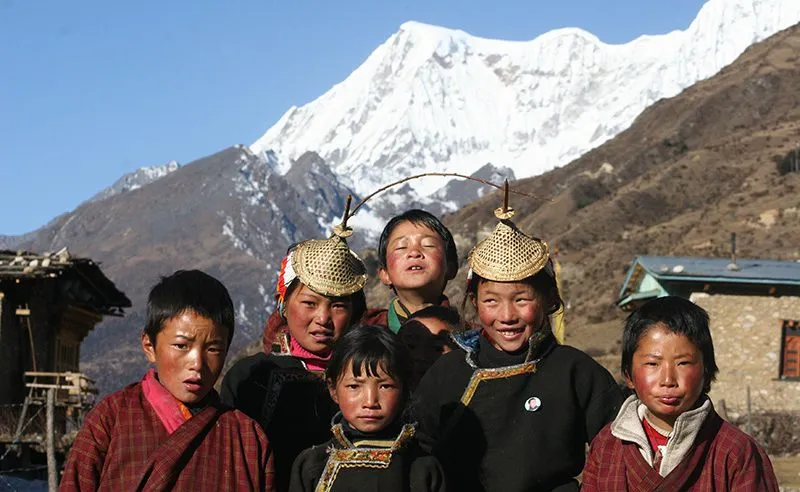
From there, it climbs steadily through the Gasa district, reaching Laya at 3,800 meters, one of Bhutan’s most isolated communities, where women wear distinctive conical bamboo hats found nowhere else in the country and yak herding remains the primary livelihood. Laya sits within the protected boundaries of Jigme Dorji National Park, Bhutan’s largest national park, which covers the entire northern trekking corridor.
After a rest day in Laya, the route heads north across Gangla Karchung La into Lunana, a region so remote that the Bhutanese government restricts access with a mandatory special inner-line permit.
No independent trekking is permitted anywhere in Bhutan; all travel must be arranged through a licensed operator registered with the Tourism Council of Bhutan. Thanza, the largest village in Lunana, sits at 4,000 meters and holds fewer than 200 permanent residents. It is reachable only on foot. A rest day here is built into the itinerary before the trek enters its hardest and most consequential section.
Passes between Thanza and the southern exit cross above 4,900 meters on consecutive days at Tshochena, Jichu Dramo, and Chukarpo, among the highest camp elevations on the entire route.
The route crosses five passes above 5,000 meters in total. Weather windows on these high crossings are narrow, and the physical demands compound daily. Most failed attempts on the Snowman Trek turn back in this section.
Trekkers who push through emerge at Thampe Tsho, a glacial lake at high altitude, before the long descent through Maurothang and Sephu back to the Bhutanese road network.
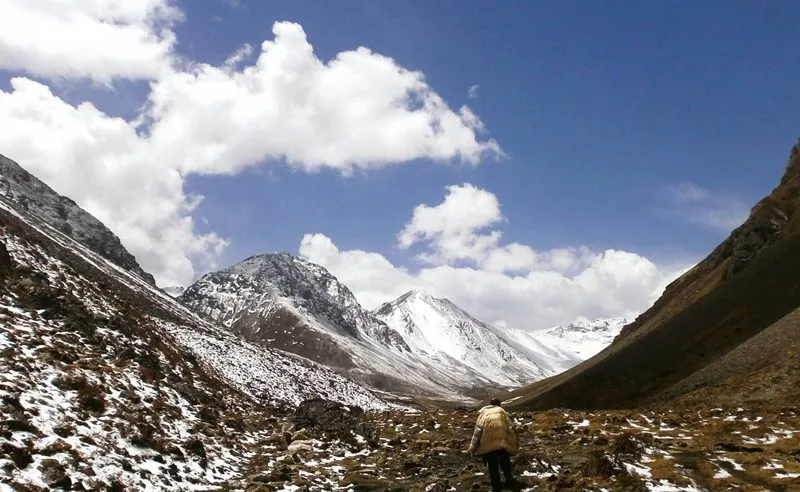
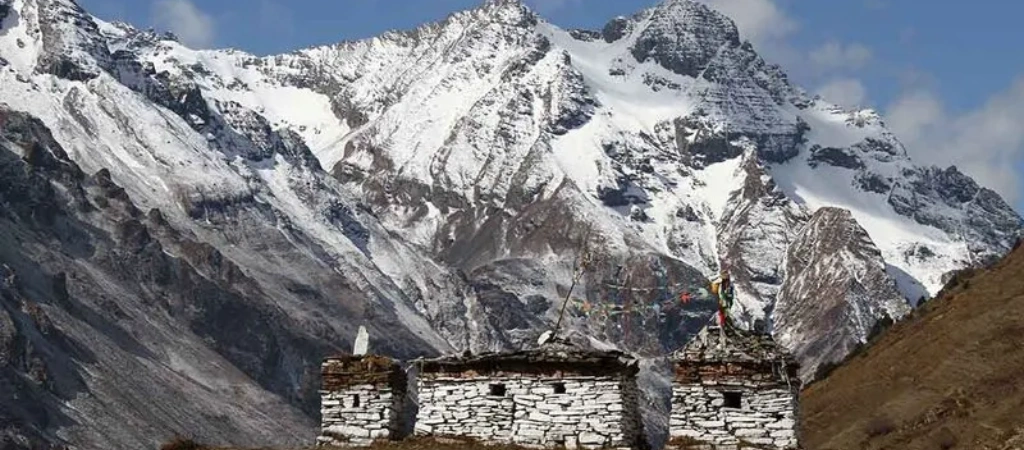
Throughout the crossing, the landscape shifts between glacial valleys, high-altitude tundra, rhododendron forest, and yak pastures.
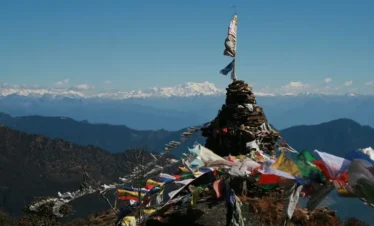
The route overlooks some of Bhutan’s most celebrated peaks: Jomolhari at 7,326 meters, Jichu Drake at 6,662 meters, Masangang at 7,194 meters, and Gangkar Puensum, the highest unclimbed mountain on Earth.
Snow leopards are recorded in this corridor. Black-necked cranes, a protected species, winter in the lower Lunana valleys from late October onward.
Recently, breeding pairs have also been recorded at higher elevations within the Lunana region.
The trek closes with a cultural return through Punakha and Thimphu and a final night in Paro, concluding with the Tiger’s Nest hike. This single itinerary moves from the most remote corner of the kingdom to its most iconic site.
TourinBhutan has been operating in Bhutan since 2008, and our trek leader, Karma Yarden, has walked the Snowman route himself. He is a TCB-licensed Bhutanese guide who personally handles departures and fully supports them from the first permit to the final camp.
20-Day Snowman Trek Itinerary
Your journey begins when you arrive at Paro International Airport, where our guide will be waiting to welcome you and help you settle into Bhutan. Once you’ve cleared immigration and collected your bags, you’ll set off on the drive to Thimphu, the capital. It’s an unwinding hour along the Paro Valley and the Pa Chhu River, through terraced fields, serene villages, and forested hillsides that give you your first real taste of Bhutan.
Once you’re in Thimphu, settle into your hotel and unwind for the remainder of the day. Take a quick evening walk around Thimphu before dinner, then return to the hotel to rest and get ready for the next day.
Overnight: Hotel in Thimphu
After breakfast, you’ll leave the capital in the morning and head for Punakha. The route ascends through forest until you reach Dochula Pass, a popular stop for its 108 chortens and, on a clear day, for incredible views of the Himalayan range. From there, it descends into the milder Punakha Valley through pine forests.
Along the way, next you will visit Chimi Lhakhang, the temple built in memory of the “Divine Madman,” Lama Drukpa Kunley. You’ll arrive in Punakha with time to check in and relax for the evening.
The following day, the journey continues toward Laya as the road leaves the main valleys and enters the more remote mountain landscapes of northern Bhutan.
Overnight: Hotel in Punakha
Today takes you from Punakha to Laya, your entry point into the remote northern mountains of Bhutan. After breakfast, you begin the journey with approximately 5 hours of driving through increasingly rugged, mostly forested hills and mountain landscapes, following rivers and remote roads.
Some sections may require military clearance, which your guide will coordinate as part of the journey. Once the road ends, you continue on foot for approximately 2 hours toward Laya, marking the beginning of the trekking experience.
The trail leads through mountain terrain and gradually brings you to Laya, located at around 3,800 meters. Your guide will maintain a comfortable pace and allow regular breaks along the way. After reaching Laya, settle into camp, rest, and enjoy your first evening in this remote Himalayan settlement.
Overnight: Camp in Laya.
You’ll spend today in Laya, letting your body catch up with the altitude before you push higher into Lunana. At around 3,800 meters, it’s an important stop before things get more demanding. If your guide feels it’s a good idea, take a gentle walk through the village; it’s a great chance to see traditional Layap homes, meet locals, and get a sense of daily life in this unique mountain culture.
Your guide will be nearby all day to help you manage your activity and rest. Meanwhile, the team will take time to check gear and organize food and supplies for the next remote section.
Drink plenty of water, eat well, and keep things low-key; you’ll need to be in excellent shape for the trekking days to come.
Overnight: Camp in Laya
After breakfast, you’ll set off from Laya toward Rhodophu.
First, the trail descends toward the river before steadily ascending into more untamed mountainous areas. As you leave Laya behind, the landscape gradually changes from forested slopes to open alpine terrain, with rugged mountains and wide mountain valleys stretching ahead.
The trek gets harder as you go higher, so your guide will set regular breaks and maintain a steady pace. Rhodophu marks your first real step into the high mountain environment that defines this trek.
It can be a tough day, especially with the elevation gain, so give yourself time to recover once you’re in camp. When you arrive, our guide will make sure everything is ready, including a hot meal.
Overnight: Camp at Rhodophu
This day is one of the tougher days of the trek.
From Rhodophu, the trail climbs through high mountain terrain before descending into the Tarina Valley. You will cross rugged alpine landscapes and high passes, with sweeping views over the surrounding peaks and valleys. This is a long and challenging day, so an early start, a steady pace, and regular breaks are important.
Your guide will monitor the weather, trail conditions, and the group’s pace throughout the day. Once you reach Tarina, you can rest, enjoy a warm meal, and spend the night surrounded by the peaceful Himalayan landscape.
Overnight: Camp in Tarina
Today, leaving Tarina after breakfast, you’ll continue toward Woche through increasingly remote valleys and alpine terrain. As you proceed, the greenery begins to reappear, with areas of rhododendron and conifer forest lower down the trail.
You are now deep in the remote Lunana region, passing small settlements and seeing the traditional mountain lifestyle of local communities. As you approach Woche, the trail opens into a wide valley surrounded by rugged mountains.
Walk at a steady pace, take regular breaks, and watch your step on uneven sections of the trail. Once you reach Woche, settle into camp, enjoy a warm meal, and rest for the next day’s trek to Lhedi.
Overnight: Camp at Woche
Today’s route takes you from Woche to Lhedi, through remote valleys and rugged terrain with a mix of ascents and descents, forests, alpine slopes, and river valleys all featured along the way. It’s a real transition zone between the higher ground around Woche and the valleys leading down to Lhedi.
The trail has some uneven patches, so careful footing matters. Your guide will set the pace based on the terrain and how the group is doing, with plenty of chances to stop and catch your breath.
Once you’re settled into camp at Lhedi, enjoy a well-deserved meal and get some rest; tomorrow you head to Thanza, one of the key settlements in Lunana.
Overnight: Camp at Lhedi
From Lhedi, the trail follows the valley deeper into the heart of Lunana, tracing the river through rugged scenery before the landscape opens into broader highland terrain. Along the way, you might pass traditional settlements, yak herders, grazing pastures, streams, and no shortage of dramatic mountain views.
Thanza is one of the best-known stops on the Snowman Trek and an important starting point before the route climbs higher still.
Once you arrive, settle into camp and take some time to rest; our team will be preparing everything for the acclimatization day ahead.
Overnight: Camp in Thanza
Today is a key rest day in Thanza, sitting at roughly 4,000 metres, giving your body a chance to adjust before the trail climbs into much higher terrain. If your guide gives the go-ahead, take a short, easy walk around the settlement and nearby hills.
Thanza is a wonderful place to experience Lunana’s traditional highland lifestyle up close, yak herding, distinctive local architecture, and a way of life shaped entirely by altitude. Our guide will spend the day organizing gear, food, and supplies for the demanding stages ahead, and your guide will monitor how you’re adjusting to the elevation.
You stay hydrated, eat regularly, take it easy, and follow your guide’s lead so you’re thoroughly prepared for what comes next.
Overnight: Camp in Thanza
You’ll have an early start today, as this is one of the most demanding stretches of the whole trip. The trail climbs steadily into increasingly high, exposed terrain as you move into the upper reaches of Lunana, with rocky slopes, alpine valleys, and thinning vegetation the higher you go.
The elevation gain makes the trek physically demanding, so a slow, steady pace is best. Your guide will monitor how everyone is coping and schedule breaks as needed.
The weather can turn quickly up here, so keep your warm and waterproof layers within easy reach. Once you’ve made it through to the campsite near Tshochena, a hot meal and a well-deserved rest will be waiting.
Overnight: Camp near Tshochena
Continuing from Tshochena to Jichu Dramo, you’ll stay within the high alpine zone, crossing rugged terrain marked with rocky slopes, mountain lakes, and broad high-altitude valleys. The thin air at this elevation makes every step feel harder, so keep the pace slow, take regular breaks, and follow your guide’s lead throughout the day.
The scenery is well worth the effort, with vast views across the Bhutanese Himalayas and the peaks surrounding the Lunana region.
Weather can shift fast at this height, so keep your wind and rain protection handy. Once you reach Jichu Dramo, settle into camp and give yourself time to recover before the next high-altitude stretch.
Overnight: Camp at Jichu Dramo
Today continues through rugged, high-altitude terrain from Jichu Dramo to Chukarpo. You can expect exposed stretches, rocky ground, steep sections, and wide-open alpine landscapes. It’s another demanding day, and pacing yourself matters; the combination of altitude, shifting weather, and uneven ground makes the journey noticeably harder than the lower parts of the trek.
Take regular breaks and stay close to your guide, especially on the exposed or rocky sections, where the pace may be adjusted depending on how the group is managing.
Once you reach Chukarpo, settle into camp, enjoy a hot meal, and rest up for the next journey toward Thampe Tsho.
Overnight: Camp at Chukarpo
After breakfast, you’ll leave Chukarpo behind and head toward Thampe Tsho, one of the outstanding high-altitude lakes on this section of the trek. The trail crosses remote alpine terrain with rocky slopes, mountain valleys, and minimal greenery, and the scenery grows more dramatic the closer you get, with the lake framed by rugged Himalayan peaks.
Weather can change quickly at this elevation, so keep warm, waterproof clothing within reach throughout the day. Your guide will set the pace and plan rest points based on conditions and how the group is doing.
Once you reach camp near Thampe Tsho, take a moment to soak in the quiet of the surroundings and recover from the last few demanding days.
Overnight: Camp near Thampe Tsho
Today marks the start of your descent from the highest reaches of the trek, heading from Thampe Tsho toward Maurothang. As you lose altitude, the landscape starts to shift, alpine plants become more common, and the surroundings turn noticeably greener and less exposed than the high passes and lakes you’ve just left behind.
The descent brings some relief from the altitude, but the trail can still be uneven, so take care on the downhill stretches and keep a controlled pace.
Your guide will be there to help and will schedule breaks as needed. As Maurothang comes into view, the scenery turns increasingly lush and open.
Once you arrive, settle into camp, enjoy dinner, and take advantage of the lower elevation to rest properly.
Overnight: Camp at Maurothang
Your 20-day Snowman Trek comes to an end today with the trekking portion. You will travel through lower valleys that become greener with each step as you descend toward Sephu from Maurothang until you arrive at the road-access point, where your support vehicle will be waiting.
From there, we’ll drive to Wangdue Phodrang or Punakha, as per the itinerary. Leaving the remote trails behind for a road-accessible valley is a real milestone; after so many days of camping and high-altitude trekking, you’ve earned a comfortable evening, a proper meal, and a real chance to recover.
Overnight: Hotel in Wangdue Phodrang or Punakha
After breakfast, you’ll drive from Wangdue Phodrang or Punakha back to Thimphu, an effortless, scenic transition back into Bhutan’s more accessible valleys. Depending on the time, you get a chance to stop at a viewpoint or two along the way, as the road winds through forested mountains before dropping into the Thimphu Valley.
Once you check into your hotel, the rest of the day is yours to relax. After the demands of the trek, you will have earned a quiet evening and a well-deserved dinner.
Overnight: Hotel in Thimphu
After breakfast, drive from Thimphu to Paro through scenic mountain roads and peaceful valleys. The journey takes around an hour, depending on road and traffic conditions.
Once you arrive in Paro, check into your hotel and enjoy some spare time to relax after the trek.
If you feel comfortable, you can explore Paro town or visit nearby cultural sites with your guide. Keep the evening relaxed and prepare for tomorrow’s hike to the famous Tiger’s Nest (Paro Taktsang).
Overnight: Hotel in Paro
Today is all about Paro Taktsang, also known as Tiger’s Nest, Bhutan’s most iconic monastery, perched dramatically on a cliffside above the Paro Valley. Following breakfast, you will drive to the starting point and begin your hike through a pine forest. The round trip typically takes a few hours, depending on your pace and how long you linger at the monastery.
Enjoy the views as you ascend; there are some great ones. After exploring the monastery itself, you’ll head back. Then, descend to the trailhead and return to Paro.
Spend your last evening in Bhutan relaxing over a farewell dinner, having completed the Snowman Trek.
Overnight: Hotel in Paro
After your final breakfast in Bhutan, spend the time you have left before your flight unwinding or taking one last quick stroll around Paro. Our team will take you to Paro International Airport, where your guide will see you off for your departure.
Your 20-day Snowman Trek comes to a final stop here; you’ll leave Bhutan with memories of breathtaking Himalayan landscapes, remote mountain communities, high-altitude lakes, rich local culture, and one truly extraordinary trek.
Includes/Excludes
The Package Includes
- Airport pick-up and drop-off by private vehicle.
- 3-star accommodation (4 & 5 stars may require an additional premium).
- Bhutan visa fee, including all necessary processing
- Route Permit
- Three meals per day during your stay in Bhutan
- A licensed Bhutanese tour guide
- All land transportation by private vehicle
- Camping equipment and haulage for trekking tours
- Sightseeing as per itinerary
- Monument entrance fees where applicable
- Drinking water
- All internal taxes and charges
- A sustainable development fee of $100. (This sustainable development fee goes towards free education, free healthcare, and poverty alleviation, along with the building of infrastructure.)
The Package Excludes
- Airfare & Travel Insurance
- Expenses of personal nature, tips to guides and drivers
- Expenses occurred due to unavoidable events i.e. road wrecks, flight delays etc.
Trip Map
Frequently Asked Questions
Package pricing varies based on group size, departure date, and accommodation preferences. Contact our team directly for a current quote. All pricing fully includes the Sustainable Development Fee of USD 100 per person per night.
The services that are included are all accommodation, all meals, a TCB-licensed guide, camping equipment, a kitchen crew, porters, all permits, visa processing, SDF, internal transportation, and the Tiger's Nest entrance fee. Excluded are international airfare, travel insurance, personal gear, tips, and costs arising from weather delays or medical evacuation.
This Snowman Trek in Bhutan is very difficult. This route spends extended days, crosses 11 passes above 4,000 meters, and camps at nearly 5,000 meters. Prior high-altitude trekking experience above 3,500 meters is required. No technical climbing skills are needed.
The best season for the Snowman Trek Bhutan is in Late September through October, which is the primary season for stable weather, dry passes, and clear skies. Late June through August is the secondary season, viable but wetter at lower elevations.
Daytime temperatures at high camps range from 5 to 15 degrees Celsius. Night temperatures above 4,500 meters drop to between 10 and 20 degrees Celsius. On cold nights, temperatures at the Chukarpo camp, which is situated at 4,950 meters, can fall below minus 20 degrees. A sleeping bag rated to minus 20 degrees is mandatory.
Flights are not included in the package. Druk Air and Bhutan Airlines are the only carriers authorized to operate at Paro International Airport. Our team can assist with flight coordination as an optional add-on.
All trekking nights are fully tented camping, with two-person mountain tents rated for sub-zero temperatures. Hotel accommodation is provided in Thimphu, Punakha, and Paro on the non-trekking days.
You can contact our team directly to begin the booking process. A deposit is required to secure the departure date and begin permit processing. Full payment is due eight weeks before departure. Cancellation policies vary by departure date and are confirmed at the time of booking; contact us for current terms.
Yes, mandatory. The policy must include emergency medical coverage and helicopter evacuation to a minimum of 5,000 meters. Standard policies frequently exclude high-altitude trekking; confirm altitude coverage explicitly with your insurer.
Very fit. The route requires six to eight hours of hiking per day on consecutive days at altitude. Begin a structured training program at least four months before departure, including long-distance hiking with elevation gain and cardiovascular endurance work.
You need a Bhutan visa, a trekking permit, a Jigme Dorji National Park permit, and a Lunana restricted area permit. Our team arranges every permit in full; trekkers are not required to handle any permit logistics independently.
All departures are fully private. Your group, your guide, your schedule. A minimum of one trekker is required, but there is no maximum group size, although logistics are optimized for groups of two to eight.
Personal trekking gear, including boots, a sleeping bag rated to minus 20 degrees, a layered clothing system, a daypack, trekking poles, a headlamp, a power bank, and a personal first aid kit. See the full gear checklist above.
All meals are included throughout, including breakfast, packed lunch, and cooked dinner daily on trek days, prepared by a dedicated Bhutanese kitchen crew. Dietary requirements flagged in advance are accommodated.
The route is non-technical; no ropes, fixed lines, or climbing equipment are required. The difficulty is physical and altitude-related rather than technical. All terrain is walkable with appropriate footwear and trekking poles.
Fewer than 200 trekkers complete the Snowman Trek successfully each year. Weather, altitude illness, and physical exhaustion are the primary reasons for incomplete attempts. Our guided departures have a strong completion record; contact our team for specifics.
No. This route is not suitable for beginners or first-time Himalayan trekkers. Prior experience above 3,500 meters on a multi-day route is the minimum requirement.
Addition Trekking Info
Cost of Snowman Trek Bhutan Package
The Snowman Trek in Bhutan is a private, high-altitude expedition that requires detailed planning and customized arrangements. Since we tailor every departure to the trekker’s requirements, the final cost depends on multiple factors, including:
- Number of trekkers joining the expedition
- Preferred travel dates and trekking season
- Accommodation category before and after the trek
- Private group size and customized itinerary requirements
- Additional services or special arrangements
- Flight assistance and extra travel arrangements in Bhutan
The Snowman Trek is not a fixed group departure with a standard price. Every expedition requires individual arrangements, including restricted area permits, licensed Bhutanese guides, camping logistics, kitchen crew, transportation, and high-altitude support.
To provide an accurate quotation, our team will first understand your trekking experience, preferred dates, group size, and travel requirements. We will then prepare a personalized Snowman Trek Bhutan itinerary with a detailed cost breakdown and inclusions.
There is no obligation to book. Our trekking specialists will help you plan the right expedition based on your expectations, experience level, and budget.
Snowman Trek Bhutan Route
Paro → Thimphu → Punakha → Laya → Rhodophu → Tarina → Woche → Lhedi → Thanza → Tshochena → Jichu Dramo → Chukarpo → Thampe Tsho → Maurothang → Sephu → Wangdue Phodrang/Punakha → Thimphu → Paro
The 20-Day Snowman Trek Bhutan route begins in Paro and passes through Bhutan’s cultural centers of Thimphu and Punakha before reaching Laya, the gateway to the remote northern mountains. From Laya, the trail enters the heart of the Snowman Trek, crossing rugged valleys and high mountain passes through Rhodophu, Tarina, Woche, Lhedi, and Thanza.
The route then continues through the high-altitude terrain of Tshochena, Jichu Dramo, Chukarpo, and Thampe Tsho before descending toward Maurothang and Sephu.
After completing the trekking section at Sephu, the journey returns by road through Wangdue Phodrang and Punakha, continuing to Thimphu and Paro.
This route combines Bhutan’s remote Laya and Lunana landscapes with cultural sightseeing before and after the trek, creating a complete Himalayan journey from western Bhutan to the country’s isolated northern valleys and back.
Who Can Do the Snowman Trek?
The Snowman Trek in Bhutan is designed for experienced trekkers who have completed multi-day high-altitude routes and are comfortable spending consecutive nights above 4,000 meters in fully tented conditions.
Prior experience on routes such as the Everest Base Camp trek, Annapurna Circuit, or equivalent long-distance Himalayan treks is the minimum recommended baseline.
Trekkers should be capable of walking six to eight hours per day on uneven terrain, carrying a light daypack, and managing their physical and psychological condition through extended periods of remoteness.
This is not a trek for beginners, casual hikers, or anyone without genuine high-altitude experience. The combination of sustained altitude, remote terrain, limited evacuation options, and consecutive high-pass days makes the Snowman one of the most demanding long-distance treks anywhere in the Himalayas.
Age is not a barrier provided fitness and experience are present; trekkers in their sixties have completed the route with the right preparation. Before committing to the itinerary, you should focus on cardiovascular fitness, mental resilience, and honest self-assessment.
Our team is available to assess your experience level and advise you on whether this route is the right fit before you confirm any booking.
Best Time for the Snowman Trek
The best time for the Snowman Trek in Bhutan depends on the exact route and current trail conditions. The main trekking window generally falls from June or July through October, with September and October often offering more stable conditions.
High passes can still have snow, and weather conditions may affect the itinerary. Always confirm the departure period and trail conditions with your trekking operator before booking.
| Season | Months | Conditions | Recommendation |
| Spring | April–May | Mild weather at lower elevations, blooming rhododendrons, and generally better trail conditions | Best time |
| Summer / Monsoon | June–August | Frequent rain, cloudy skies, wet trails, and possible landslides | Not recommended |
| Autumn | September–October | Clearer skies, good mountain views, and generally stable weather | Best time |
| Winter | November–March | Very cold temperatures, heavy snow, and difficult high-pass conditions | Not recommended |
Weather, Temperature, and Climate
The Snowman Trek in Bhutan passes through multiple climate zones over 20 days, from subtropical valley floors at 1,310 meters in Punakha to fully alpine terrain above 4,900 meters in Lunana.
In autumn, daytime temperatures at trekking altitudes range from 10 to 18 degrees Celsius at lower camps, dropping to minus 5 to minus 15 degrees Celsius at night above 4,500 meters. The Chukarpo camp at 4,950 meters can drop below minus 20 degrees Celsius on cold autumn nights, and wind chill amplifies the effective temperature significantly.
In summer, daytime temperatures are warmer across all elevations, but afternoon clouds and rain are common below 3,500 meters. The Lunana plateau sits in a rain shadow that moderates monsoon impact at high altitude, but weather can deteriorate without warning, and pass crossings must be attempted in morning windows before afternoon clouds build.
Trekkers should be equipped for the full temperature range of the route regardless of season.
Food During the Snowman Trek
Our trekking support team prepares meals during the camping section to provide sufficient energy for long and demanding trekking days. Breakfast is served at camp before starting the day’s trek, while lunch may be prepared at camp or provided as a packed meal depending on the day’s route and logistics.
Dinner is served at camp after reaching the day’s destination. Meals generally focus on filling and practical trekking food, with a combination of local and familiar dishes depending on the package and available supplies. Vegetarian and other dietary requirements can generally be arranged when communicated in advance.
Trekkers should also carry personal energy snacks such as nuts, chocolate, energy bars, or other preferred snacks for the trail.
Accommodation During the Snowman Trek
Hotel Accommodation
Before and after the trekking section, guests stay in comfortable 3-star hotels in Thimphu, Punakha/Wangdue Phodrang, and Paro. These hotel stays provide a comfortable base for sightseeing, rest, and preparation before entering the remote mountains, as well as a place to recover after completing the trek.
Hotel accommodation is selected according to availability and the standards included in your Snowman Trek package in Bhutan.
Camping Accommodation
From Laya through the high-altitude trekking section to Sephu, accommodation is provided in quality trekking tents at carefully selected remote mountain campsites.
Trekkers sleep in tents with suitable sleeping arrangements, while the trekking crew manages the camp setup and daily logistics. A dedicated dining and camp area is arranged where possible, allowing guests to enjoy warm meals and rest after long days on the trail.
The support crew helps with essential camp operations, making it possible to trek through the isolated landscapes of Laya and Lunana without relying on permanent mountain lodges.
Transportation
Transportation on the 20-Day Snowman Trek in Bhutan is a combination of private road transfers and trekking, with vehicles used before and after the remote mountain section. Your journey begins with an airport transfer from Paro International Airport to Thimphu, followed by the cultural tour transfer from Thimphu to Punakha.
From Punakha, the journey continues by road toward Laya, where the trekking section begins. Once you start trekking, there is no regular road transportation from Laya to Sephu; this remote section is completed on foot through the high-altitude valleys and mountain passes of the Snowman route.
After reaching Sephu, a vehicle transfer resumes, taking you toward Wangdue Phodrang/Punakha and then Thimphu. The final journey is by road from Thimphu to Paro, followed by your transfer to Paro International Airport for departure.
This arrangement clearly separates the road-transfer sections from the main trekking portion of the journey.
Snowman Trek Difficulty
The Snowman Trek is a challenging journey. It’s meant for fit, experienced trekkers who’ve already put in multiple days walking in the mountains, not for learning. You’ll be crossing remote valleys and high passes, with long days, steep ups and downs, rough trails, and weather that can turn on you fast. It’s a much bigger ask than your average Bhutan tour.
You should be able to walk several hours a day with a daypack and roll with whatever the trail throws at you. If you’ve trekked at high altitude before, that experience will be especially helpful, particularly around the passes and alpine lakes.
A well-paced itinerary, solid acclimatization time, a good guide, and a reliable crew all help, but you’ll still need to show up ready for a real physical challenge.
Acclimatization and Rest Days
Acclimatization is an important part of the 20-Day Snowman Trek Bhutan itinerary because the route reaches high elevations and includes several demanding mountain sections. The itinerary includes dedicated rest and acclimatization days in Laya and Thanza, allowing trekkers to recover from previous walking days and prepare for higher elevations ahead.
These days are not simply breaks from the trek; they provide valuable time to rest, explore the surrounding settlements, take short acclimatization walks, and allow the body to adjust gradually to the altitude. Your trekking guide monitors the group throughout the journey and can recommend changes to the pace or daily plan when necessary.
Staying hydrated, eating well, sleeping sufficiently, and maintaining a steady walking pace are also important for adapting to high altitude.
Snowman Trek Bhutan Packing List
- Trekking boots: Waterproof, comfortable, and well broken-in with good ankle support.
- Trekking clothes: Lightweight trekking pants, shirts, and comfortable hiking clothing.
- Thermal base layers: Thermal tops and bottoms for cold mornings and high-altitude nights.
- Warm insulating layer: Fleece or down jacket for colder sections.
- Waterproof jacket and pants: Essential for rain, wind, and possible snow.
- Warm hat and gloves: Useful for cold mornings, evenings, and high passes.
- Sun hat or cap: Protection from strong high-altitude sunlight.
- Warm sleeping bag: Suitable for cold nights during wilderness camping.
- Trekking poles: Helpful on steep ascents, descents, and uneven trails.
- Daypack: Comfortable pack for carrying daily essentials, water, snacks, and extra layers.
- Water bottles or hydration system: Carry sufficient drinking water for each trekking day.
- Sunglasses: Choose good-quality UV protection suitable for high-altitude conditions.
- Sunscreen and lip balm: Protect exposed skin from strong mountain sun and dry air.
- Headlamp: Essential for early starts, evenings, and movement around camp.
- Personal first-aid kit: Include personal medicines and basic trekking supplies.
- Waterproof bags or dry bags: Keep clothing, documents, electronics, and other valuables dry.
- Toiletries and personal hygiene items: Carry lightweight, travel-sized essentials.
- Quick-dry towel: Useful during the camping section.
- Power bank and charging accessories: Helpful where regular electricity may not be available.
- Personal snacks: Energy bars, nuts, chocolate, or other preferred high-energy snacks.
- Travel documents: Passport, visa/entry documents, insurance details, and important copies.
- Reusable water bottle: Useful for reducing single-use plastic during the trek.
- Small backpack rain cover: Provides additional protection during wet weather.
Permits and Travel Requirements
The Snowman Trek in Bhutan requires the appropriate Bhutan entry documentation and trekking-related permits for the planned route. International travelers generally need a valid passport and Bhutan visa clearance before entering the country, while applicable government fees must be paid according to current regulations. The trekking operator handles the necessary route and entry arrangements as part of the trip preparation. Your passport should remain valid for the required period, and you should carry copies of important travel documents during the journey. Travel insurance with high-altitude trekking and emergency evacuation coverage is strongly recommended. Because Bhutan’s entry rules, fees, and trekking regulations can change, you should check all requirements against the latest official information before departure.
Safety and Guide Support
Safety is a priority throughout the Bhutan Snowman Trek, particularly because the route passes through remote terrain where access to roads and medical facilities is limited. An experienced local trekking guide leads the group, monitors trail and weather conditions, and helps manage the pace and daily schedule.
The support crew assists with camp operations, meals, luggage, and other essential trekking logistics. Guides also monitor trekkers for signs of altitude-related problems and can recommend rest, descent, or itinerary adjustments when conditions require it.
Trekkers should communicate openly with the guide about how they are feeling and follow safety instructions throughout the journey.
Appropriate insurance covering high-altitude trekking and emergency evacuation is an important part of preparing for this remote adventure.
Tips for the Snowman Trek
- Train before the trek: Build your endurance with regular hiking, uphill walking, and multi-hour training sessions.
- Break in your trekking boots: Wear your boots before the trip to make sure they are comfortable and suitable for long walks.
- Pack for changing weather: Bring proper clothing for cold, rain, wind, and possible snow at higher elevations.
- Walk at a steady pace: Avoid rushing, especially on steep climbs and high-altitude sections.
- Stay hydrated: Drink plenty of water throughout the day to help your body adjust to the altitude.
- Eat regularly: Have enough meals and carry energy snacks to maintain your strength during long trekking days.
- Use layers: Dress in layers so you can easily adjust to changing temperatures.
- Protect your gear: Use waterproof bags or covers to keep clothing, documents, and electronics dry.
- Stay flexible: Weather and trail conditions can affect high-pass crossings and daily schedules, so be prepared for changes.
- Respect local culture: Respect local communities, Bhutanese customs, traditions, and religious sites.
- Protect the environment: Carry your waste with you and help keep the remote mountain trails clean.
- Follow your guide: Listen to your guide’s advice and follow safety instructions throughout the trek.
- Report problems early: Tell your guide immediately if you feel unwell, unusually tired, or experience altitude-related symptoms.
Physical and Mental Preparation
The Snowman Trek in Bhutan demands a structured preparation program beginning at least four months before departure. Cardiovascular fitness, leg strength, and altitude tolerance are the three primary physical requirements.
Mental preparation, which includes the ability to stay focused, positive, and self-managing during extended periods of physical stress and remoteness, is equally important and often underestimated.
- Begin a structured aerobic training program four to six months before departure
- Incorporate long-distance hiking with significant elevation gain at least twice per week
- Build to back-to-back long hiking days, training the body for consecutive exertion days
- Complete at least one multi-day trek above 3,500 meters in the six months before departure
- Strengthen leg muscles with step training, lunges, and weighted hiking
- Practice hiking with a daypack of eight to ten kilograms to simulate trail conditions
- Consult your doctor about altitude medication, including Diamox, before departure
- Maintain consistent hydration habits; begin the practice of drinking three liters of water daily before the trek starts
- Establish a sleep discipline before departure; rest quality at altitude is a performance factor
- Prepare psychologically for extended remoteness; discuss the route honestly with yourself and your team before committing
Travel Insurance
Comprehensive travel insurance is mandatory for the Snowman Trek Bhutan and must be arranged independently before departure. The policy must include emergency medical coverage, high-altitude helicopter evacuation to a minimum of 5,000 meters, trip cancellation and interruption coverage, and coverage for the full duration of the itinerary.
Standard travel insurance policies frequently exclude high-altitude trekking above 4,000 meters; read your policy carefully and confirm altitude coverage explicitly with your insurer before purchasing.
Helicopter evacuation from the Lunana region costs between USD 3,000 and USD 8,000 depending on location and conditions and is not covered by the trek package.
Our team establishes helicopter contact before every departure and can coordinate evacuation logistics, but the cost is the trekker’s responsibility and must be covered by insurance.
Altitude Sickness and Prevention
Altitude sickness is a genuine risk on the Snowman Trek in Bhutan, which spends extended days above 4,000 meters and camps at nearly 5,000 meters.
The itinerary is structured with two acclimatization rest days at Laya on Day 7 and Thanza on Day 13, and the gradual altitude gain through Gasa and Laya is designed to allow progressive adaptation. However, individual response to altitude varies significantly and cannot be fully predicted in advance.
Symptoms to monitor:
- Persistent headache not relieved by hydration or paracetamol
- Nausea or vomiting
- Dizziness or loss of coordination
- Unusual fatigue disproportionate to exertion
- Loss of appetite
- Difficulty sleeping at altitude
- Dry cough or shortness of breath at rest
- Confusion or disorientation, a serious warning sign requiring immediate descent
Prevention:
- Ascend gradually, follow the itinerary, and do not attempt to accelerate above the planned schedule
- Drink a minimum of three liters of water daily, increasing above 4,000 meters
- Avoid alcohol for the first several days and minimize consumption throughout
- Consult your doctor about Diamox before departure; prophylactic use from Day 5 onward is common on this route
- Sleep at lower altitudes where possible; the itinerary accounts for this on several days
- Communicate symptoms to your guide immediately; guides are trained in altitude assessment and carry supplemental oxygen
- Descend without delay if symptoms worsen; no summit or camp is worth a serious altitude illness event
Emergency and Medical Evacuation
Every Snowman Trek Bhutan departure managed by our team includes a preplanned emergency evacuation protocol. Helicopter evacuation contact is confirmed before the trek begins, and our guides carry satellite communication devices for use in the Lunana region, where mobile coverage is absent.
In the case of a medical emergency requiring evacuation, our team coordinates with helicopter operators in Thimphu and with the nearest Bhutanese health post for ground-level support.
Evacuation from the Lunana region is logistically complex; weather windows are required for helicopter operations, and ground evacuation to the nearest road can take two to three days depending on location on the route.
This is why comprehensive travel insurance with helicopter evacuation coverage to 5,000 meters is mandatory, not optional. Our guides are trained in wilderness first aid and altitude illness assessment and carry a basic medical kit including supplemental oxygen, on every departure.
Guide and Porter for Snowman Trek, Bhutan
Every Snowman Trek Bhutan departure includes a TCB-licensed, locally trained Bhutanese head guide assigned specifically to the group for the full 20 days. Our guides are selected for their knowledge of the Snowman route, their altitude experience, their wilderness first aid training, and their capacity to read both terrain and trekker conditions accurately.
The head guide will support you with a dedicated kitchen crew, a cook and kitchen assistant, a porter, and a pack animal team sized for the group. Porters carry all camping and kitchen equipment. Trekkers have to carry only their personal daypack on the trail.
Tipping is not included in the package price and is at the trekker’s discretion. Our team guides appropriate amounts before departure.
Important Notes
- The Snowman Trek Bhutan is classified as a restricted route requiring advance permit clearance; bookings must be confirmed at least three months before departure, and six months is strongly recommended for autumn departures
- All international visitors to Bhutan are required to pay the Sustainable Development Fee of USD 100 per person per night; this is fully included in the package price
- Independent trekking is not permitted in Bhutan; all trekkers must be accompanied by a licensed guide at all times on the route
- The Lunana restricted area permit adds processing time; our team requires passport copies and booking confirmation at least eight weeks before departure to begin permit processing
- Travel insurance with helicopter evacuation coverage to 5,000 meters is mandatory and must be arranged before departure
- The route is not suitable for trekkers without prior high-altitude experience above 3,500 meters; our team reserves the right to advise against booking for trekkers who do not meet the experience threshold
- Weather can close high passes without warning; the itinerary includes buffer days, but extended weather delays may affect the schedule, and no refunds are issued for delays caused by weather
- Mobile coverage ends at Laya on Day 6; trekkers should inform family and contacts of the communication blackout before departure
- Pack animal availability in Lunana is seasonal and occasionally limited; our team manages logistics in advance, but flexibility may be required
- The Tiger’s Nest hike on Day 22 requires a separate entrance fee, which is included in the package price
Why Book the Snowman Trek With Us?
We at Tour in Bhutan have prepared this Snowman Trek for adventure seekers like you. Our team has operated trekking departures in Bhutan since 2008 and has firsthand experience managing Snowman Trek logistics, permits, high-altitude safety procedures, and evacuation planning.
Route information is reviewed regularly to ensure accuracy regarding permits, regulations, seasonal conditions, and Sustainable Development Fee requirements.
- TCB-licensed Bhutanese operator with over a decade of experience guiding the Snowman route
- Every guide is locally trained, certified, and assigned specifically to match the group’s pace and experience
- Full camping infrastructure, including a kitchen tent, dining tent, sleeping tents, and a dedicated cook
- All permits handled in full: Bhutan visa, trekking permit, national park entry, and Lunana restricted area clearance
- Emergency evacuation protocol in place for every departure, with helicopter evacuation contact established before the trek begins
- Sustainable Development Fee fully included, no hidden government charges
- Completely private departures, your group, your schedule, your pace
- Direct contact with our team throughout planning, preparation, and on-trek communication via satellite where available
Book Your Snowman Trek Bhutan Expedition
The Snowman Trek in Bhutan is one of the world’s most challenging and rewarding Himalayan adventures.
Due to its restricted route, limited trekking season, permit requirements, and complex logistics, planning is essential.
Whether you are planning a private expedition with friends, a personal Himalayan challenge, or a once-in-a-lifetime adventure through Bhutan’s remote northern valleys, our team will help create a trekking experience designed around your goals.
Trip Reviews
Posted on Google![Google]()
![Amees Florence profile picture]() Amees Florence
Amees FlorenceTrustindex verifies that the original source of the review is Google.
Posted on Google![Google]()
![Ravi Jaisi profile picture]() Ravi Jaisi
Ravi JaisiTrustindex verifies that the original source of the review is Google.
Posted on Google![Google]()
![Silent Shadow profile picture]() Silent Shadow
Silent ShadowTrustindex verifies that the original source of the review is Google.
Posted on Google![Google]()
![Bishnu Gaire profile picture]() Bishnu Gaire
Bishnu GaireTrustindex verifies that the original source of the review is Google.
Posted on Google![Google]()
![Tena Rosser profile picture]() Tena Rosser
Tena RosserTrustindex verifies that the original source of the review is Google.
Experiencing Bhutan and it’s people and it’s culture and tradtions is a beautiful travel experience in itself. It’s a magical journey into the land high up in the Himalayas. We were lucky that we found this company ‘Happiness Drukyul Holidays’ who were completely flexible, professional and up to the mark. Mr. Sonan, our guide did his job well and introduce to Bhutan’s unique culture and traditions. We learnt more of Buddhism from him. Highly recommended & thank you for this beautiful holiday experience.Posted on Google![Google]()
![Landslake Chef profile picture]() Landslake Chef
Landslake ChefTrustindex verifies that the original source of the review is Google.
We did a 6 day tour with our guide Sonam. He was extremely helpful, very knowledgeable about the history and culture of Bhutan and overall friendly and relaxed. Highly recommended.