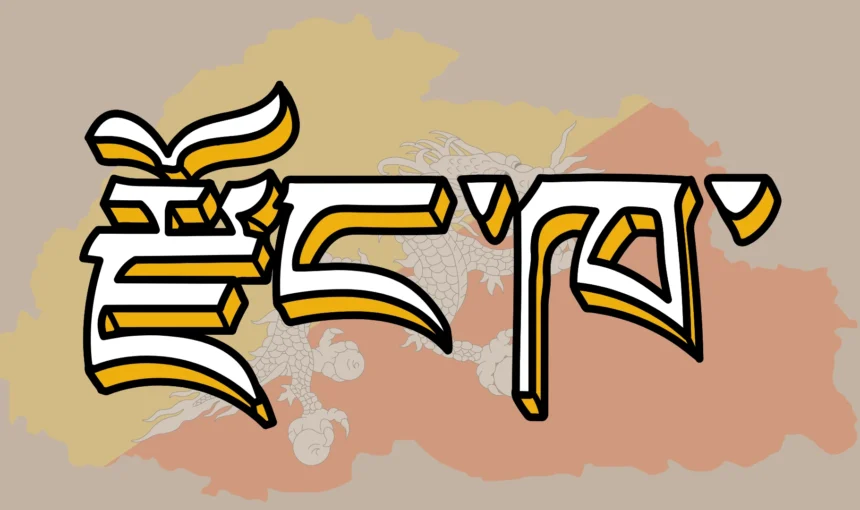
Dzongkha is the national language of Bhutan. It has about 160,000 native speakers and about 470,000 second-language speakers. It’s mainly spoken in the districts of Thimphu, Paro, Haa, Chukha, Wangdue Phodrang, Punakha, and Gasa.
Dzongkha is the most common language in the west of Bhutan, and Tshangla is in the east. Whether you are visiting Paro, Thimphu, Punakha, Bumthang, or the remote valleys of Bhutan, knowing simple greetings and everyday expressions can make interactions more enjoyable and respectful.
This guide introduces useful Bhutanese words, common travel phrases, greetings, numbers, food-related terms, transportation vocabulary, and essential expressions that every traveler should know.
Useful Dzongkha Words and Phrases
While English is widely spoken throughout Bhutan, learning a few basic Dzongkha words and phrases can make your travel experience more enjoyable and meaningful. Dzongkha is Bhutan’s official language and is commonly spoken in western regions such as Thimphu, Paro, Punakha, Wangdue Phodrang, Haa, Chukha, and Gasa.
Using simple greetings like “Kuzu zangpo la” (Hello) or “Kadrin chhe la” (Thank you) is a great way to show respect for Bhutanese culture and connect with local people.
Whether you’re shopping in local markets, ordering food, asking for directions, or interacting with your guide and hosts, these useful Bhutanese phrases can help you communicate more confidently during your journey.
Travel Tip: Adding “la” at the end of a phrase makes it more polite and respectful, which is appreciated in Bhutanese culture.
The following list includes some of the most useful Dzongkha greetings, travel expressions, food-related terms, transportation vocabulary, and everyday phrases that visitors may find helpful while traveling in Bhutan.
| English | Dzongkha |
|---|---|
| Greetings & Introductions | |
| Hello (formal) | Kuzu zangpo la |
| Hello (informal) | Kuzu zangpo |
| Nice to meet you | Nga choe da chebay sem ga yi |
| How are you? | Gaday bay Zhui? |
| I’m fine | Legshom / Legshom bay rang yoey |
| What is your name? | Chhoe gi ming ga chi mo? |
| My name is _____ | Nga gi ming _____ in |
| I am from _____ | Nga _____ lay in |
| Thanks & Responses | |
| Thank you | Kadrin chhe la / Namey samey kadrin chhe la |
| You are welcome | Jembalaekso |
| Well-Wishes & Farewells | |
| Good luck / Best wishes | Tashi delek |
| See you later (informal) | Shu lay log jay gae! or Tama che gae |
| See you tomorrow | Naba che gae |
| Questions & Common Words | |
| Where? | Gatey? |
| How much? | Gadem chi mo? |
| What is the problem? | Chhoe gi Ka Ngyel ga chi mo? |
| Where is the bank? | Ngyul Khang Gathey mo? |
| No problem | Khe mi |
| Sorry | Tsip maza / Gom mathrae |
| Excuse me | Atsi zur nang |
| Time Units | |
| o’clock | baza |
| 8 o’clock | baza gyed |
| ___ minute(s) | karma ___ |
| ___ hour(s) | chu tshoe ___ |
| ___ day(s) | zha ___ |
| ___ week(s) | duenthra ___ |
| ___ month(s) | dhaw ___ |
| ___ year(s) | lo ___ |
| Days of the Week | |
| Monday | Migmar |
| Tuesday | Lhakpa |
| Wednesday | Phurbu |
| Thursday | Pasang |
| Friday | Pemba |
| Saturday | Nima |
| Sunday | Dawa |
| Months (International) | |
| January–December | indha dangpa, nyipa, sumpa, zhipa, ngapa, drupa, duenpa, gaypa, gupa, chupa, chuchipa, chunyipa (prefix “indha”) |
| Time Expressions | |
| Today | Dhari |
| Yesterday | Khatsa |
| Tomorrow | Naba |
| Now | Dhato |
| Colors | |
| Green | Changkha |
| Red | Marp |
| White | Karp |
| Blue | Hoem |
| Black | Naap |
| Yellow | Serp |
| Orange | Leewang |
| Animals | |
| Bird | Ji chu |
| Cat | Ji ley |
| Chicken | Jum |
| Cow | No |
| Dog | Ro che |
| Fish | Nya |
| Frog | Baep |
| Horse | Taa |
| Pig | Phap |
| Turtle | Ru bel |
| Other Useful Phrases | |
| Where is the toilet? | Chhabsa gathey mo? or Chhab sang gatey in-na la? |
| Taxi | La khor |
| Fare | La |
| Lodging | Goen Chim |
| How much is this? | Teru ga they chi mo? or Ngultrum ga them chi mo? |
| May I please have _____ | _____ Zhu gay may |
| No, thank you | Me ju (mizu) |
| Meal | Toh / zhay go |
| Already eat? | Toh zhey ga la? |
| Delicious | Zhim bay |
| Bitter | Khag tae |
| Sweet | Ngam |
| Sour | Chup |
| Water | Chu |
| Tea | Ja |
| Butter tea | Su ja |
| Curry | Tsoem |
| Soup | Thup |
| Chilly | Ema |
| Cheese | Datsi |
| Cook | Toh bey ni |
| Eat | Zhey |
| Dry Chilli | Ema kam |
| Potato | Kewa |
| Maize | Gayza |
| Alcoholic Beverage | Changg |
| Bar | Changkhang |
| Tip | Soera |
| What’s the bill? | Ga de chi mo? |
| Local Drink | Ara |
| It is strong (spirit) | Ah ni ngag tra du. |
| It is mild | Lha si si du. |
| Shop | Tsongkhang |
| Discount please! | Gong phab nang! |
| What is this? | Ani ga chi mo? |
| Car | Numkhor |
| Drive | Numkhor tang ni |
| Licence | Lak Kher |
| Police | Thrim sung |
| Road | Lam |
| High speed | Joba joba / shuk bay tang |
| Low speed | Drogay bay tang |
| Please take caution! (driving) | Reb drim di tang |
| Let’s go! | Jogay! |
| Stop | Numkor kag nang |
| Risky | Ngyen khag |
| Here | Nalu |
| There | Phalu (h is silent) |
| Right | Yaechhog |
| Left | Yoenchhog |
| Straight | Thrang Dhi |
| Go back / U-turn | Lok Loni |
| Front | Dong kha |
| Behind | Jab kha |
| Next to | Bolo kha |
| Far away | Tha ringsa |
| Is it far? | Tha ring sa in‑na? |
| Where does this road lead? | Lam gathey jo mo? |
| Please fill up gas full | Petrol tem teau bae tsuk nang la |
| Boy | Butsh (t is silent) |
| Girl | Bum (boom) |
Planning a Trip to Bhutan?
Now that you’ve learned some useful Dzongkha words and phrases, why not experience Bhutan’s rich culture, breathtaking landscapes, and warm hospitality in person?
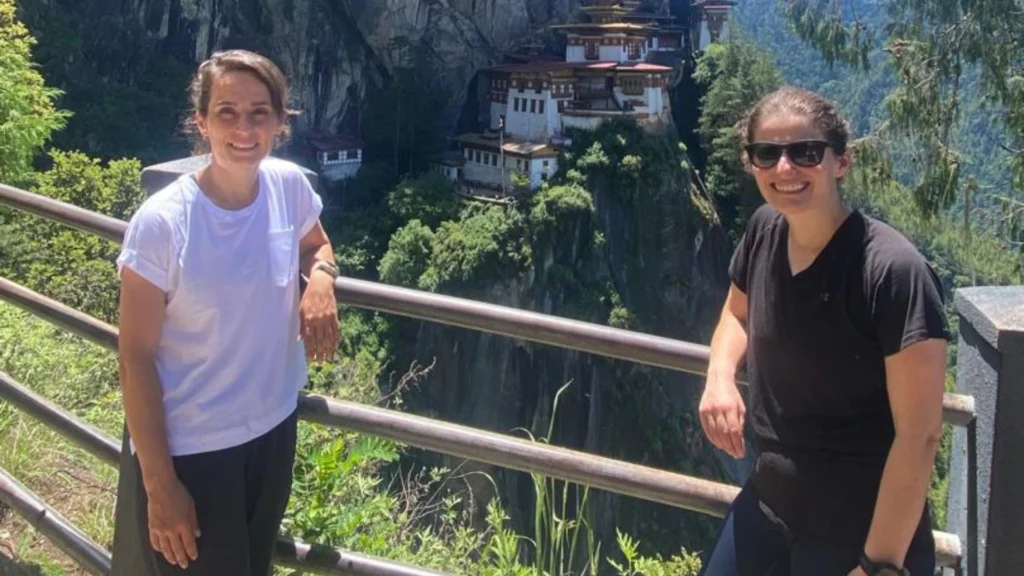
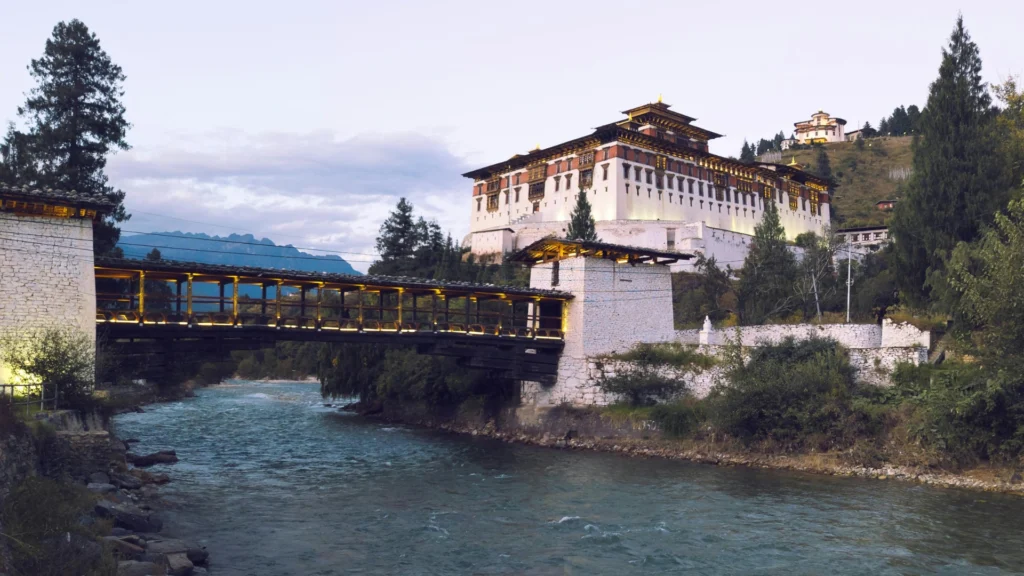
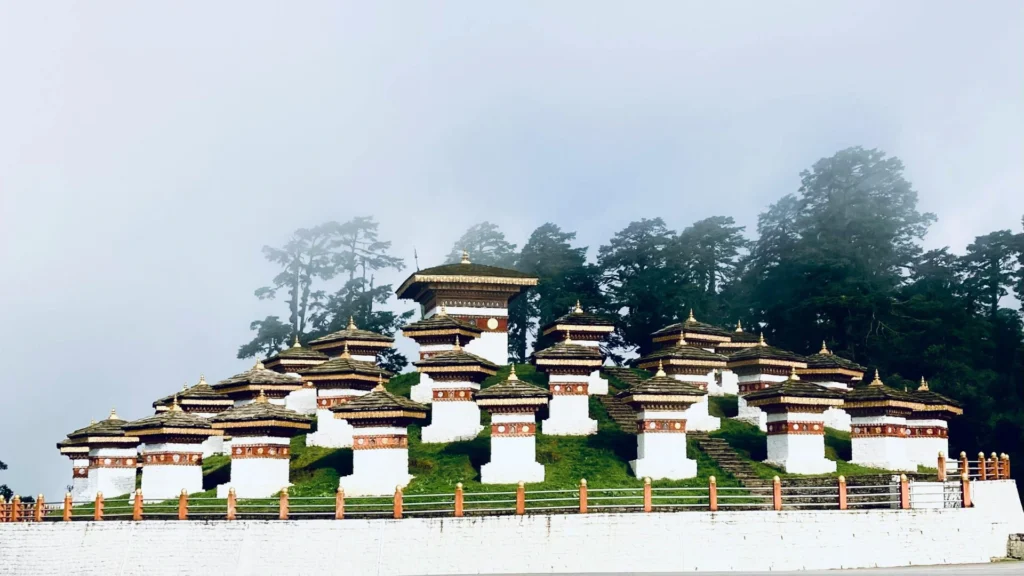
From ancient monasteries and colorful festivals to peaceful valleys and Himalayan mountain views, Bhutan offers a truly unique travel experience unlike anywhere else in the world.
Whether you’re looking for a cultural journey, a scenic sightseeing holiday, a trekking adventure, or a customized private tour, our experienced local team can help you plan the perfect Bhutan itinerary.
Explore our most popular Bhutan tour packages below and discover the best of the Kingdom of Bhutan with knowledgeable guides, comfortable accommodations, and seamless travel arrangements.
Our Most Popular Bhutan Tour Packages


Need help choosing the right itinerary? Contact us today, we are Bhutan travel experts for personalized recommendations and a customized tour package based on your interests, travel dates, and budget.
Final Thoughts on Bhutan Travel & Dzongkha Phrases
Learning a few useful Dzongkha words and phrases can greatly enrich your travel experience in Bhutan. While English is widely spoken throughout the country, using simple local expressions such as greetings, thank-you phrases, and common travel vocabulary demonstrates respect for Bhutanese culture and helps create meaningful connections with local people.
Whether you are exploring the monasteries of Paro, visiting the capital city of Thimphu, attending colorful Bhutanese festivals, or trekking through remote Himalayan valleys, these practical Dzongkha phrases can help you communicate more confidently and enjoy a more authentic cultural experience.
Before your journey, consider bookmarking this guide or saving a copy on your phone for quick reference during your travels. Combined with Bhutan’s warm hospitality, breathtaking landscapes, and rich traditions, even a few local words can make your trip to the Kingdom of Bhutan more memorable and rewarding.