
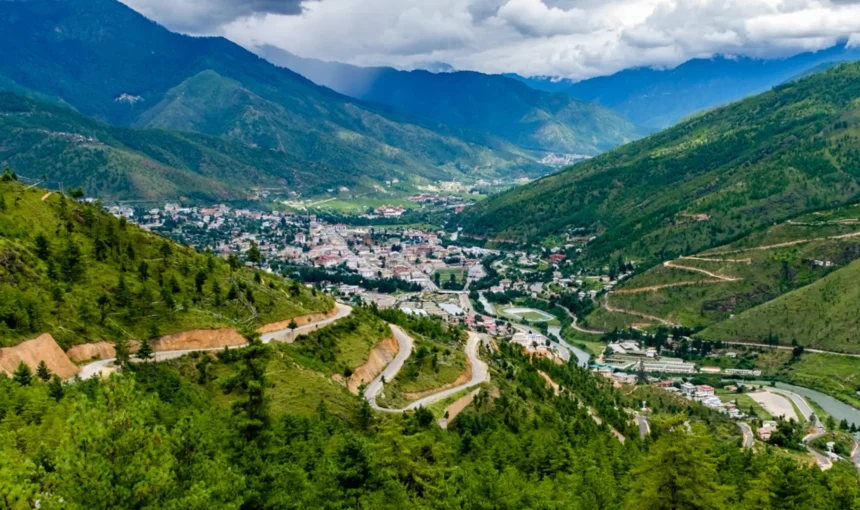
Bhutan’s transportation system is simple, scenic, and highly regulated due to its mountainous terrain and sustainable tourism policy. Unlike many countries, people travel by road using licensed vehicles and guides, and there are no trains or ride-hailing platforms like Uber.
In this guide, we have covered everything about transportation in Bhutan for travelers in 2026, including taxis, buses, private vehicles, and inter-district travel.
Overview of Transportation in Bhutan
Transportation in Bhutan is primarily road-based, as the country has no railway system and very limited alternative transport options. Most people use cars, buses, and taxis for travel, and Bhutan’s tourism authority manages and regulates these modes of transport to ensure safety and sustainability.
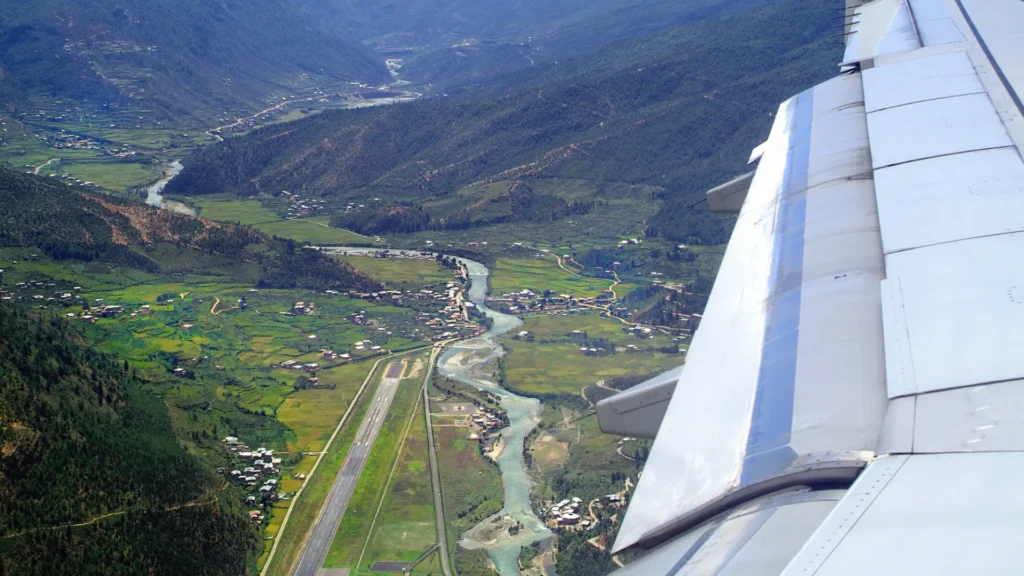
For international tourists, transportation is fully organized through licensed tour operators like Aura Trails, meaning travel within Bhutan is arranged in advance as part of a guided tour package.
A key requirement for all visitors is that they must travel with a pre-arranged vehicle and a licensed guide throughout their journey in Bhutan, ensuring a structured, safe, and well-managed travel experience.
Road Network in Bhutan
Bhutan has a developing but well-maintained road system connecting major cities and valleys.
Key Characteristics of Roadways:
- Narrow mountain roads
- Winding Himalayan highways
- Scenic valley routes
- Moderate traffic in cities
- Slower travel speeds due to terrain
Major Highway Routes:
- Paro ↔ Thimphu (most traveled route)
- Thimphu ↔ Punakha
- Punakha ↔ Wangdue
- Thimphu ↔ Phuentsholing (India border entry)
Travel time is longer than the distance due to mountainous geography.
Taxi Services in Bhutan
Taxi services in Bhutan are mainly available in major towns such as Thimphu, Paro, and Phuentsholing. Unlike many countries, metered taxis are rare, and most taxi fares operate on a fixed-price system agreed upon before starting the journey.
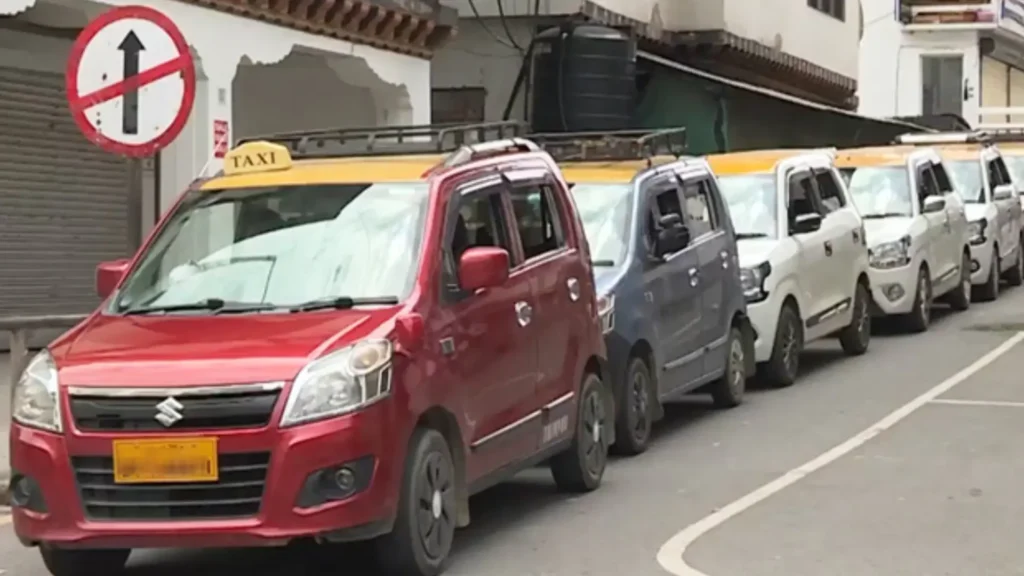
Ride-hailing apps like Uber or Lyft are not available in Bhutan, so travelers must rely on local taxis or pre-arranged transport. It is always recommended to confirm the fare with the driver before beginning your trip to avoid any confusion and ensure a smooth travel experience.
Public Bus System in Bhutan
Bhutan has a basic but functional public bus system that connects major towns and cities across the country.
The buses are mainly used by residents rather than tourists, but they can be an affordable option for inter-city travel. The system includes inter-city buses as well as local town buses operating within urban areas.
Key Routes:
- Thimphu ↔ Paro
- Thimphu ↔ Punakha
- Thimphu ↔ Phuentsholing
Important Limitations:
- Limited and fixed schedules with fewer daily departures
- Lower comfort compared to private vehicles or tour transport
- Not commonly used by international tourists due to travel restrictions and convenience
For most travelers, private transport arranged through tour operators is a more comfortable and efficient way to explore Bhutan.
Private Vehicles
Private vehicles are the standard mode of transportation for all international tourists visiting Bhutan. As part of the regulated tourism system, travelers are provided with a private car, SUV, or van along with a licensed Bhutanese driver and guide for the entire journey.
What’s Included:
- Private car, SUV, or tourist van
- Experienced licensed Bhutanese driver
- Professional tour guide throughout the trip
Key Benefits:
- Comfortable, safe, and hassle-free travel experience
- Flexible itinerary with stops at viewpoints, monasteries, and villages
- Ideal for exploring Bhutan’s scenic mountain roads at your own pace
- Included in most Bhutan tour packages
This mode of travel is the most recommended and reliable transportation option in Bhutan, ensuring a smooth and well-organized travel experience across all destinations.
Road Travel Experience in Bhutan
Traveling by road in Bhutan is more than just transportation. It is an essential part of the journey. Due to the country’s mountainous terrain and untouched natural beauty, every drive offers a scenic and peaceful travel experience that feels like a moving Himalayan viewpoint.
What to Expect on the Road:
- Panoramic Himalayan mountain views
- Deep river valleys and dense forest roads
- Colorful prayer flags fluttering across mountain passes
- Slow but peaceful journeys through winding roads
- Occasional stops due to landslides, weather, or wildlife crossings
Popular Scenic Mountain Passes:
- Dochula Pass – Famous for 108 memorial chortens and panoramic Himalayan views
- Chele La Pass—One of the highest motorable passes in Bhutan with stunning valley views
The Bhutanese roads are designed to help travelers experience nature, silence, and spirituality along the way.
Airport Transfers in Bhutan
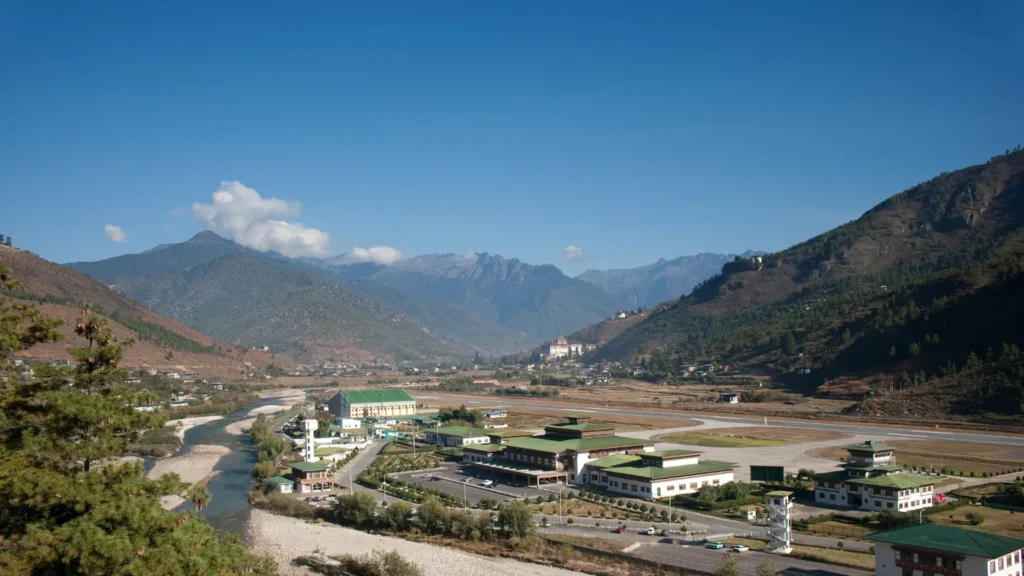
Airport transfers in Bhutan are smooth and fully organized as part of most tour packages. Upon arrival at Paro International Airport, licensed drivers or tour representatives greet travelers and provide pre-arranged pickup services.
What can you expect?
- Pre-arranged airport pickup is included in most tour packages
- Licensed and experienced Bhutanese drivers only
- Direct transfer to hotels in Paro, Thimphu, or other planned destinations
Self-drive rental cars are not available for tourists in Bhutan, as all transportation is managed through licensed tour operators to ensure safety and regulated travel experiences.
Transport Options NOT Available in Bhutan
Bhutan follows a highly regulated and sustainable tourism model, which means several common international transport services are not available in the country.
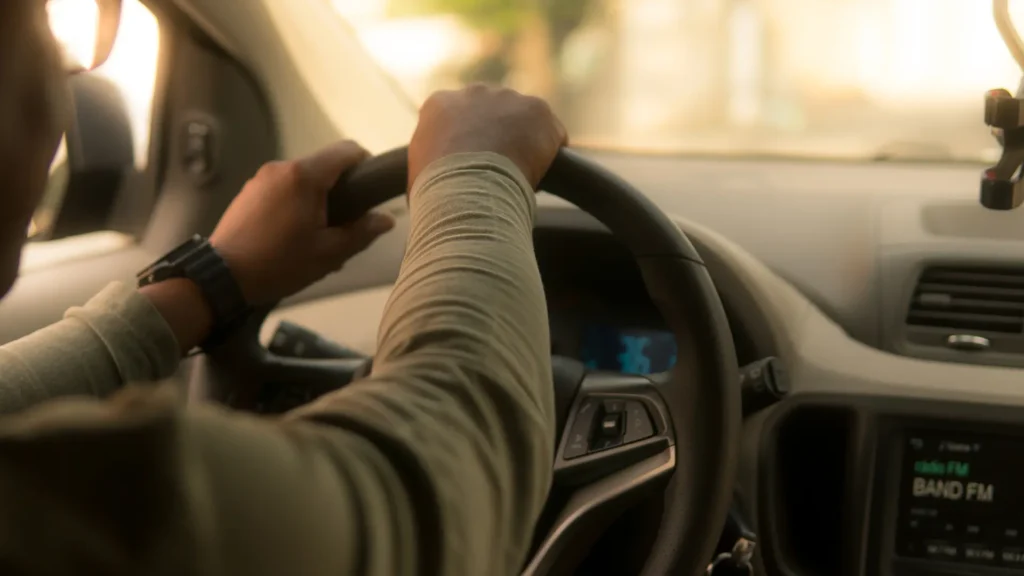
Not Available in Bhutan:
- Ride-hailing services such as Uber, Bolt, and Grab
- Self-drive car rentals for international tourists
- Railway or train network (Bhutan has no railway system)
- Regular domestic flights within the country (only limited charter operations in special cases)
Because of these restrictions, all tourist transportation in Bhutan is arranged through licensed vehicles and professional tour operators, ensuring safety, control, and an organized travel experience.
Walking in Bhutanese Cities
Bhutan’s cities and towns are small, peaceful, and highly walkable, making walking one of the best ways to explore local culture and daily life. Unlike crowded urban destinations, Bhutan offers a calm environment where travelers can comfortably move around on foot in major tourist areas.
Best Walking Areas in Bhutan:
- Thimphu city center – shops, cafés, and cultural spots
- Paro town – traditional streets and local markets
- Dzong areas and nearby attractions – scenic and culturally rich surroundings
Walking in Bhutan is safe, enjoyable, and one of the best ways to experience the country’s relaxed lifestyle and unique atmosphere.
Transportation Between Cities
Average Travel Times:
| Route | Time |
| Paro → Thimphu | 1.5–2 hours |
| Thimphu → Punakha | 3–4 hours |
| Punakha → Bumthang | 5–7 hours |
| Thimphu → Phuentsholing | 5–6 hours |
Important Travel Tips
- Always travel with a licensed guide and driver
- Expect slower journey times in the mountains
- Avoid motion sickness (bring medication if needed)
- Roads may close temporarily due to landslides or weather
- Carry water and snacks for long drives
- Book transport through a licensed tour operator