Discover the soul of Bhutan on a 9-day rural Bhutan tour crafted for travelers who seek meaning beyond monuments. Journey from the fortress gateway of Paro through Punakha’s river valley, explore the seldom-visited villages of Talo and Samtengang, soar over Gangtey’s glacial crane sanctuary, and ascend to Tiger’s Nest Monastery.
-
3,120m/10,240 ft
-
March to May and September to November
-
Full board (breakfast, lunch and dinner)
-
Homestays/Government approved 3 stars and Above hotels
-
Private car, van or bus (Depends on group size)
-
Private Tour
Highlights of the 9-Day Rural Bhutan Tour Package
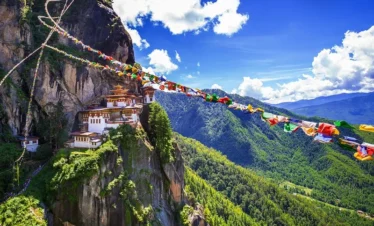
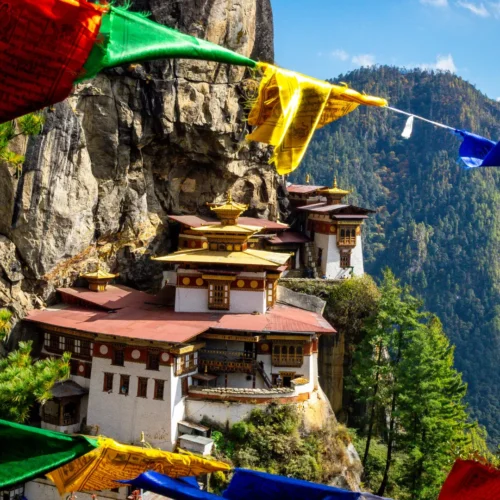
- Ascend 900 meters above the Paro Valley to Bhutan’s most sacred cliff-clinging monastery, built in 1692, where Guru Rinpoche meditated.
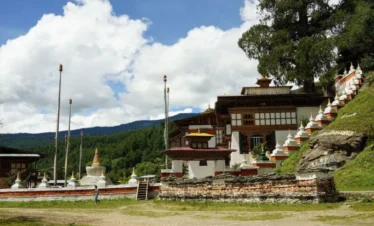
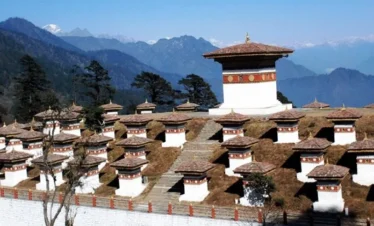
- Experience Bhutan’s most scenic mountain pass, crowned by 108 hand-built stupas honoring fallen soldiers, with sweeping Himalayan panoramas on clear days.
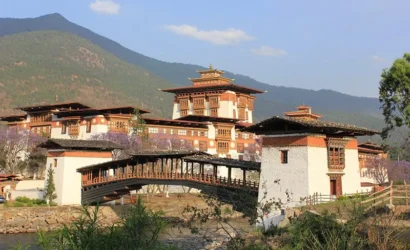
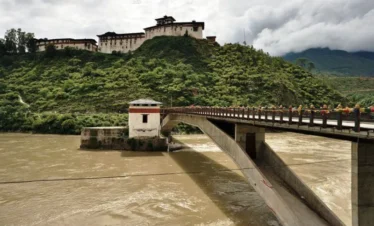
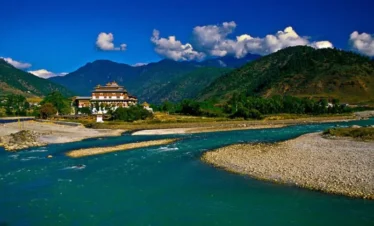
- Explore Bhutan’s most magnificent dzong, built in 1637, where every king has crowned himself, set at the meeting of two sacred rivers.
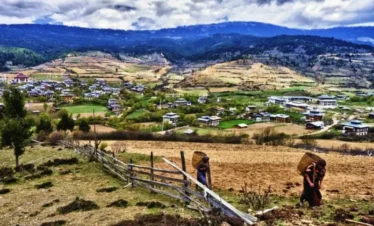
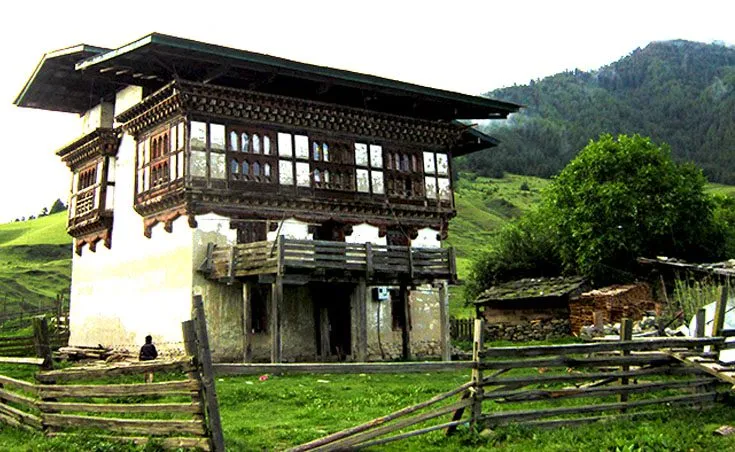
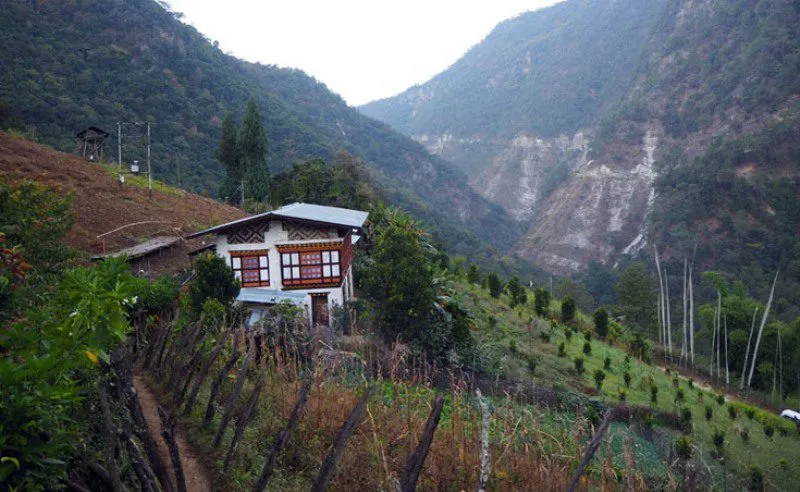
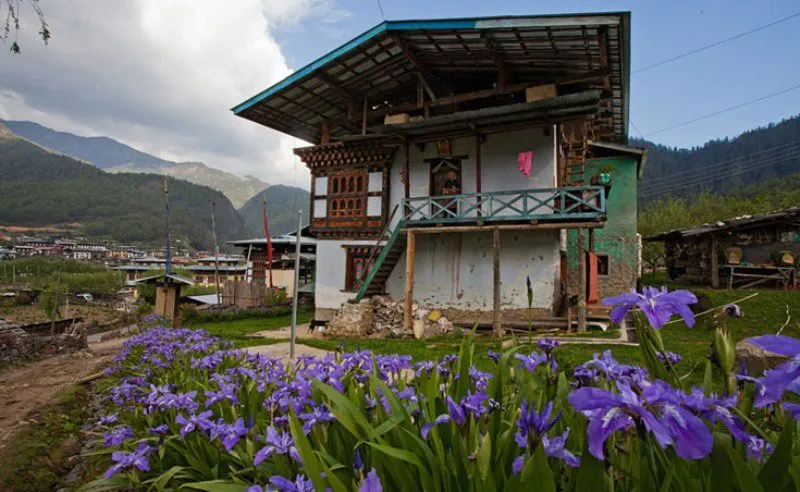
- Explore centuries-old slate-roofed farmhouses in two rarely visited royal villages along the Mo Chhu river, encountering unscripted Bhutanese rural life.
- Visit a 17th-century Nyingmapa monastery overlooking a glacial valley hosting nearly 500 endangered black-necked cranes migrating annually from the Tibetan Plateau.
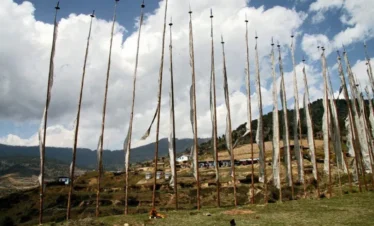
- Crossing Bhutan’s highest motorable pass, draped in prayer flags, you descend into one of the country’s most isolated and authentic valleys, which only opened in 2002.
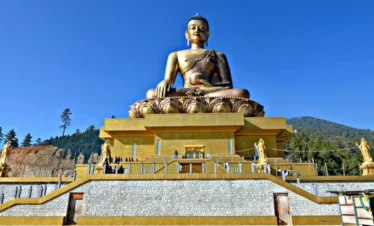
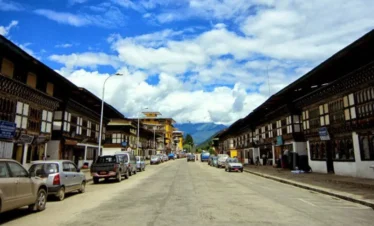
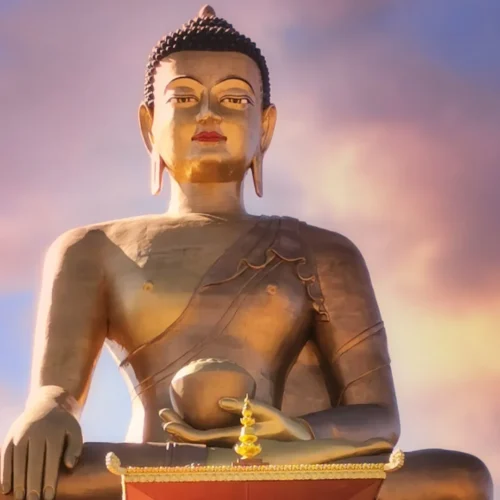
- Discover the world’s only capital without traffic lights; visit the 51.5-meter gilded Buddha Dordenma, Tashichho Dzong, and vibrant weekend market stalls.
- Enjoy Bhutan’s national dish of fiery chili and yak-cheese stew, nutty crimson-red rice, and butter tea flavors inseparable from the Himalayan landscape itself.
Overview of the Rural Bhutan travel package
Why choose this rural Bhutan tour? Bhutan doesn’t reward those who rush. This Rural Bhutan Tour Package is designed for the traveler who wants to slow down to sit with our packaged prayers, walk terraced rice fields at dusk, and understand why this tiny Himalayan kingdom measures its wealth in Gross National Happiness rather than in GDP.
Bhutan is not a destination you visit. It is a destination that visits you, leaving something behind long after you return home. GNH, introduced by Bhutan’s Fourth King Jigme Singye Wangchuck, rests on four pillars: sustainable development, environmental conservation, cultural preservation, and good governance.
This is not a tourism slogan. It is national policy, written into Bhutan’s constitution and measured annually by the Gross National Happiness Commission.
That philosophy shapes every road your vehicle travels, every valley your guide leads you through, and every farmhouse meal you share. You feel it within hours of landing.
According to the Tourism Council of Bhutan, Bhutan welcomed just 145,065 visitors in all of 2024. Compare that to the 8 million who visit Nepal annually, or the 14 million who pass through Thailand.
Most standard Bhutan packages follow a predictable triangle: Paro, Thimphu, Punakha, and Tiger’s Nest. This journey goes further, and it does so deliberately and meaningfully.
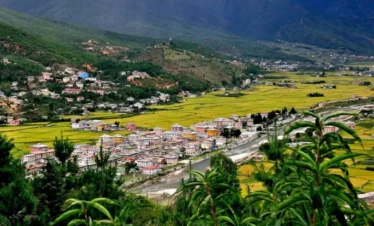
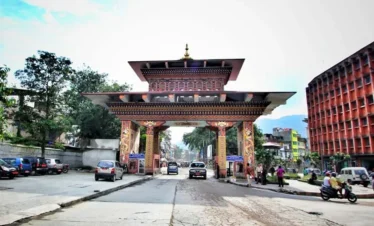
You begin in Paro at 2,250m, Bhutan’s only international gateway, where the approach through Himalayan peaks ranks among the world’s most dramatic landings.
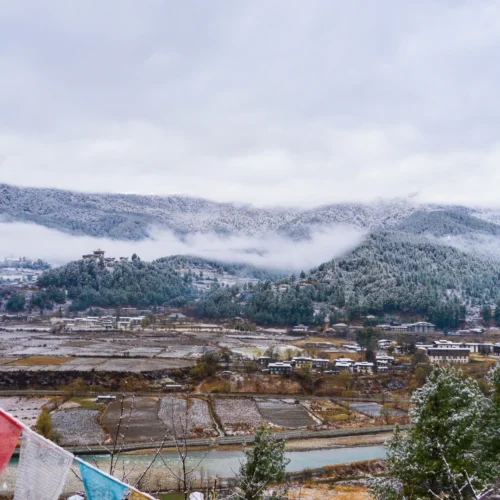
From there, the route moves into Punakha, Bhutan’s former winter capital, where Punakha Dzong, the Palace of Great Bliss, built in 1637 by Zhabdrung Ngawang Namgyal, sits at the sacred confluence of the Pho Chhu and Mo Chhu rivers. Every king of Bhutan has been crowned within its walls.
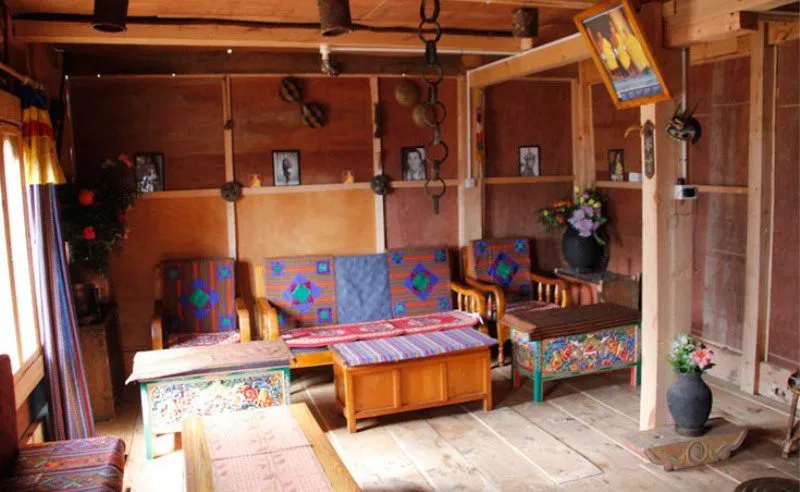
Where other tours stop here, this itinerary continues deeper. The rarely visited villages of Talo, Nobgang, and Samtengang along the Mo Chhu River provide genuine and unscripted farmhouse experiences, communities that have welcomed very few international visitors and where your guide translates not just language but meaning.
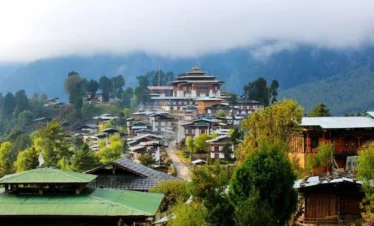
Then comes Phobjikha Valley at 2,900m, a glacial bowl recognized by Bhutan’s Department of Forest and Park Services as critical winter habitat for nearly 500 endangered black-necked cranes migrating annually from the Tibetan Plateau.
The valley holds Gangtey Monastery, a 17th-century Nyingmapa masterpiece, and night skies with zero light pollution.
Haa Valley follows, one of Bhutan’s most isolated regions, only opened to foreign visitors in 2002 and accessed via Chele La Pass at 3,988 m, Bhutan’s highest motorable road. Finally, on Day 8, the journey builds to its defining moment: the ascent to Taktsang Palphug Monastery, Tiger’s Nest, clinging to a cliff face 900 meters above the Paro Valley floor, built in 1692, where Guru Rinpoche meditated after arriving from Tibet on the back of a flying tigress.
This itinerary is sequenced intentionally. Each valley builds on the last. Each monastery visit is contextualized by everything that came before.
By the time you stand before Tiger’s Nest on Day 8, your body is acclimatized, your eyes have been trained, and the monastery lands entirely differently than it would on Day 2 of a rushed package tour.
You will share meals inside rural farmhouses, witness dawn prayer ceremonies at living monasteries, and walk through protected forests that cover over 70% of Bhutan’s land, a country that is not merely carbon-neutral but carbon-negative, the only one on Earth that absorbs more CO₂ than it produces.