
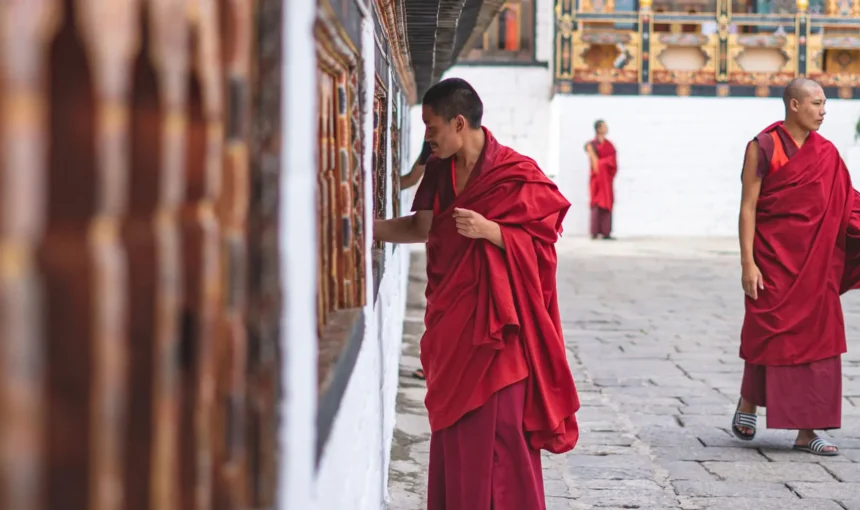
The Kingdom of Bhutan has a rich and unique culture. Buddhist culture and traditions highly influence Bhutanese culture, as most people in Bhutan follow Buddhism as their religion. The ancient culture and traditions of Bhutan have a strong impact on the modern culture of Bhutan.
Buddhism influences most of the languages, literature, drama, music, and architecture in the country. Monasteries, Dzongs, Temples, and Stupas scattered all over the country resemble the Buddhist culture and are constructed with a touch of Buddhism.
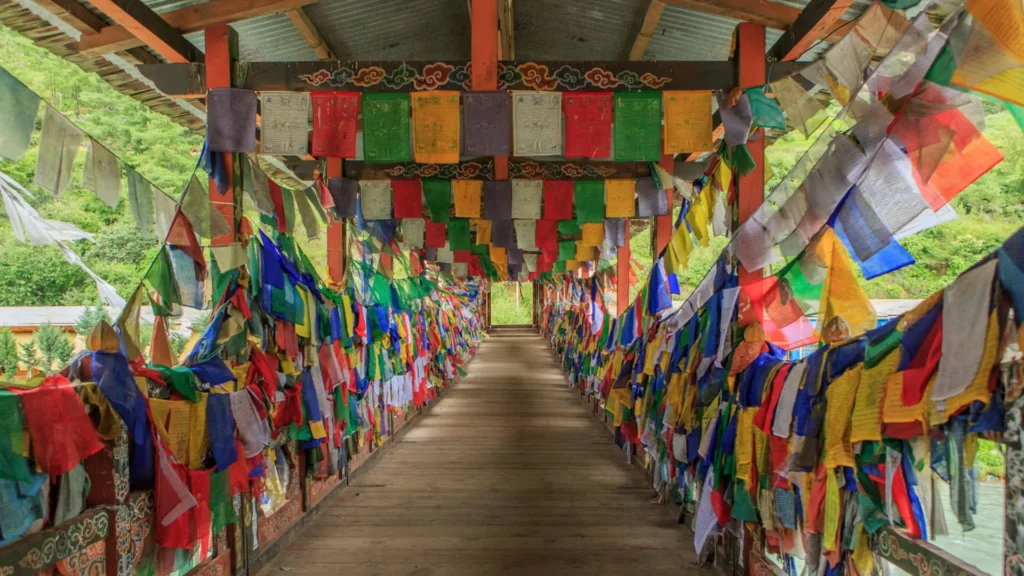
Likewise, Chortens, Pagodas, Prayer Flags, and Prayer Wheels show the inclination of the Bhutanese people towards Buddhist culture in the Kingdom. They have their own festivals and rituals. Teschu, a religious festival, is organized every year in Dzongs and celebrated with immense joy.
Villagers from different places gather in the nearest Dzong to mark the festival that lasts for several days. Different rituals and mask dances are performed during the celebration. People show reverence to the Lamas and monks during the festival. The country also celebrates many different festivals throughout the year.
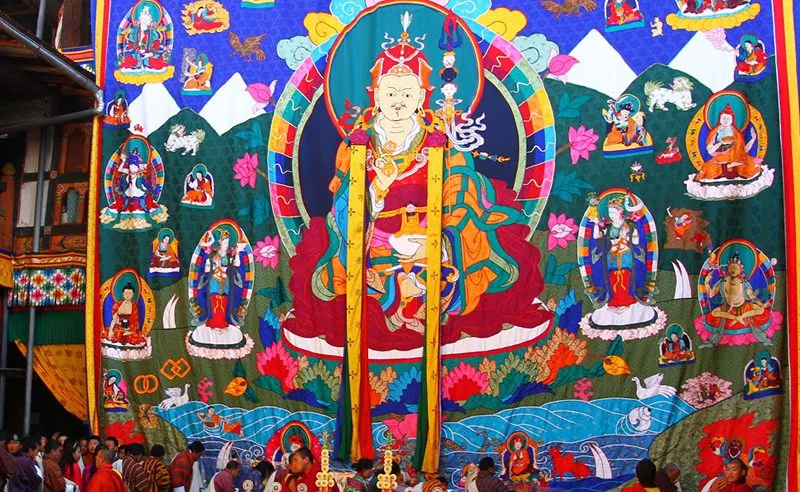
Traditional culture is yet another captivating part of Bhutan. There are many religious ceremonies and celebrations in the kingdom. Traditional music and dances are an integral part of Buddhist culture. The people are bound by social principles and values that have special significance in the daily lives of the Bhutanese people.
Cultural and traditional beliefs greatly influence the people of Bhutan. In some parts of the country, the citizens are required to wear the national dress known as Driglam Namza. There are certain ways to eat, talk, and live that are taken as rules for living for the Bhutanese people.
Though Bhutan is a secular nation, the majority of people follow Buddhism as a religious sect. The rich culture and tradition of Bhutan are an integral part of the society, and the distinctive combination of cultural and religious significance stands as a national identity of Bhutan.