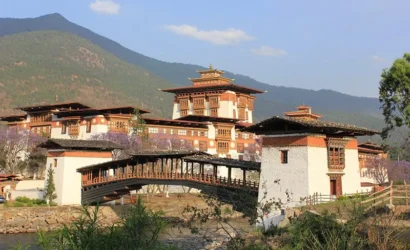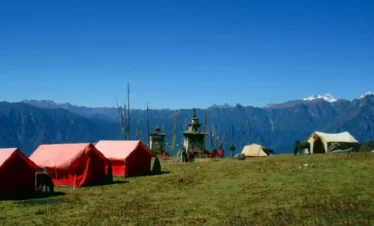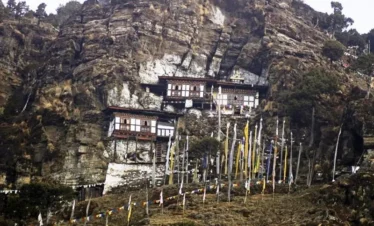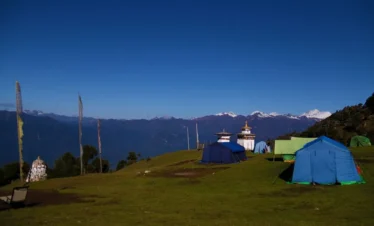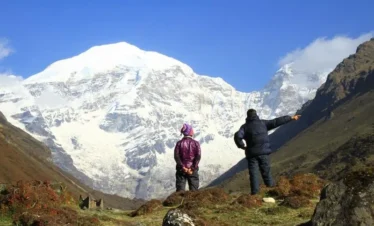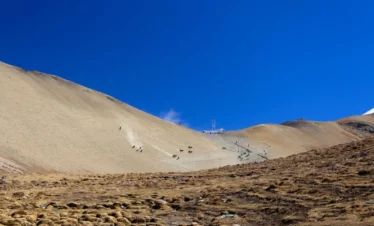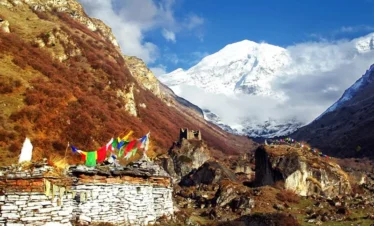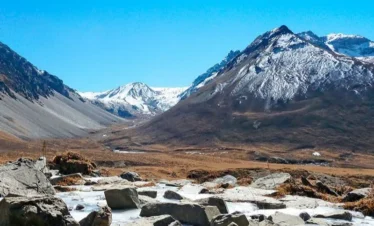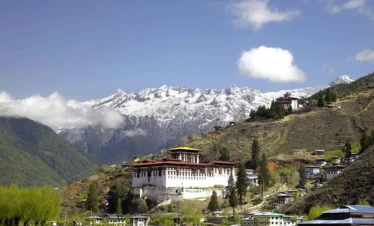
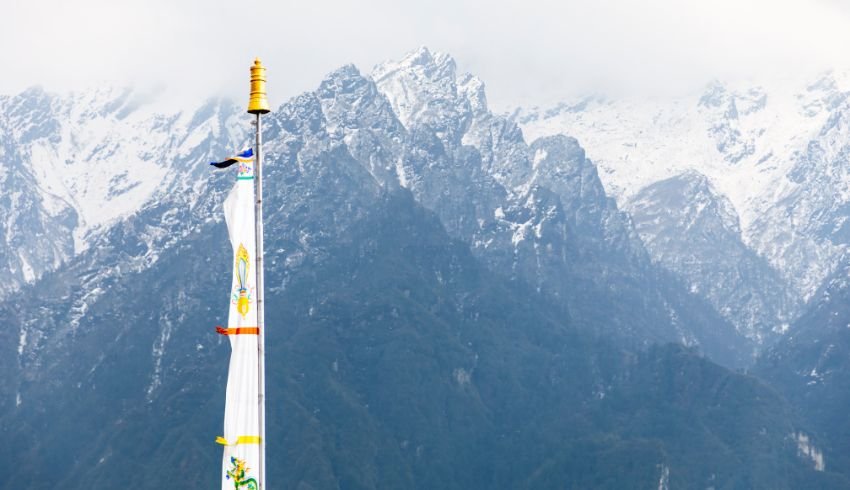
The 16-day Laya Gasa Trek is a challenging high-altitude adventure through the remote mountains of northwestern Bhutan. The route combines Himalayan mountain scenery, high mountain passes, traditional villages, yak-herding communities, and Laya’s distinctive highland culture. Starting in Paro, the trek follows the classic Jomolhari approach before continuing through Lingshi, Chebisa, Shomuthang, Robluthang, and Limithang to Laya. After the trek, you travel by road to Punakha, then continue to Thimphu and Paro for cultural sightseeing and the famous hike to Taktsang Monastery.
-
4,440m/14,567ft
-
March to May and September to November
-
Full board (breakfast, lunch and dinner)
-
Government approved 3 stars and Above
-
Private car, van or bus (Depends on group size)
-
Private Tour
Highlights
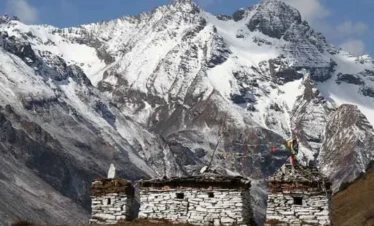
- Trek beneath the spectacular Himalayan peaks surrounding Jangothang, including views of Mount Jomolhari and Jichu Drake.
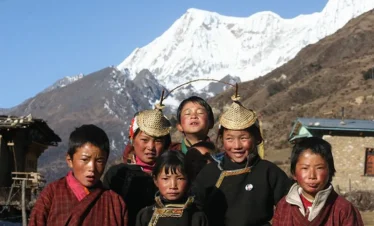
- Explore the remote highland settlement of Laya, home to the Layap community and its distinctive traditions and lifestyle.
- Cross challenging high-altitude mountain passes and trek through remote valleys, alpine meadows, forests, and yak-grazing areas.
- Spend acclimatization and rest days at Jangothang (4,090 m) and Laya (3,840 m).
- Trek through the protected landscapes of Jigme Dorji National Park, one of Bhutan’s most important areas for Himalayan wildlife.
- Experience remote sections of the Laya trekking corridor, far from Bhutan’s main roads and towns.
- Enjoy mountain views of peaks such as Jomolhari, Jichu Drake, Gangchhenta, and surrounding Himalayan ranges.
- Meet local communities and experience the traditional highland culture around Laya.
- Continue the journey after the trek with sightseeing in Punakha and Thimphu.
Quick Facts
- Duration: 20 days (14 active trekking days, 2 acclimatisation rest days, 4 cultural sightseeing days)
- Total trekking distance: approximately 166 km
- Maximum campsite altitude: 4,220 m (Shomuthang); highest trail point: Nyele La approach, 4,870 m
- Difficulty: Strenuous / Difficult
- Best seasons: Spring (mid-March to May) and Autumn (September to November)
- Group size: Minimum 2 persons; private departures available
- Accommodation: 3-star or equivalent hotels in Paro, Punakha, and Thimphu; fully equipped tented camps on trek
- Meals: All meals included throughout (breakfast, packed lunch, dinner on trek; hotel breakfast included at city stays)
- Transportation: Airport transfers by private vehicle; return drive from Tashithang to Punakha
- Starting point: Paro International Airport
- Ending point: Paro International Airport
- Permits required: Bhutan Tourist Visa, Trekking Permit, Jigme Dorji National Park Entry Permit, Restricted Area Permit (for Laya)
- SDF: USD 100 per person per night (current rate, fixed until August 2027)
- Operator: Aura Trails (Tour in Bhutan) – TCB-licensed
Overview of Laya Gasa Trek
Our 16-day Laya Gasa itinerary focuses on the most spectacular section of the traditional Laya trekking corridor, combining challenging mountain trails with cultural experiences in some of Bhutan’s most remote communities.
The journey begins in Paro and enters the trekking route at Sharna. From there, the trail follows the Paro Chhu through forests and increasingly rugged mountain terrain toward Thangthangka and Jangothang.
At Jangothang, trekkers spend a dedicated acclimatization day before continuing toward Lingshi and the remote highland valleys beyond.
The central section takes you through Lingshi, Chebisa, Shomuthang, Robluthang, and Limithang before reaching Laya. This section combines demanding mountain trails with some of the route’s most remote landscapes.
The landscape changes constantly, from dense Himalayan forests to open alpine meadows and high mountain passes. You may also encounter yak herders and wildlife along the route.
Laya provides an important cultural highlight. The village sits at around 3,840 meters and is home to the Layap people, whose traditional way of life has developed around the high mountain environment. A rest day in Laya gives you time to explore the settlement, meet residents, and recover before leaving the trekking region.
Unlike the longer traditional Laya-Gasa itinerary, this 16-day program does not continue on foot from Laya to Gasa and Gasa Tsachu. Instead, you leave the trekking route at Taktsemakha Army Camp and continue by vehicle to Punakha. This makes the itinerary more suitable for travelers who want to experience the remote Laya section while keeping the overall journey to 16 days.
After the trek, the journey continues through Punakha and Thimphu before returning to Paro.
The final day of sightseeing includes the iconic hike to Taktsang Monastery, providing a cultural and spiritual conclusion to the mountain adventure.
The route remains strenuous despite its shorter duration. Trekkers spend several nights above 3,800 meters and cross high mountain passes. Previous multi-day trekking experience and good physical fitness are strongly recommended.
16-Day Laya Gasa Trek Itinerary
Arrive at Paro International Airport, where your Bhutanese guide and driver will welcome you and transfer you to your hotel. Take time to rest and adjust to your new surroundings after your journey. Depending on your arrival time, you can explore Paro town or visit a nearby cultural attraction.
Your guide will also brief you about the upcoming trek, including the route, altitude, weather conditions, equipment, and daily trekking arrangements.
Use the evening to organize your personal gear and prepare for the adventure ahead. A comfortable first night in Paro gives you time to recover before entering the mountains.
After breakfast, drive from Paro toward the trekking trailhead at Sharna. Once you reach the starting point, begin walking through the forested valley along the Paro Chhu. The trail passes through blue pine, fir, and other Himalayan vegetation, with occasional views of traditional settlements and mountain slopes.
As you move deeper into the valley, the surroundings become quieter and more remote. Continue along the river and gradually gain altitude before reaching Thangthangka, where the trekking team sets up camp for the night.
This first trekking day introduces you to the terrain and establishes a comfortable rhythm for the days ahead.
Leave Thangthangka after breakfast and continue upstream through increasingly open mountain terrain. The trail gradually leaves the denser forest behind as you climb toward the high valleys below Jomolhari. Along the way, you may see yak-grazing areas and enjoy views of the surrounding peaks of the Jomolhari region as the landscape opens. Continue toward Jangothang, an important campsite on the route.
At approximately 4,090 meters, Jangothang sits beneath the mountain scenery of the Jomolhari region.
After reaching camp, enjoy a warm meal and rest. Your guide will also prepare you for the important acclimatization day tomorrow.
Spend the day at Jangothang to help your body adjust to the higher altitude. Your guide can arrange a short acclimatization walk around the valley rather than a strenuous trek.
The surrounding area offers views of the surrounding mountains, alpine meadows, and yak-grazing grounds. You can also explore the nearby landscape and learn about the area’s traditional use by Highland communities. Keep your activity comfortable, stay hydrated, and allow your body time to adapt. This rest day is particularly important because the next section crosses high mountain terrain.
Your trekking team will also check how everyone is responding to the altitude before continuing.
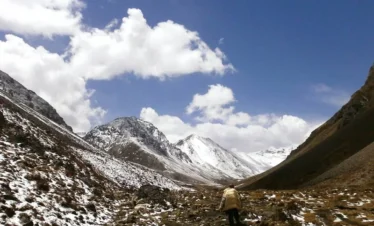
Today you leave Jangothang and head toward Lingshi through one of the most challenging sections of the trek. The trail climbs toward Nyile La (Nyelela) before descending toward the Lingshi Valley.
As you gain elevation, the landscape becomes more open, rugged, and exposed, with sweeping views across the surrounding Himalayan peaks. Take a steady pace and follow your guide’s instructions during the ascent and descent. After completing the high section, continue toward Lingshi and its surrounding valley.
Reach camp, enjoy a warm meal, and rest after this demanding day in the mountains.
Continue from Lingshi toward Chebisa through remote valleys and highland landscapes. The trail includes a mixture of gradual climbs and descents, with mountain scenery surrounding you throughout the day.
As you move along the route, you may encounter yak-grazing areas and traditional settlements that reflect the way local communities use these high valleys. The landscape also provides opportunities to observe Himalayan flora and wildlife. Eventually, the trail reaches Chebisa, a picturesque village surrounded by green mountain slopes.
Settle into your campsite and enjoy a quieter evening after the previous day’s demanding pass crossing.
Today’s route takes you higher toward Shomuthang, making it another challenging trekking day. The trail climbs through alpine terrain and crosses high ridges before reaching the Shomuthang area.
As you gain elevation, the vegetation becomes shorter and the landscape more exposed. The surrounding mountains create an impressive backdrop, while the remote setting emphasizes how far you have traveled from Bhutan’s main settlements. Maintain a steady pace and take regular breaks during the climb.
Shomuthang sits at approximately 4,220 meters and represents one of the highest campsites of the itinerary. Rest well after reaching camp and prepare for tomorrow’s trek.
Leave Shomuthang and continue across the high mountain landscape toward Robluthang. The route involves another demanding ascent and descent across the high ridges before gradually reaching the Robluthang Valley.
At this altitude, weather can change quickly, so keep your warm and waterproof layers accessible throughout the day. The open terrain provides broad views of the surrounding peaks and alpine valleys.
Follow your guide closely on exposed or uneven sections of trail. After reaching Robluthang, settle into camp and enjoy a warm meal. Use the evening to rest and recover before continuing toward Limithang.
Continue your journey from Robluthang to Limithang through remote Himalayan terrain. The trail climbs toward Shinche La (Sinche La), approximately 4,870–4,900 meters, before descending toward Limithang.
As you cross this high mountain pass, the route offers expansive views of the surrounding Himalayan landscape. The trail then gradually loses elevation through alpine meadows and forested sections, with areas traditionally used for yak grazing along the way.
Some sections can be rocky and uneven, so maintain a comfortable pace and watch your footing. After reaching Limithang, settle into your campsite and enjoy a well-earned rest before continuing toward Laya.
Today you continue toward Laya, one of the major cultural highlights of the trek. The trail passes through forested mountain terrain before approaching the Laya Valley.
As you approach the village, traditional homes and cultivated areas begin to appear along the mountain slopes. Laya sits at approximately 3,840 meters and has developed a distinctive highland culture shaped by its remote location.
The Layap community is known for its traditional dress, local customs, and close connection with the surrounding mountains. After reaching Laya, settle into camp and enjoy your first evening in the village.
Spend a relaxed day in Laya after the demanding trekking section. Use the morning to explore the village and its surrounding area at an easy pace. You can observe traditional homes, agricultural fields, and the mountain landscape surrounding the settlement.
Your guide can introduce you to aspects of local Layap culture and explain how the community has adapted to life at high altitude. If conditions and local arrangements allow, you can take a short walk to nearby viewpoints or cultural sites.
Keep the day relaxed so your body can recover before the final trekking section to Taktsemakha Army Camp.
After breakfast, leave Laya and begin a roughly three-hour trek to Taktsemakha Army Camp, marking the final trekking section of this itinerary. The trail descends through forests and mountain terrain, with scenic views of the surrounding valleys and rugged Himalayan landscape.
At Taktsemakha, meet your private vehicle and continue by road toward Gasa. Visit Gasa Dzong, an important fortress and administrative center set above the Gasa Valley, and enjoy the surrounding mountain scenery.
After exploring the dzong, continue the scenic drive toward Punakha, where you check into your hotel and rest after the long day.
After breakfast, explore Punakha and visit some of its important cultural landmarks before continuing to Thimphu. Visit the magnificent Punakha Dzong, located at the confluence of the Pho Chhu and Mo Chhu rivers. The dzong is one of Bhutan’s most important historic and religious sites. Continue toward Thimphu through scenic mountain roads and cross Dochula Pass, where clear weather can provide views of the Himalayan range.
After reaching Thimphu, check into your hotel and relax. You can spend the evening exploring the capital or enjoying a traditional Bhutanese meal.
Spend the morning exploring Thimphu’s cultural landmarks. Depending on your schedule and interests, your sightseeing may include Buddha Dordenma, the National Memorial Chorten, Tashichho Dzong, local markets, or other important sites.
Your guide can organize the visits according to opening hours and your available time. After sightseeing, drive back to Paro through the scenic mountain landscape. Once you arrive, check into your hotel and relax.
You can spend the evening walking around Paro town, visiting local shops, or preparing for tomorrow’s final highlight, the hike to Taktsang Monastery.
Today, hike to Taktsang Monastery, better known as Tiger’s Nest. The trail climbs through pine forest along the mountainside and offers views across the Paro Valley. The hike includes sustained uphill sections and numerous stairs, so take your time and follow a comfortable pace.
At approximately 3,120 meters, the monastery stands dramatically on a cliffside and remains one of Bhutan’s most important religious landmarks. After exploring the monastery and its surrounding viewpoints, descend carefully to Paro.
Spend your final evening relaxing at your hotel and reflecting on the trekking adventure through Bhutan’s remote northern mountains.
Your Laya Gasa Trek Bhutan adventure comes to an end today.
After breakfast, your guide and driver will transfer you to Paro International Airport for your onward flight. Depending on your departure time, you may have a little spare time in Paro before you leave Bhutan. Over the previous 16 days, you have traveled from the Paro Valley into remote high-altitude landscapes, crossed challenging mountain terrain, experienced the unique culture of Laya, and explored some of Bhutan’s most important cultural landmarks.
As you depart, you take home memories of Himalayan scenery, remote mountain communities, and a high-altitude trekking experience.
Includes/Excludes
The Package Includes
- Airport pick-up and drop-off by private vehicle.
- 3-star accommodation (4 & 5 stars may require an additional premium).
- Bhutan visa fee, including all necessary processing
- Route Permit
- Three meals per day during your stay in Bhutan
- A licensed Bhutanese tour guide
- All land transportation by private vehicle
- Camping equipment and haulage for trekking tours
- Sightseeing as per itinerary
- Monument entrance fees where applicable
- Drinking water
- All internal taxes and charges
- A sustainable development fee of $100. (This sustainable development fee goes towards free education, free healthcare, and poverty alleviation, along with the building of infrastructure.)
The Package Excludes
- Airfare & Travel Insurance
- Expenses of a personal nature, tips to guides and drivers
- Expenses occurred due to unavoidable events, i.e., road wrecks, flight delays, etc.
Trip Map
Frequently Asked Questions
The trek is rated as strenuous to difficult. It includes high-altitude camps, long trekking days, steep climbs and descents, and mountain passes. Previous multi-day trekking experience is strongly recommended.
It is not recommended for beginners without substantial hiking preparation. Trekkers should have adequate cardiovascular fitness and ideally previous experience with multi-day mountain trekking.
No. This 16-day short-route itinerary does not continue on foot from Laya to Gasa and Gasa Tsachu. After the rest day in Laya, you trek to Taktsemakha Army Camp and continue by road to Punakha. Travelers who want to trek all the way to Gasa and Gasa Tsachu should choose a longer Laya Gasa Trek itinerary.
The itinerary includes a dedicated acclimatization day at Jangothang at approximately 4,090 meters and a rest day at Laya at approximately 3,840 meters.
The highest point is at Shinche La (Sinche La), approximately 4,870–4,900 meters, subject to the final trail route and current trail conditions.
Shomuthang, at approximately 4,220 meters, is the highest campsite listed in this 16-day itinerary.
Spring and autumn are generally the preferred seasons for this high-altitude trek. Weather conditions can vary, so check current trail and mountain conditions before departure.
The trekking section uses organized tented camps. Hotels are provided in Paro, Punakha, and Thimphu according to the selected package category.
Essential items include broken-in trekking boots, warm layers, an insulated jacket, waterproof clothing, a suitable sleeping bag, trekking poles, a daypack, water bottles, sunglasses, sunscreen, and personal medication.
Additional Trip Info
Cost of Laya Gasa Trek Bhutan Package
The Laya Gasa Trek Bhutan—20 Days is a private, high-altitude trekking expedition that requires careful planning and personalized arrangements. Since we customize each departure to suit the trekker’s preferences and travel requirements, the final package cost varies based on several factors, including:
- Number of trekkers joining the expedition
- Preferred travel dates and trekking season
- Accommodation category before and after the trek
- Private group size and customized itinerary requirements
- Additional services or special arrangements
- Flight assistance and other travel arrangements within Bhutan
The Laya Gasa Trek is not offered as a fixed group departure with a standard price. Every expedition involves customized logistics, including trekking permits, a licensed Bhutanese trekking guide, camping equipment, kitchen crew, private transportation, and full support throughout the journey.
To provide an accurate quotation, our trekking specialists will first discuss your preferred travel dates, group size, trekking experience, and specific requirements. Based on this information, we will prepare a personalized Laya Gasa Trek Bhutan itinerary along with a detailed cost breakdown, package inclusions, and available customization options.
Whether you are planning a solo adventure, a private group trek, or a customized Himalayan expedition, our team is ready to help you choose the best itinerary for your schedule, experience level, and budget. There is no obligation to book. Contact our Bhutan trekking specialists today for a personalized quotation and start planning your Laya Gasa Trek in Bhutan with confidence.
Who Can Do the Laya Gasa Trek in Bhutan?
The Laya Gasa Trek is a challenging, high-altitude trek not recommended for novice trekkers without prior experience. It is a demanding trek involving long days of walking, steep ascents and descents, crossing high mountain passes, and camping at heights over 3,800 meters for two or more consecutive nights.
Prior experience of a multi-day trek is recommended, and experience of a Himalayan trek at altitude is particularly beneficial, as acclimatization is a key factor in high-altitude trekking. However, the trek can be attempted by fit trekkers who have not done a Himalayan trek before and who are prepared to take part in a professionally guided trek.
It is essential that trek participants are fit enough to cope with long days walking at altitude over rough terrain, often carrying a day pack.
Hiking in your country can be useful preparation for the trek, as can stair climbing and cardio exercises. Technical climbing or mountain training: While technical climbing or mountain training isn’t required, you should prepare for the altitude, remoteness, and long days of walking during the trek.
Best Season for Laya Gasa Trek
The best periods for the Laya Gasa Trek are generally spring and autumn, when the weather is more suitable for high-altitude trekking.
- Spring, particularly from March to May, brings improving weather, blooming rhododendrons, and greener landscapes in the lower sections. As the season progresses, alpine areas become more accessible, and the mountain scenery can be particularly impressive.
- Autumn, from September to November, is another popular trekking period. After the summer monsoon, clearer skies can provide excellent mountain visibility, while the trails are generally suitable for trekking in the higher sections.
- Weather can change quickly at high altitude regardless of season. Snow, rain, strong winds, and cold temperatures can affect trail conditions, particularly around high passes. Your guide monitors local conditions during the trek and may adjust the daily plan when necessary.
- Winter and the summer monsoon can create more difficult conditions for this high-altitude route. Always confirm current trekking conditions before finalizing your travel dates.
Difficulty
The Laya Gasa Trek is rated strenuous because of its high altitude, demanding terrain, and consecutive trekking days.
The route climbs from the lower Paro Valley into high Himalayan terrain, with camps reaching approximately 4,220 m and mountain passes approaching 4,900 m.
The trail includes steep ascents, long descents, rocky and uneven sections, and several high mountain passes. The Jangothang–Lingshi section is particularly demanding because of the high-altitude pass crossing, while the stages through Chebisa, Shomuthang, Robluthang, and Limithang require sustained endurance.
The route does not involve technical climbing, but trekkers should be comfortable walking for several hours a day over uneven terrain while carrying a daypack.
Begin preparing several weeks before departure with hill walking, stair climbing, cardiovascular exercise, leg and core strength training, and progressively longer hikes with a loaded backpack.
Physical Preparation
Good physical preparation will make the Laya Gasa Trek more enjoyable and help you manage the demanding mountain terrain.
Start training well before departure and gradually increase the duration and intensity of your workouts.
Recommended preparation includes:
- Regular cardiovascular exercise such as walking, running, cycling, or stair climbing
- Long hill hikes to build endurance
- Strength training for the legs and core
- Practice hikes with a loaded daypack
- Training on both uphill and downhill terrain
- Several consecutive hiking days before departure
- Comfortable use of trekking poles
- Proper hydration and nutrition during training
- Testing your trekking boots and clothing before departure
Physical fitness does not eliminate the risk of altitude sickness, so acclimatization and careful monitoring remain important.
Accommodation and Meals
Accommodation in Paro, Punakha, and Thimphu is arranged in comfortable hotels according to the confirmed package category.
Standard packages can use 3-star or equivalent accommodation, while higher categories may be available at an additional cost. During the trekking section, you stay in organized tented camps.
The trekking team prepares the camps and manages the necessary group equipment throughout the route. Meals during the trek are prepared by the trekking crew.
Breakfast provides the energy needed for the day’s walk, while lunch can be arranged as a packed meal or prepared according to the day’s trekking schedule.
Hot evening meals provide a chance to recover after each trekking stage. Vegetarian and other dietary requirements can generally be accommodated when communicated in advance.
Transportation
Private transportation is provided for the road journeys included in your 16-day Laya Gasa Trek itinerary. Your vehicle and driver will handle airport transfers, the journey to the trekking trailhead at Sharna, and the road transfer after you complete the trekking section at Taktsemakha Army Camp.
Transportation also covers the journeys from Punakha to Thimphu and Thimphu to Paro, as well as scheduled sightseeing during the cultural portion of the trip.
This arrangement gives you a comfortable transition between the trekking route and Bhutan’s main cultural destinations.
Transportation includes:
- Airport pickup and drop-off
- Paro to Sharna trekking trailhead transfer
- Taktsemakha Army Camp to Punakha transfer
- Punakha to Thimphu
- Thimphu to Paro
- Transportation for scheduled sightseeing
International flights to and from Bhutan are not included unless specifically stated in your confirmed quotation. Our team can assist with flight arrangements if required.
Travel Insurance
Travel insurance is strongly recommended for the Laya Gasa Trek because the route reaches high altitudes and passes through remote mountain terrain.
Choose a policy that specifically covers trekking at the elevations reached during your itinerary and provides appropriate protection for unexpected situations.
Your policy should ideally cover:
- Emergency medical treatment
- High-altitude trekking
- Emergency evacuation where available
- Trip cancellation or interruption
- Baggage and personal belongings
Before traveling, carefully check your policy’s altitude limits and trekking exclusions. Some standard travel insurance policies exclude activities above certain elevations or may not cover emergency evacuation during remote mountain treks. Keep your insurance policy details and emergency contact information accessible throughout the journey.
Guide and Trekking Support
A licensed Bhutanese guide accompanies the trek and manages the daily route, pace, cultural interpretation, and communication with the trekking team.
The trekking support team assists with camp setup, meals, equipment, and other logistical requirements. Depending on the final logistics of the departure, pack animals or other approved trekking support arrangements will transport group equipment. Trekkers normally carry a daypack containing personal essentials such as water, clothing layers, snacks, documents, and other items needed during the day’s walk.
Your guide also monitors weather, trail conditions, and signs of altitude-related problems and can recommend appropriate action if a trekker becomes unwell.
Altitude Sickness and Prevention
Altitude is one of the main challenges of the Laya Gasa Trek. The route reaches elevations above 4,000 meters, so trekkers need to take acclimatization seriously.
The itinerary includes a dedicated rest and acclimatization day at Jangothang and another rest day at Laya. These breaks provide valuable recovery time before continuing through higher mountain terrain.
Common symptoms of altitude sickness can include:
- Headache
- Unusual tiredness
- Loss of appetite
- Nausea
- Dizziness
- Difficulty sleeping
If your symptoms become severe or worsen, please inform your guide immediately. Serious altitude-related illness requires prompt medical attention and descent.
To support acclimatization:
- Walk at a steady pace.
- Drink water regularly.
- Eat enough food.
- Avoid overexertion.
- Allow your body to adjust gradually.
- Tell your guide about any unusual symptoms.
- Follow your guide’s recommendations regarding altitude and trekking conditions.
If you are considering altitude medication, discuss it with a qualified medical professional before traveling.
Emergency and Medical Support
The Laya Gasa Trek travels through remote mountain terrain, where you may find access to medical facilities limited. For this reason, trekkers should prepare carefully and carry suitable travel insurance.
Your guide and trekking team monitor the group throughout the route. If a serious medical problem occurs, the team will coordinate the appropriate response based on the location, weather, and available transport or medical services.
For altitude-related problems, the priority is to stop ascending and descend when necessary.
More serious emergencies may require evacuation arrangements depending on the circumstances and available services.
Trekkers should provide accurate emergency contact and insurance information before departure and carry any essential personal medication throughout the trek.
Gear and Equipment Checklist
Footwear
- Broken-in waterproof trekking boots
- Comfortable camp shoes or sandals
- Trekking socks
- Liner socks
- Gaiters where appropriate
Clothing
- Moisture-wicking base layers
- Warm fleece or mid-layer
- Insulated jacket
- Waterproof and windproof jacket
- Trekking trousers
- Thermal layers
- Warm hat
- Gloves
- Sun hat
Sleeping and Camping
- Four-season sleeping bag suitable for expected conditions
- Sleeping bag liner
- Trekking poles
- Headlamp with spare batteries
Backpack
- 25–30 liter daypack
- Duffel bag for equipment carried by the trekking support team
- Waterproof pack liners or dry bags
- Reusable water bottles or hydration system
Sun and Personal Protection
- Sunglasses suitable for high-altitude conditions
- Sunscreen
- Lip balm with sun protection
- Personal toiletries
- Hand sanitizer
- Personal first-aid supplies
Documents and Technology
- Passport
- Travel documents
- Insurance information
- Phone
- Power bank
- Camera and spare batteries
- Copies of important documents
Always test your main trekking equipment before departure, particularly your boots, backpack, sleeping bag, and waterproof clothing.
Required Permits
Travel documentation for the Laya Gasa Trek depends on your nationality and the current rules in force when you travel. For most international visitors, Bhutan requires a tourist visa before entry. Indian nationals enter Bhutan with an applicable entry permit instead.
Depending on your nationality and itinerary, your arrangements may include:
- Bhutan tourist visa or applicable entry permit
- Trekking-related permits and route documentation
- National park or protected-area permits where required
- Restricted-area authorization where applicable
- Sustainable Development Fee (SDF)
- Other government-required travel documentation
Our team coordinates the required travel and trekking documentation for the confirmed itinerary and advises you about the applicable fees and requirements before departure. Government rules, fees, and procedures can change, so please confirm the current requirements when you book.
Important Notes
- The Laya Gasa Trek is a strenuous high-altitude trek and requires thorough physical preparation.
- Previous multi-day trekking experience is strongly recommended.
- The itinerary includes acclimatization at Jangothang and a rest day at Laya.
- Weather conditions can affect high-pass crossings and trail conditions.
- The route ends at Taktsemakha Army Camp, where the journey continues by vehicle to Punakha.
- This 16-day itinerary does not include the longer trekking section from Laya through Koina and Gasa to Gasa Tsachu.
- Your guide may adjust the daily schedule when weather, trail conditions, or safety concerns require changes.
- Bring suitable clothing for both warm lower valleys and cold high-altitude camps.
- Respect local customs when visiting villages, monasteries, temples, and other cultural sites.
- Follow your guide’s instructions regarding photography and access to religious sites.
- Carry reusable water bottles and avoid unnecessary single-use plastic.
- Keep the trekking environment clean and follow responsible trekking practices.
- Travel insurance with appropriate trekking and high-altitude coverage is strongly recommended.
- Current Bhutanese visa, permit, SDF, and other government requirements should be confirmed before booking.
Why Book the Laya Gasa Trek Bhutan With Us?
- We conduct the trek through a licensed Bhutanese tour operator.
- Our team coordinates the required trekking permits and travel documentation.
- A licensed Bhutanese guide accompanies the trekking group.
- We arrange private transportation for the airport, trailhead, sightseeing, and post-trek transfers.
- We provide organized camping support during the trekking section.
- The itinerary includes planned acclimatization and rest days at Jangothang and Laya.
- We can customize the itinerary according to your travel dates, group size, and preferences.
- We provide pre-trek guidance about equipment, preparation, and travel arrangements.
- Our team assists throughout the journey, from airport arrival to departure.
- We focus on responsible trekking practices and respect for Bhutan’s natural and cultural environment.
Trip Reviews
Posted on Google![Google]()
![Amees Florence profile picture]() Amees Florence
Amees FlorenceTrustindex verifies that the original source of the review is Google.
Posted on Google![Google]()
![Ravi Jaisi profile picture]() Ravi Jaisi
Ravi JaisiTrustindex verifies that the original source of the review is Google.
Posted on Google![Google]()
![Silent Shadow profile picture]() Silent Shadow
Silent ShadowTrustindex verifies that the original source of the review is Google.
Posted on Google![Google]()
![Bishnu Gaire profile picture]() Bishnu Gaire
Bishnu GaireTrustindex verifies that the original source of the review is Google.
Posted on Google![Google]()
![Tena Rosser profile picture]() Tena Rosser
Tena RosserTrustindex verifies that the original source of the review is Google.
Experiencing Bhutan and it’s people and it’s culture and tradtions is a beautiful travel experience in itself. It’s a magical journey into the land high up in the Himalayas. We were lucky that we found this company ‘Happiness Drukyul Holidays’ who were completely flexible, professional and up to the mark. Mr. Sonan, our guide did his job well and introduce to Bhutan’s unique culture and traditions. We learnt more of Buddhism from him. Highly recommended & thank you for this beautiful holiday experience.Posted on Google![Google]()
![Landslake Chef profile picture]() Landslake Chef
Landslake ChefTrustindex verifies that the original source of the review is Google.
We did a 6 day tour with our guide Sonam. He was extremely helpful, very knowledgeable about the history and culture of Bhutan and overall friendly and relaxed. Highly recommended.