Bhutan is often called the “Happiest Country in the World” because it takes a distinctive approach to measuring national progress. Instead of judging development through economic growth alone, Bhutan considers people’s well-being, cultural heritage, environmental protection, community life, and quality of life. Bhutan’s Fourth King, Jigme Singye Wangchuck, introduced the philosophy of Gross National Happiness (GNH) in 1972, placing well-being at the heart of the country’s development approach.
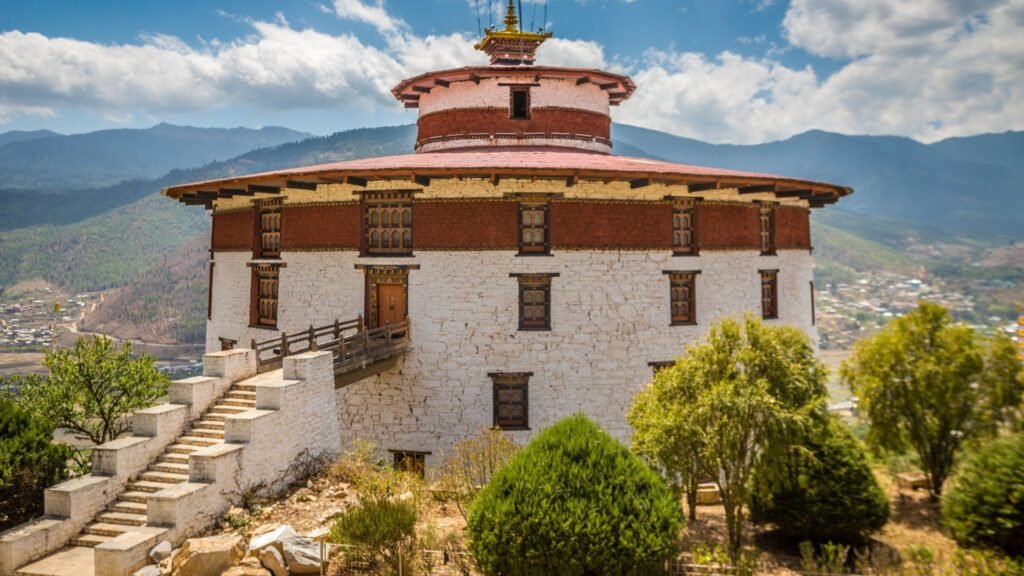
This philosophy is closely connected to Bhutan’s commitment to protecting its natural environment. The World Bank notes that Bhutan has made significant economic and development progress while preserving its unique natural heritage. Forests cover more than 70% of Bhutan, and the country has earned recognition as the world’s first carbon-negative country and a global leader in forest and biodiversity conservation. This reflects Bhutan’s broader belief that economic development and environmental protection should work together rather than compete with each other.
Bhutan’s idea of happiness is not simply about feeling happy or achieving a position in an international happiness ranking. Instead, the country uses the GNH framework to examine a broad range of conditions that contribute to well-being, including health, education, time use, living standards, psychological well-being, cultural resilience, community vitality, effective governance, and ecological sustainability.
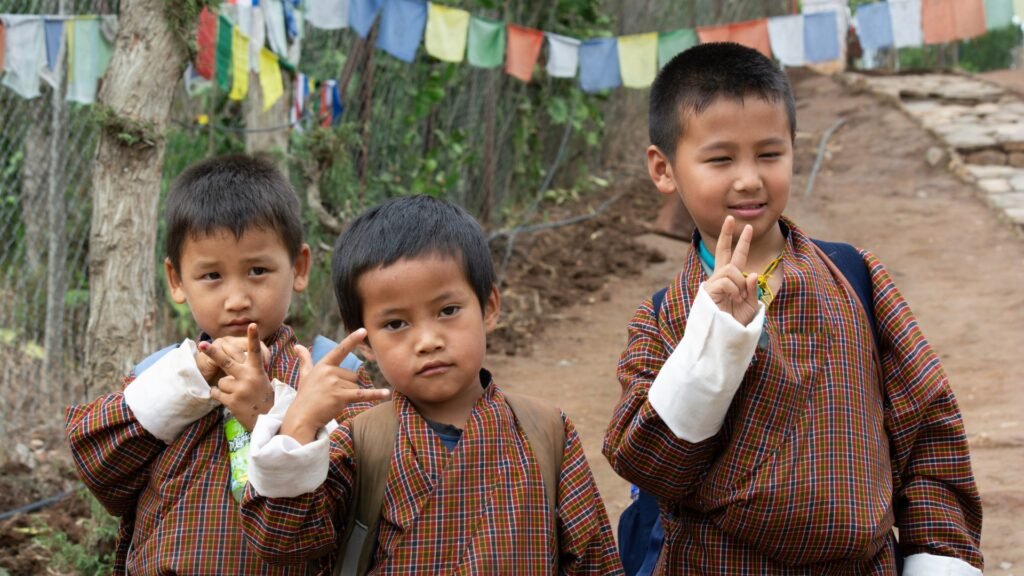
It is also important to clarify the phrase “happiest country in the world.” The World Happiness Report does not currently rank Bhutan because the report does not have recent Gallup life-evaluation data for the country. Bhutan and the World Happiness Report also measure well-being differently: Bhutan uses its own multidimensional GNH framework, while the World Happiness Report primarily compares countries using people’s self-reported life evaluations and related explanatory factors.
Bhutan conducted its latest nationwide GNH survey in 2022 among 11,052 people across all 20 districts and recorded a GNH Index of 0.781, up from 0.743 in 2010 and 0.756 in 2015. The survey classified 48.1% of people aged 15 and above as “Deeply Happy” or “Extensively Happy.”
Bhutan’s approach does not mean that every citizen is happy or that the country has no social or economic challenges. The World Bank also highlights challenges, including climate change risks, economic diversification, and the need to create more quality jobs. Instead, Bhutan’s distinctive approach is about finding a balance between economic development, environmental conservation, cultural preservation, good governance, and human well-being.
This is what makes Bhutan so internationally fascinating. It is more than just a nation that believes happiness is important; it has created a national framework for analyzing what makes a life meaningful, balanced, and sustainable.
What Is Gross National Happiness (GNH)?
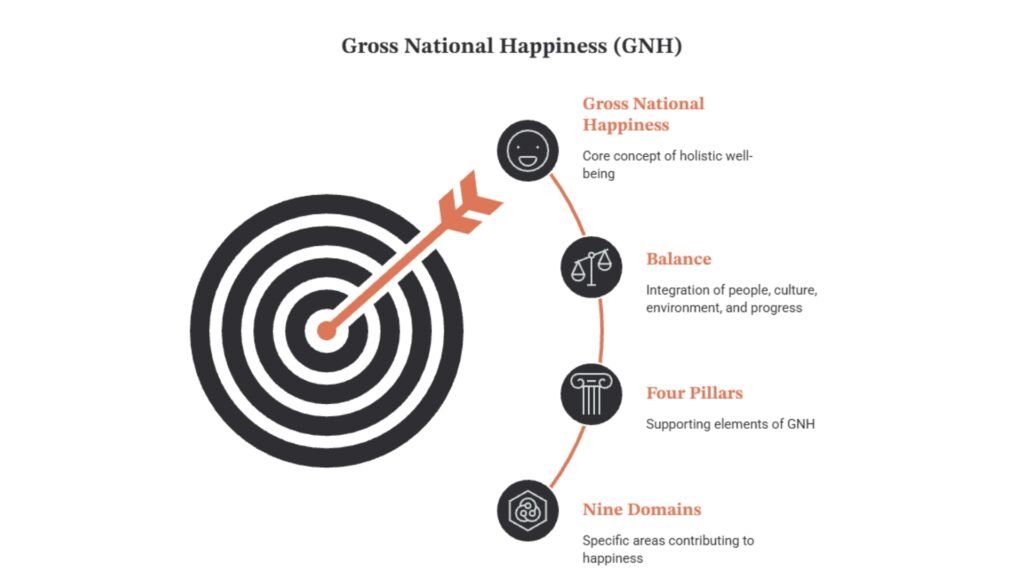
Bhutan uses Gross National Happiness (GNH) as a unique development philosophy to measure national progress through people’s overall well-being rather than economic growth alone. Bhutan’s Fourth King, Jigme Singye Wangchuck, introduced GNH in 1972, and the philosophy emphasizes a balance between economic development, environmental conservation, cultural preservation, good governance, and quality of life.
GNH takes a more comprehensive approach to progress than GDP, which mainly gauges economic activity. It considers whether people have adequate health and education, strong communities, cultural connections, a healthy environment, meaningful use of time, and satisfactory living conditions.
Bhutan builds its GNH framework around four pillars and measures it through nine interconnected domains, allowing the country to assess well-being from social, economic, cultural, environmental, and psychological perspectives.
In simple terms, GNH asks whether development is improving people’s overall well-being while protecting Bhutan’s culture, environment, and future generations.
The Four Pillars of Gross National Happiness
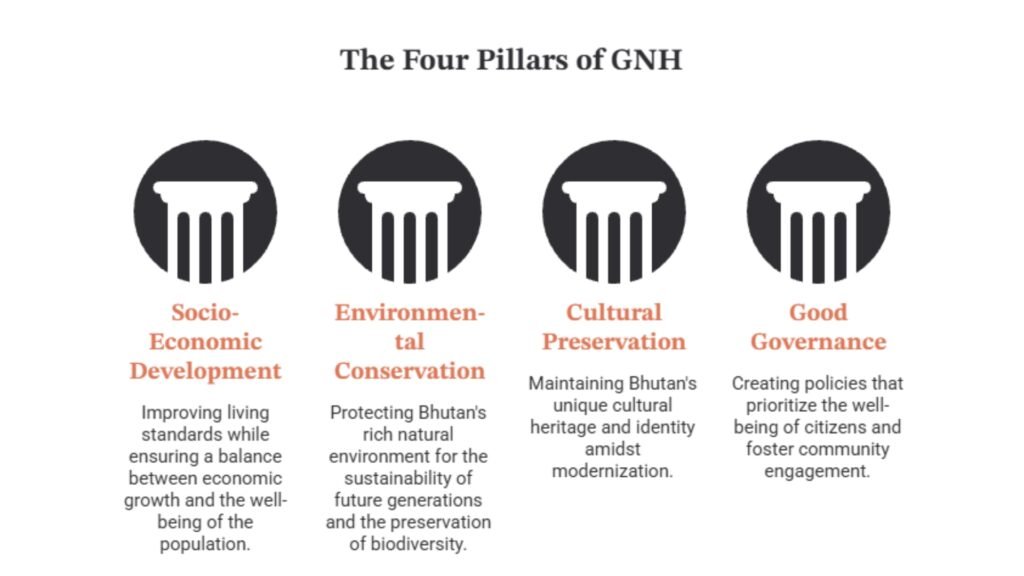
The four pillars form the foundation of Bhutan’s GNH approach and guide national development across economic, environmental, cultural, and governance priorities. They shape the country’s strategies and policies for sustainable socio-economic development, environmental conservation, cultural preservation, and effective governance. Together, these priorities support the well-being and happiness of the Bhutanese people.
- Sustainable and Equitable Socio-Economic Development
Bhutan recognizes the importance of sustainable economic development that improves people’s quality of life without causing social harm or limiting future generations’ ability to meet their needs. The government promotes sustainable and equitable human development by providing free health services and education, improving rural settlements, and developing essential infrastructure to support the country’s economy and ensure that the growth is evenly distributed throughout the country.
- Environmental Conservation
Bhutan’s Constitution requires the country to maintain at least 60% forest cover at all times, while forests currently cover more than 70% of the country. The government also protects national parks, wildlife sanctuaries, and other environmental resources so they can continue providing ecological services and supporting biodiversity.
- Preservation and Promotion of Culture
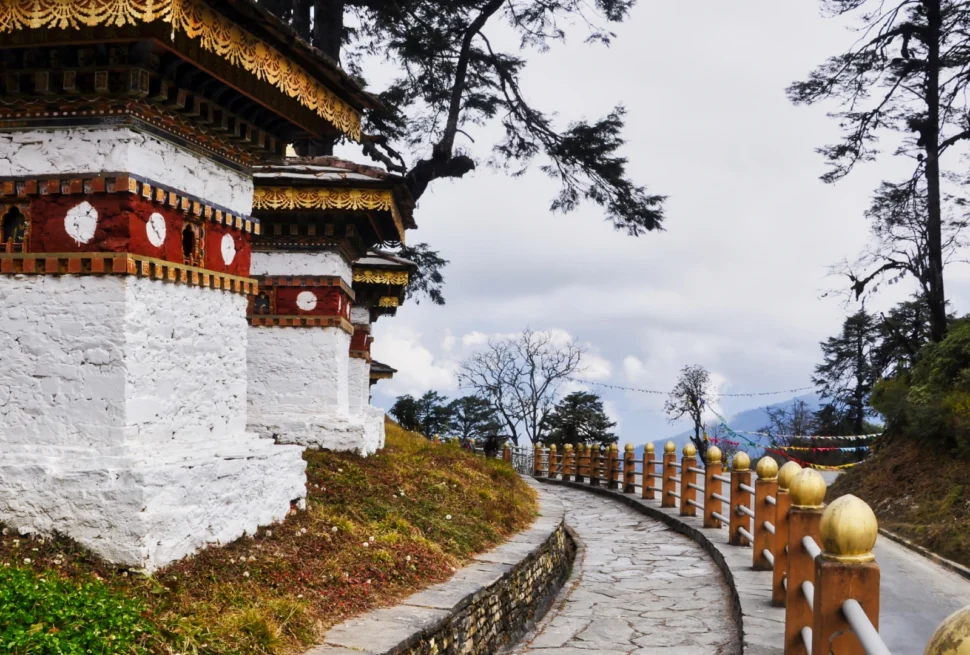
Bhutan actively promotes and preserves its cultural heritage through annual festivals, Tshechus, traditional architecture, language, dress, music, dance, and customs. These traditions strengthen national identity and help Bhutan maintain its cultural heritage while pursuing sustainable development.
- Good Governance
The government respects and promotes good governance that emphasizes the well-being of the country’s people. It develops and implements policies that support sustainable development and happiness at both individual and collective levels. The policies promote active, meaningful, and fair participation and enable Bhutan’s people and communities to make informed decisions for the country’s sustainable development and Gross National Happiness. Government officials use these principles to evaluate policies and determine their impact on the nation’s well-being, prosperity, and happiness.
The Nine Domains of Gross National Happiness
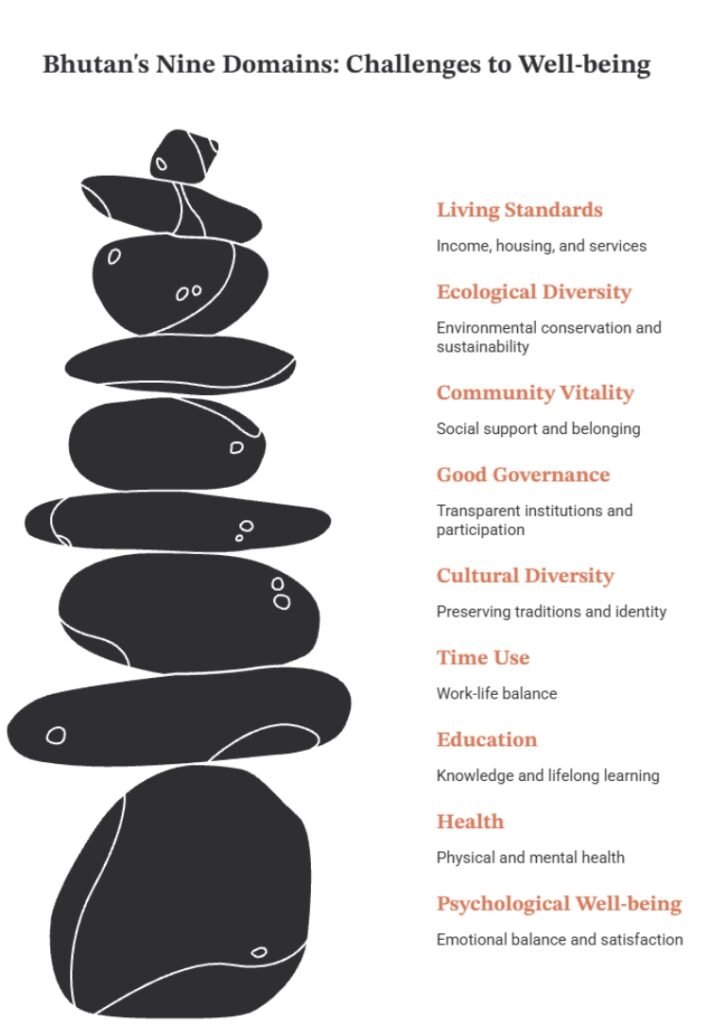
To measure the well-being of its people, Bhutan’s Gross National Happiness (GNH) framework consists of nine interconnected domains. Together, these domains provide a comprehensive picture of national progress by considering not only economic development but also social, cultural, environmental, and psychological well-being.
- Psychological Well-Being
This domain examines how satisfied people feel with their lives, including their emotional well-being, spirituality, and overall happiness. It reflects whether Bhutanese people enjoy a meaningful and balanced life.
- Health
This domain measures physical and mental health, life expectancy, access to healthcare, nutrition, and healthy lifestyles. Good health is considered essential for long-term happiness and well-being.
- Education
This domain evaluates literacy, knowledge, skills, and lifelong learning opportunities. Bhutan views education as a foundation for personal growth, informed decision-making, and stronger communities.
- Time Use
This domain assesses how people balance work, family, leisure, rest, and community activities. A healthy work-life balance is considered an important part of overall happiness.
- Cultural Diversity and Resilience
This domain measures how well Bhutan preserves and promotes its cultural heritage, including traditional dress, language, festivals, customs, and religious practices. Protecting culture helps strengthen national identity and social harmony.
- Good Governance
This domain evaluates the performance of government institutions, public services, transparency, and people’s trust in government. Good governance ensures that development policies improve the well-being of all citizens.
- Community Vitality
This domain measures the strength of family relationships, community support, volunteerism, safety, and social connections. Strong communities help create a sense of belonging, trust, and happiness.
- Ecological Diversity and Resilience
This domain assesses environmental conservation, biodiversity, forest protection, clean air and water, and the sustainable use of natural resources. This domain reflects Bhutan’s commitment to protecting nature for future generations.
- Living Standards
This domain measures people’s material well-being through indicators such as income, housing, employment, and access to basic services. While income is important, it is only one part of overall happiness within the GNH framework.
Together, these nine domains form the foundation of Bhutan’s GNH Index. They help policymakers measure national well-being beyond economic growth and create balanced policies that improve quality of life while protecting Bhutan’s culture, environment, and traditions for future generations.
How Is GNH Different From GDP?
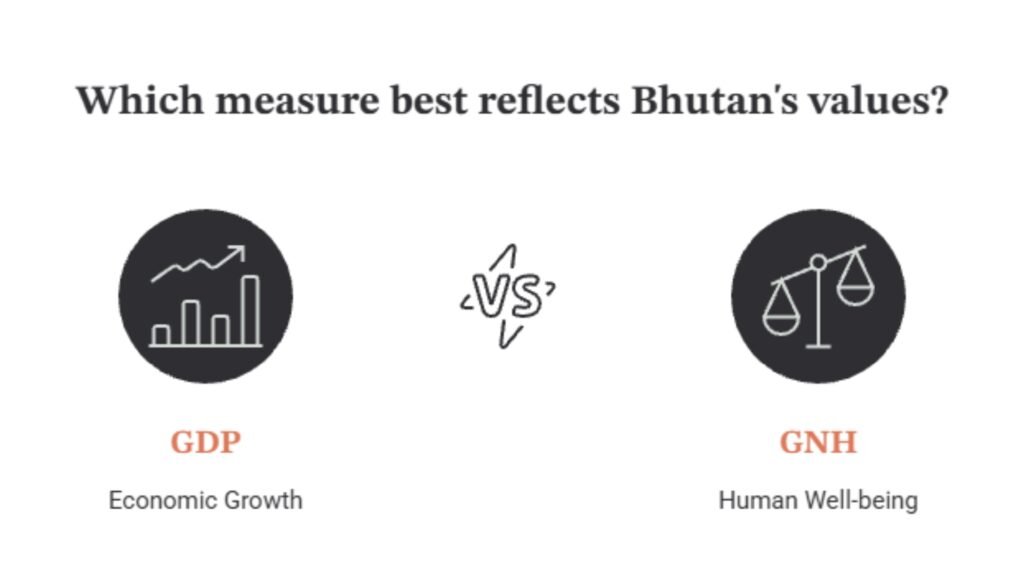
GDP mainly measures the total value of goods and services produced within a country’s economy. GNH asks a broader question: Is life actually getting better for people? A country’s GDP can rise while people still face challenges in healthcare, education, community life, or environmental protection. GNH looks beyond economic output by also considering health, education, culture, the environment, psychological well-being, and community vitality.
Bhutan still values economic growth; it simply does not see it as the only consideration. The country aims to balance economic development with quality of life, cultural preservation, environmental conservation, and social well-being.
Is GNH a Happiness Ranking?
No. This is a common misconception. GNH is not simply a ranking of how happy people feel on any given day. It is a multidimensional framework that assesses the conditions that contribute to well-being, including health, education, community vitality, cultural resilience, effective governance, environmental sustainability, and living standards.
This distinction matters when people call Bhutan “the happiest country.” Bhutan’s reputation comes primarily from its pioneering Gross National Happiness philosophy, rather than from its ranking first in an international happiness league table. The World Happiness Report uses a different methodology, with people’s self-reported life evaluations serving as its primary measure of happiness, while other factors help explain differences in those evaluations.
Why Does Bhutan Measure Happiness?
Bhutan measures the well-being of its citizens through the Gross National Happiness (GNH) Index, a multidimensional national well-being framework. Rather than focusing only on income or economic growth, the GNH Index evaluates happiness across multiple aspects of life, including health, education, culture, governance, environmental sustainability, and community relationships. The 2022 GNH survey covered 11,052 Bhutanese people across all 20 districts (dzongkhags), providing the latest nationwide assessment of happiness and well-being in Bhutan.
Gross National Happiness Index Over the Years
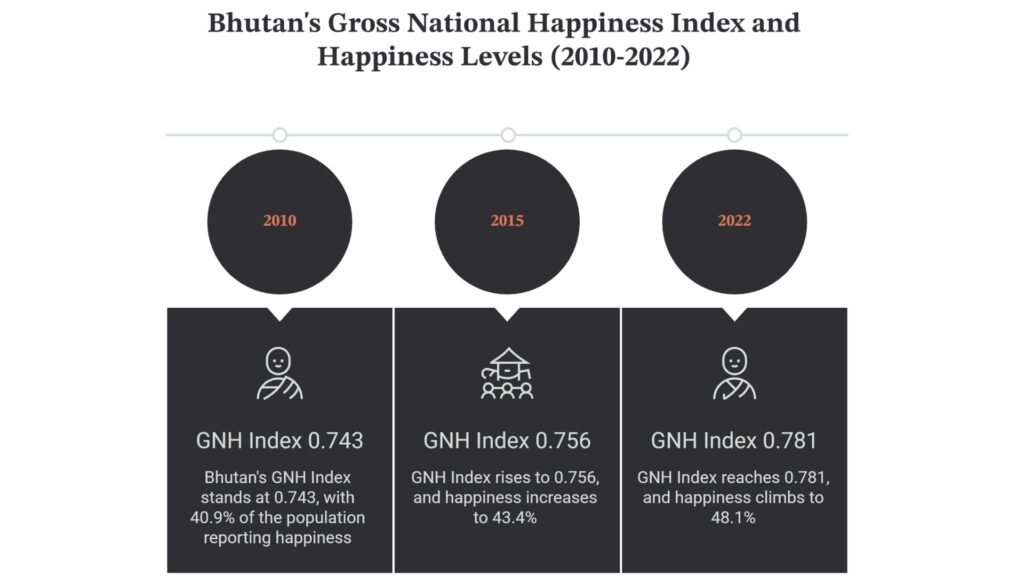
| Survey Year | GNH Index | Deeply or Extensively Happy |
| 2010 | 0.743 | 40.9% |
| 2015 | 0.756 | 43.4% |
| 2022 | 0.781 | 48.1% |
Note: As of 2026, Bhutan’s 2022 Gross National Happiness Survey is still the most recent official nationwide GNH survey published by the Centre for Bhutan & Gross National Happiness Studies.
Happiness Categories in Bhutan (2022)
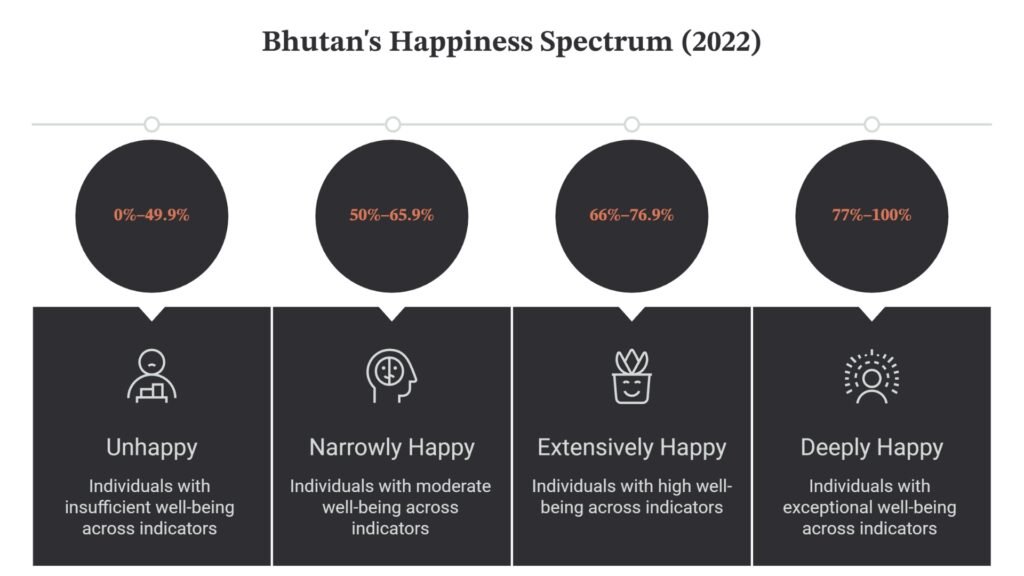
The 2022 GNH Index classified Bhutanese people into four categories based on their overall sufficiency across the GNH indicators.
| Category | Sufficiency Threshold | % of Population |
| Deeply Happy | 77% – 100% of weighted indicators | 9.5% |
| Extensively Happy | 66% – 76.9% of weighted indicators | 38.6% |
| Narrowly Happy | 50% – 65.9% of weighted indicators | 45.5% |
| Unhappy | 0% – 49.9% of weighted indicators | 6.4% |
Together, the Deeply Happy and Extensively Happy groups represented 48.1% of Bhutanese people aged 15 and above in the 2022 survey. As of August 2026, the 2022 survey remains Bhutan’s latest official GNH Index.
How Is Happiness Measured in Bhutan?
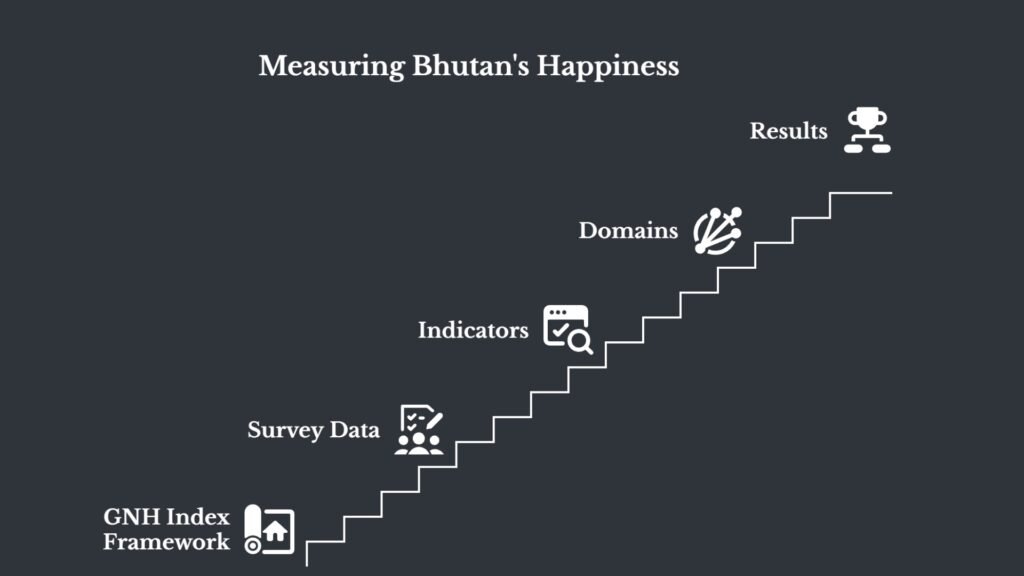
Bhutan measures national well-being through the Gross National Happiness (GNH) Index, which looks beyond income and economic growth. The 2022 GNH Survey assessed well-being across nine domains and 33 indicators, providing a broader picture of people’s quality of life.
- Survey coverage: 11,052 people were surveyed across all 20 districts (dzongkhags) of Bhutan.
- GNH Index: Bhutan’s GNH score rose from 0.743 in 2010 to 0.756 in 2015 and 0.781 in 2022, showing steady growth in the country’s measured well-being.
- Deeply or Extensively Happy: The 2022 survey classified 48.1% of people aged 15 and above as “Deeply Happy” or “Extensively Happy.”
- Unhappy category: The 2022 survey classified 6.4% of respondents as “Unhappy.”
- Income and happiness: 29.2% of people in the lowest income group were classified as happy, illustrating that well-being is not determined by income alone.
- What GNH measures: The framework covers 9 domains and 33 indicators, including psychological well-being, health, education, time use, cultural diversity, effective governance, community vitality, ecological diversity, and living standards.
What Makes Bhutan One of the Happiest Countries?
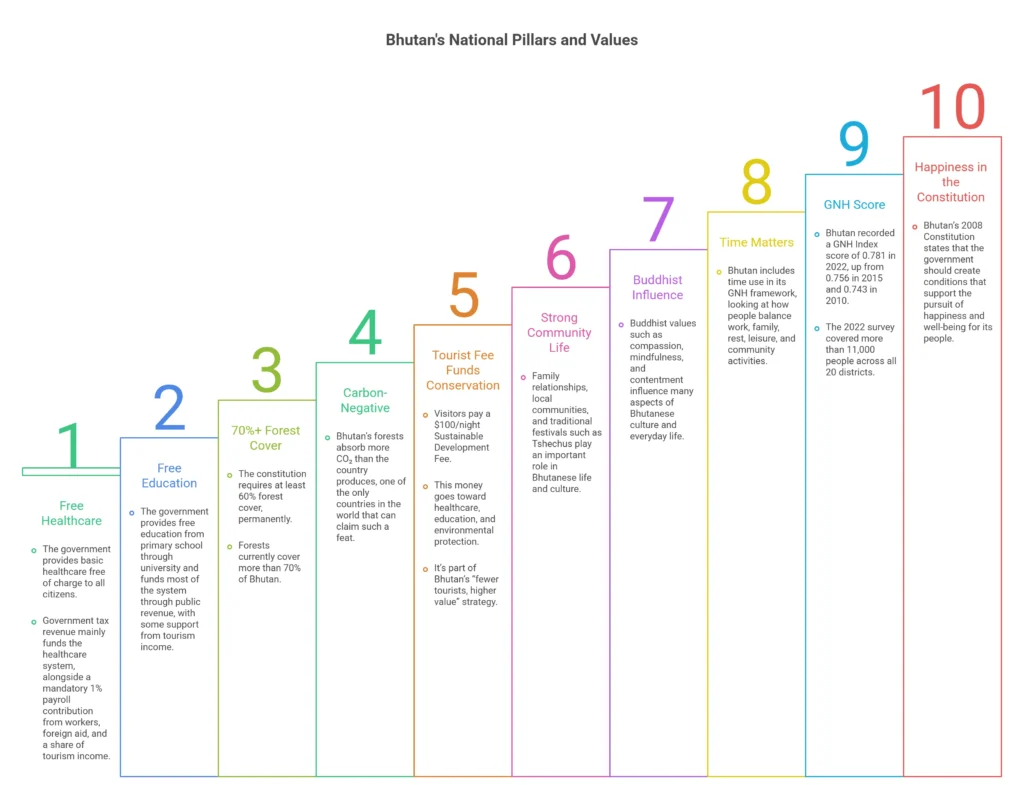
Bhutan’s approach to development goes beyond economic growth. It focuses on health, education, environment, culture, and community. Here’s what backs that up:
- Free Healthcare: The government provides basic healthcare free of charge to all citizens. Government tax revenue mainly funds the healthcare system, alongside a mandatory 1% payroll contribution from workers, foreign aid, and a share of tourism income.
- Free Education: The government provides free education from primary school through university and funds most of the system through public revenue, with some support from tourism income.
- 70%+ Forest Cover: The constitution requires at least 60% forest cover, permanently. Forests currently cover more than 70% of Bhutan.
- Carbon-Negative: Bhutan’s forests absorb more CO₂ than the country produces, one of the only countries in the world that can claim such a feat.
- Tourist Fee Funds Conservation: Visitors pay a $100/night Sustainable Development Fee. This money goes toward healthcare, education, and environmental protection. It’s part of Bhutan’s “fewer tourists, higher value” strategy.
- Strong Community Life: Family relationships, local communities, and traditional festivals such as Tshechus play an important role in Bhutanese life and culture.
- Buddhist Influence: Buddhist values such as compassion, mindfulness, and contentment influence many aspects of Bhutanese culture and everyday life.
- Time Matters: Bhutan includes time use in its GNH framework, looking at how people balance work, family, rest, leisure, and community activities.
- GNH Score: Bhutan recorded a GNH Index score of 0.781 in 2022, up from 0.756 in 2015 and 0.743 in 2010. The 2022 survey covered more than 11,000 people across all 20 districts.
- Happiness in the Constitution: Bhutan’s 2008 Constitution states that the government should create conditions that support the pursuit of happiness and well-being for its people.
Is Bhutan the Happiest Country, or Is That a Myth?
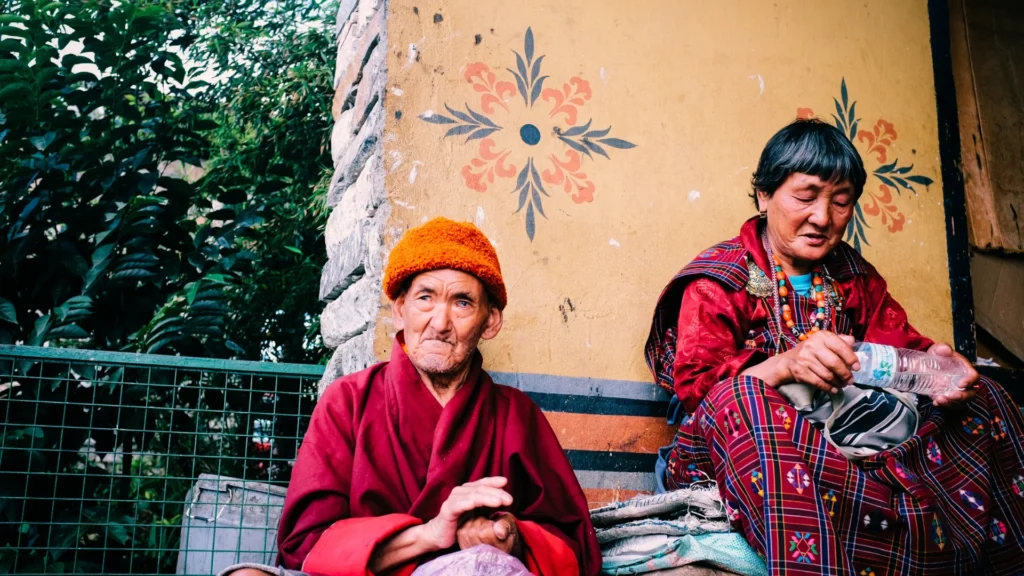
Bhutan is often called the “Happiest Country in the World,” but the claim depends on how happiness is measured. Bhutan does not measure national progress through economic growth alone. Instead, it uses Gross National Happiness (GNH), a broader framework that considers health, education, environmental protection, cultural preservation, good governance, community life, and overall well-being.
The World Happiness Report uses a different approach. It primarily measures how people evaluate their own lives, asking them to rate their lives on a scale from the worst possible to the best possible. The report also examines factors such as income, social support, healthy life expectancy, freedom, generosity, and perceptions of corruption to help explain differences in life evaluations between countries.
Bhutan isn’t currently ranked in the World Happiness Report at all, since Gallup hasn’t surveyed the country since 2015, so there’s no recent data to include. But there’s some irony here too, because Bhutan is actually the reason this report exists in the first place.
Back in 2011, it was Bhutan that pushed for a UN resolution putting happiness on the global agenda, which is what led to the World Happiness Report being created a year later.
Gross National Happiness vs World Happiness Report
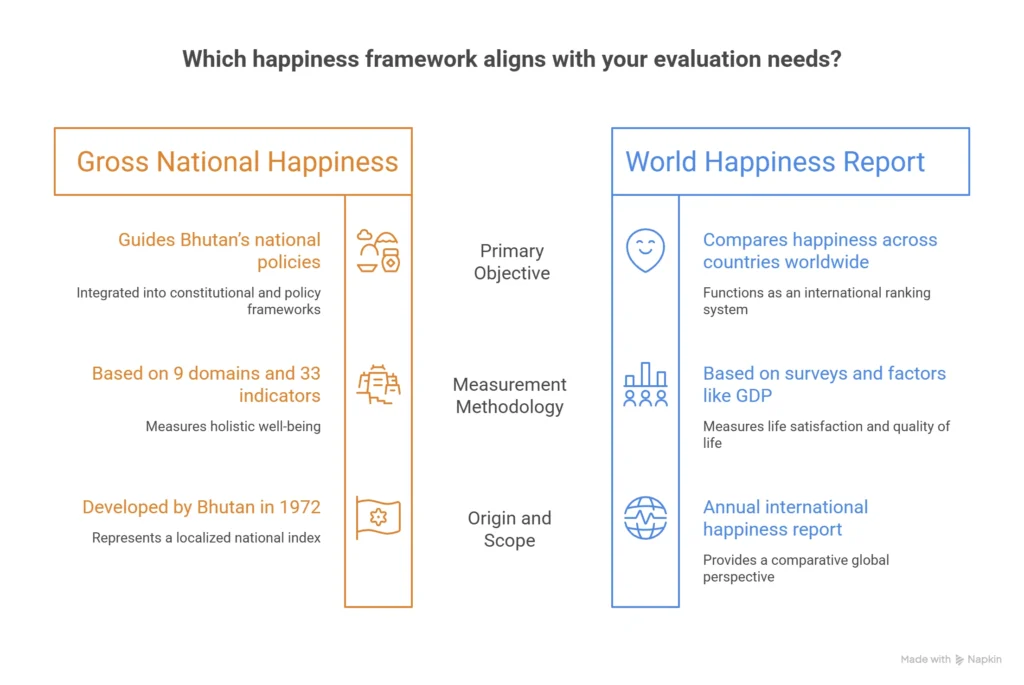
| Gross National Happiness (Bhutan) | World Happiness Report |
| Developed by Bhutan in 1972 | Annual international happiness report |
| Measures holistic well-being | Measures life satisfaction and quality of life |
| Based on 9 domains and 33 indicators | Based on surveys and factors like GDP, social support, life expectancy, freedom, generosity, and corruption |
| Used to guide Bhutan’s national policies | Compares happiness across countries worldwide |
| Reflected in Bhutan’s constitutional and policy framework | International ranking system |
| Latest GNH Index (2022): 0.781 | Finland ranked #1 in 2026 |
Why Is Bhutan Still Called the Happiest Country?
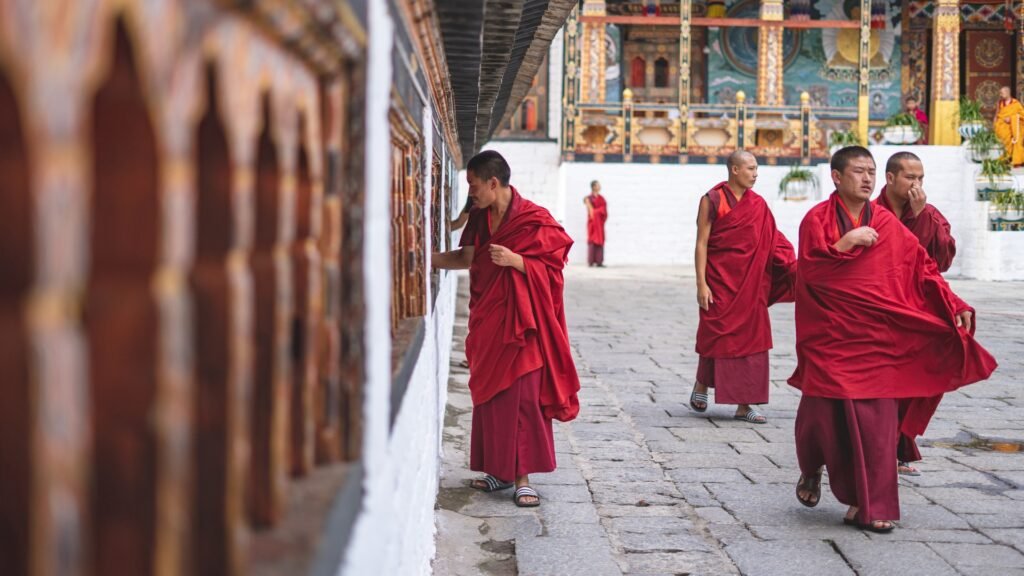
Bhutan earned its reputation by placing happiness and well-being at the center of its national development philosophy. Since introducing Gross National Happiness in 1972, the country has helped inspire broader discussions about measuring progress beyond economic growth.
Although Finland ranks highest in the 2026 World Happiness Report, Bhutan remains notable for its commitment to balancing economic development, environmental protection, cultural preservation, good governance, and community well-being.
In short, Finland ranks highest in the World Happiness Report, while Bhutan is internationally renowned for its Gross National Happiness philosophy. This distinction explains why Bhutan continues to be widely known as the “Land of Gross National Happiness” and one of the world’s best-known examples of a development approach centered on well-being.
Can Visitors Experience Bhutan’s Happiness?
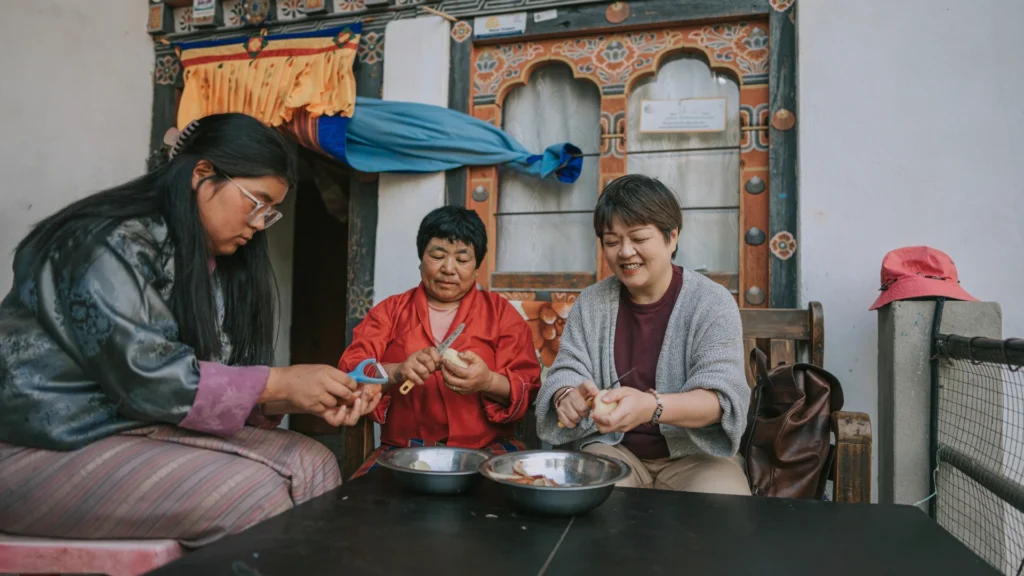
Yes, travelers can experience Bhutan’s unique approach to happiness by immersing themselves in the country’s peaceful landscapes, living traditions, spiritual practices, and strong sense of community. Bhutan offers experiences that connect visitors with nature, culture, and a slower pace of life inspired by the principles of Gross National Happiness (GNH).
From ancient monasteries and sacred festivals to quiet mountain villages and Himalayan trails, visitors can experience many of the cultural, environmental, and spiritual values associated with Bhutan’s approach to well-being.
- Cultural Tours: Explore ancient monasteries, dzongs, traditional villages, local markets, and Bhutanese customs.
- Traditional Festivals: Experience colorful Tshechus, sacred mask dances, traditional music, prayers, and community celebrations.
- Tiger’s Nest: Hike to the iconic Paro Taktsang, enjoy Himalayan views, and experience its peaceful spiritual atmosphere.
- Bumthang: Discover ancient temples, monasteries, traditional villages, farming communities, and peaceful Himalayan landscapes.
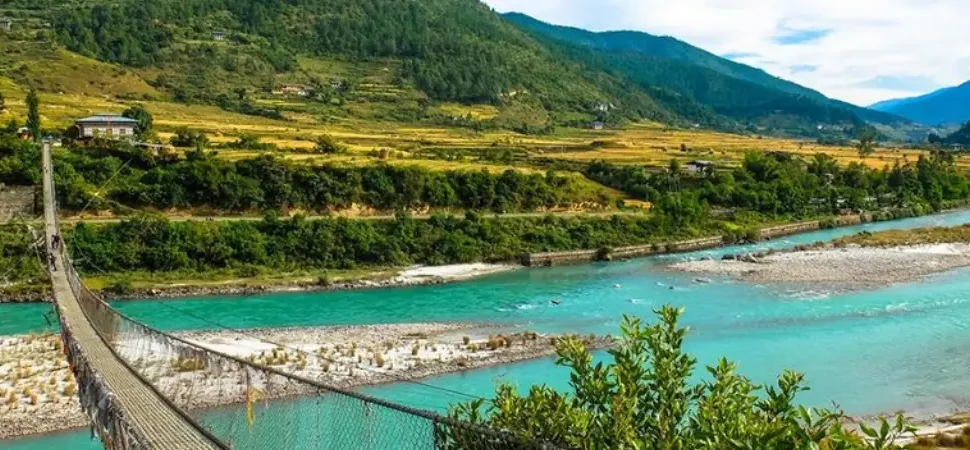
- Punakha: Visit the historic Punakha Dzong, walk through rice fields, explore traditional villages, and enjoy the beautiful valley.
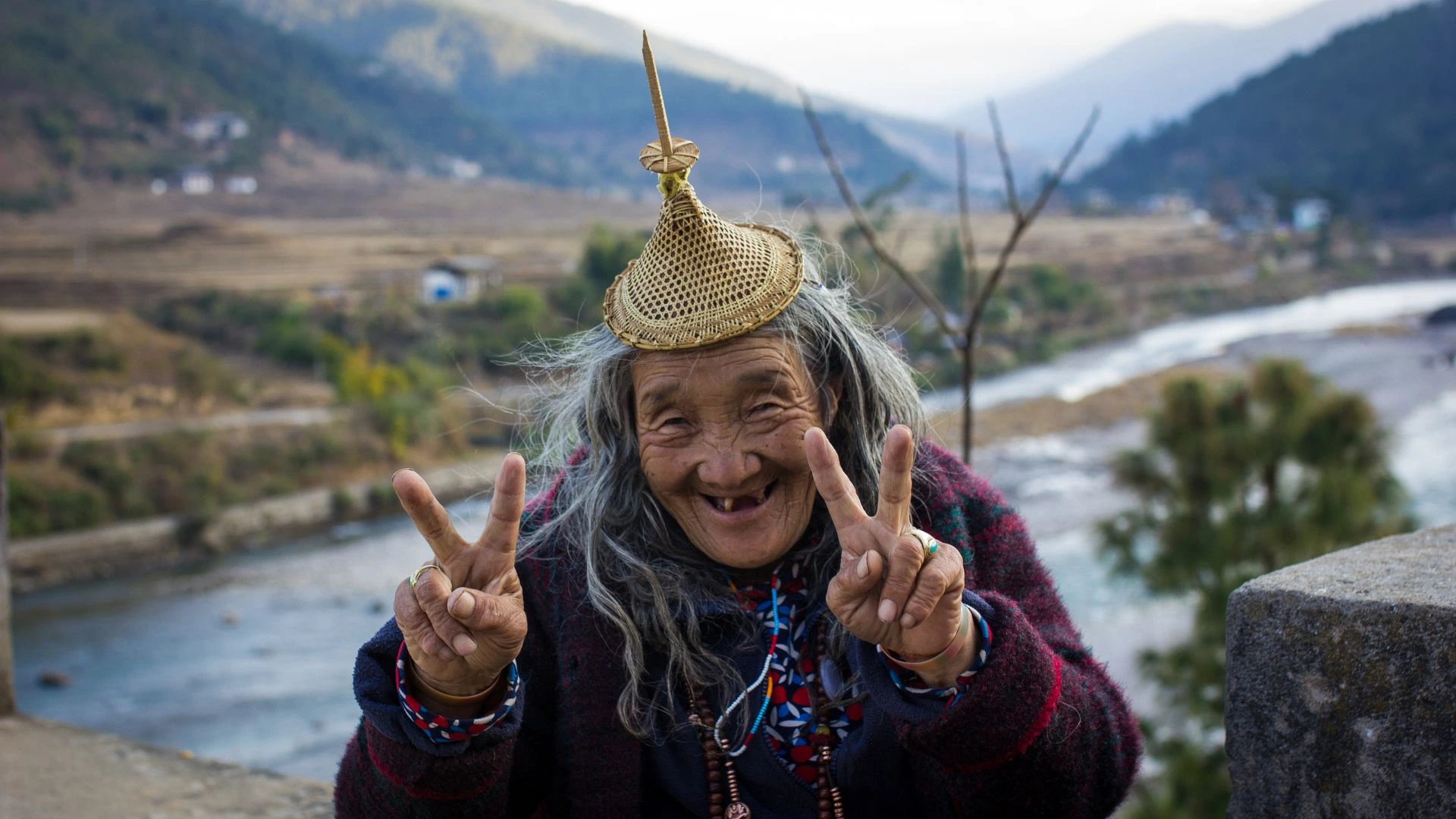
- Village Life: Stay in traditional homestays, share meals with local families, learn about farming, and experience Bhutanese hospitality.
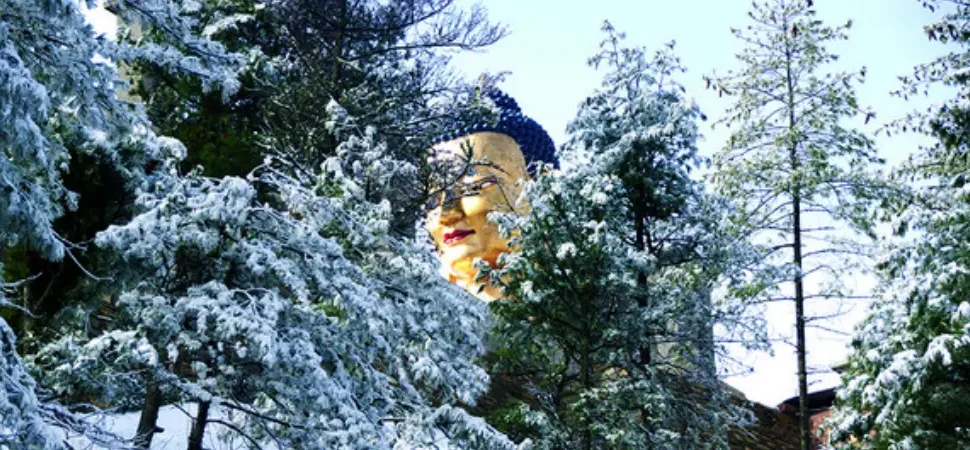
- Monasteries and Spiritual Sites: Visit sacred monasteries, observe Buddhist ceremonies, admire traditional architecture, and experience peaceful surroundings.
- Nature and Himalayan Landscapes: Explore forests, valleys, rivers, mountain trails, and Bhutan’s pristine natural environment.
- A Slower Way of Life: Connect with local people, enjoy meaningful cultural experiences, spend time in nature, and discover Bhutan’s unique perspective on happiness.
Interesting Facts About Happiness in Bhutan
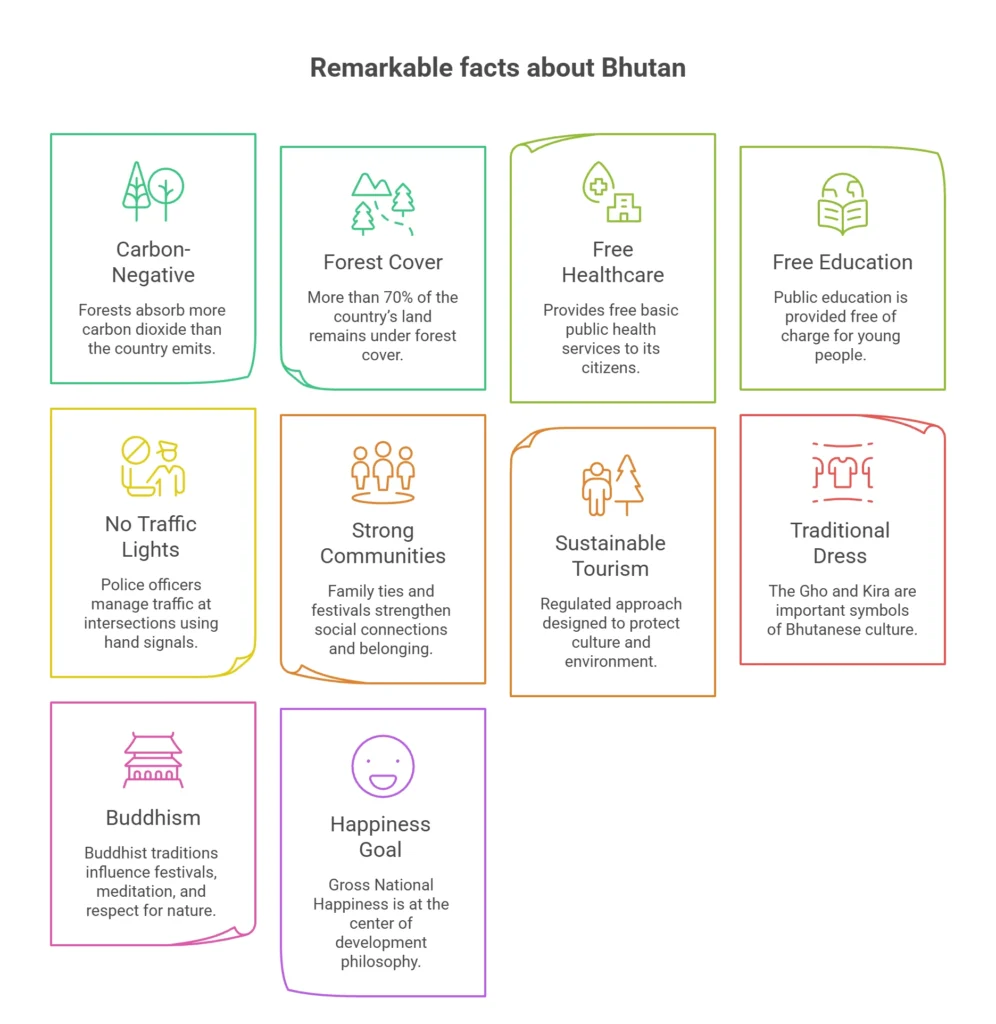
Bhutan’s idea of happiness closely connects to its environment, culture, communities, and way of life. Here are some remarkable facts:
- Carbon-Negative: Bhutan is widely recognized as a carbon-negative country because its forests absorb more carbon dioxide than the country emits.
- More Than 70% Forest Cover: Bhutan’s Constitution requires at least 60% forest cover for all time, while more than 70% of the country’s land remains under forest cover.
- Free Healthcare: Bhutan provides free basic public health services to its citizens through its healthcare system.
- Free Education: Public education is provided free of charge, ensuring access for children and young people.
- No Traffic Lights in Thimphu: Bhutan’s capital does not use conventional traffic lights. Police officers have traditionally managed traffic at busy intersections using hand signals.
- Strong Communities: Close family ties, community activities, festivals, and religious gatherings help strengthen social connections and a sense of belonging.
- Sustainable Tourism: Bhutan follows a regulated, sustainability-focused tourism approach designed to protect its cultural heritage and natural environment.
- Traditional Dress: The Gho and Kira remain important symbols of Bhutanese culture and are commonly worn in schools, government offices, and official settings.
- Buddhism and Daily Life: Buddhist traditions influence many aspects of life in Bhutan, including festivals, monasteries, meditation, compassion, and respect for nature.
- Happiness as a Development Goal: Bhutan places Gross National Happiness (GNH) at the center of its development philosophy, considering people’s well-being alongside economic progress.
Frequently Asked Questions
1. Why do people call Bhutan the happiest country in the world?
People often call Bhutan one of the happiest countries because of its distinctive approach to measuring progress. Instead of focusing mainly on economic growth, Bhutan uses Gross National Happiness (GNH), a framework that considers well-being, cultural preservation, environmental protection, and effective governance alongside economic development. The idea is simple: real progress should improve people’s quality of life, not just economic indicators.
2. Is Bhutan the Happiest Country in the World?
Not officially. The World Happiness Report does not rank Bhutan as #1; in fact, Bhutan is not currently included in the ranking because recent Gallup life-evaluation data are unavailable. Bhutan is internationally known instead for pioneering Gross National Happiness (GNH), which has shaped its global reputation for putting well-being at the center of development.
3. What is Gross National Happiness (GNH) in Bhutan?
GNH is Bhutan’s national development philosophy, introduced by the country’s fourth king, Jigme Singye Wangchuck, in 1972. It rests on four pillars: sustainable and equitable socio-economic development, environmental conservation, preservation and promotion of culture, and effective governance. These principles help guide Bhutan’s national policies and development decisions.
4. How does Bhutan measure happiness?
Bhutan uses the GNH Index to assess well-being across multiple dimensions of life. It looks beyond income to areas such as health, education, psychological well-being, time use, cultural participation, community vitality, environmental conditions, governance, and living standards. The goal is to understand whether people’s overall well-being is improving, not simply whether the economy is growing.
5. Why is Bhutan famous for its happiness philosophy?
Bhutan became famous because it developed a national approach that places people’s well-being alongside economic development. Its philosophy is that economic growth should contribute to a high quality of life while protecting Bhutan’s natural environment, cultural heritage, and social values.
6. Why are Bhutanese people often associated with happiness?
Bhutanese people often associate happiness with factors such as strong family and community relationships, Buddhist traditions, cultural continuity, and a close relationship with nature. These values, together with the country’s emphasis on well-being, contribute to Bhutan’s distinctive reputation for a peaceful and balanced way of life.
7. What is the main idea behind Bhutan’s happiness philosophy?
The central idea is that development should create a balanced and meaningful life. Bhutan seeks to advance economic development, environmental protection, cultural preservation, effective governance, and personal well-being together rather than allowing one to come at the expense of the others.
8. Can tourists experience Bhutan’s happiness?
Yes. Visitors can experience aspects of Bhutan’s culture and philosophy through cultural tours, traditional festivals, village experiences, monastery visits, and nature-based activities. Popular experiences include visiting Paro Taktsang (Tiger’s Nest), attending colorful Tshechu festivals, exploring Bumthang, and discovering the peaceful valleys of Punakha and Gangtey.
9. What makes Bhutan different from other travel destinations?
Bhutan follows a regulated, sustainability-focused tourism model designed to protect its environment and cultural heritage. Rather than pursuing mass tourism, the country emphasizes meaningful travel experiences that allow visitors to connect with Bhutanese culture, communities, nature, and traditions.
10. Does Bhutan have a high quality of life?
Bhutan has made significant progress in areas such as education, healthcare, environmental conservation, and infrastructure. However, the country also faces challenges, including employment, economic diversification, and balancing modernization with the preservation of traditional values.
11. Why do people feel happy when visiting Bhutan?
Many travelers find Bhutan’s quiet mountain landscapes, spiritual atmosphere, welcoming communities, traditional culture, and strong connection with nature appealing. The country’s slower pace and emphasis on meaningful experiences can allow visitors to relax, reconnect with nature, and experience a different perspective on well-being.
12. Is Bhutan a particularly appealing destination for a peaceful holiday?
Yes. Bhutan is an excellent destination for travelers seeking a peaceful and meaningful holiday. Himalayan scenery, ancient monasteries, meditation experiences, traditional villages, and colorful festivals offer opportunities to slow down, explore local culture, and experience Bhutan’s distinctive way of life.
13. What are the best places to experience Bhutan’s happiness?
Paro is known for Tiger’s Nest and its rich cultural heritage; Thimphu offers a blend of traditional Bhutanese culture and modern life; Punakha is renowned for its beautiful dzong and peaceful valleys; Bumthang is regarded as Bhutan’s spiritual heartland; and Gangtey Valley offers scenic landscapes, traditional villages, and a tranquil atmosphere.
Conclusion
Bhutan is known as the “Land of Gross National Happiness” because it measures progress through more than economic growth. By balancing well-being, culture, nature, community, and sustainable development, Bhutan offers a unique perspective on what it means to live well. Although it is not ranked #1 in the World Happiness Report, its GNH philosophy continues to make Bhutan one of the world’s most fascinating destinations.
Ready to experience Bhutan for yourself? Plan your Bhutan journey today and discover the Land of Gross National Happiness.